News
Tshwane first in line as R500 million drive targets South Africa’s water losses
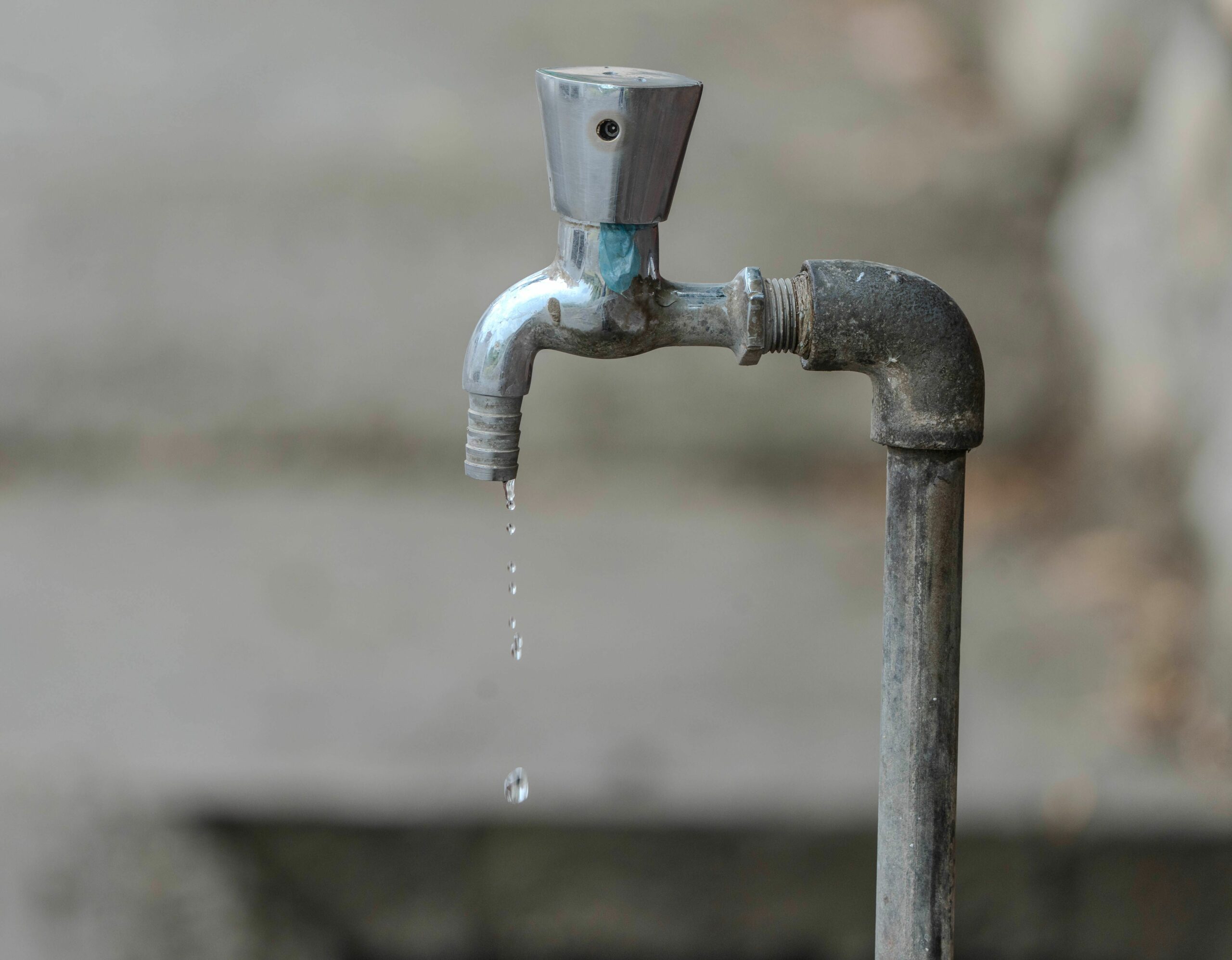
Tshwane is set to become the first municipality targeted under a new R500 million programme aimed at tackling one of South Africa’s biggest water challenges: the amount of treated water that disappears before it reaches paying customers.
The five-year initiative will run from 2026 to 2031 and bring public and private sector funding together to reduce water losses and improve municipal infrastructure.
Half of the R500 million is expected to come from private investment, while public sector partners will match the funding.
For residents, the focus is ultimately on a basic but increasingly important question: how much of the water entering the system actually reaches homes, businesses and industry?
Almost half of treated water is lost
South Africa is estimated to lose about 47% of its treated water through leaks and ageing infrastructure.
These losses are generally referred to as non-revenue water, meaning water that has been treated and supplied into the system but does not generate revenue for the municipality.
Some of that water is lost through leaking pipes and infrastructure failures, while other losses can result from problems with water management, monitoring and accountability.
The scale of the problem makes infrastructure maintenance particularly important for municipalities already under pressure to provide reliable services.
Why Tshwane is the starting point
The City of Tshwane will be the programme’s first implementation site.
The initial work will focus on practical interventions designed to identify and reduce losses within the water network.
One of the key measures will be pressure management, which can help reduce leaks by controlling the pressure placed on ageing water infrastructure.
The programme will also introduce infrastructure intended to improve the monitoring and accountability of industrial effluent.
The idea is to address problems within the system rather than simply responding when water infrastructure fails.
Public and private sectors join forces
The initiative brings together a range of organisations, including the Department of Water and Sanitation, the World Bank Group’s 2030 Water Resources Group, Rand Water Services, the Global Water Challenge, the City of Tshwane and Coca-Cola.
The partnership is designed around a public-private model, with R250 million in private investment expected to be matched by public sector partners.
Water and Sanitation Minister Pemmy Majodina said reducing non-revenue water was important to maintaining sustainable access to water for communities and industry while supporting future economic growth.
World Bank Group senior water specialist Lubabalo Luyaba said the programme also demonstrates how alternative approaches to delivering municipal services could improve infrastructure performance and municipalities’ financial sustainability.
What it could mean for Tshwane
For Tshwane, the programme comes as water infrastructure remains a major part of the conversation around municipal service delivery.
Reducing leaks can have a benefit beyond simply saving water.
Every litre that is treated but lost before reaching a customer represents resources spent on purification and distribution without the municipality recovering the corresponding revenue.
Improving the network could therefore help address both physical water losses and the financial pressures associated with running municipal water systems.
The programme’s success will ultimately depend on whether the interventions can translate into measurable reductions in water losses and better-performing infrastructure.
Programme could expand beyond Tshwane
Tshwane is only the starting point.
The partners involved in the programme expect the initiative to expand to other municipalities over time, potentially taking the infrastructure recovery model beyond Gauteng’s capital.
That could make the Tshwane rollout an important test case for how South Africa tackles water losses at municipal level.
With nearly half of treated water estimated to be lost nationally, the challenge extends far beyond fixing individual leaks.
The five-year programme will therefore be watched closely for evidence that public-private investment can help municipalities recover water, strengthen infrastructure and make better use of the resources already entering their networks.
Follow Joburg ETC on Facebook, Twitter, TikTok and Instagram
For more News in Johannesburg, visit joburgetc.com
Source: iol.co.za