News
RAF financial crisis raises concerns over delayed claims
The Road Accident Fund (RAF) is facing a serious financial squeeze, with Parliament’s Portfolio Committee on Transport warning that the entity’s cash-flow problems could continue to affect people waiting for compensation after road accidents.
The committee heard that the RAF is paying out around R25 billion every month, while receiving only about R4 billion in revenue. The widening gap has raised fresh questions about how the fund can remain financially sustainable while dealing with a growing claims burden.
For people who depend on RAF compensation following serious road crashes, the numbers are more than just figures on a balance sheet. They can translate into long waits for claims to be processed and paid.
A growing gap between money in and money out
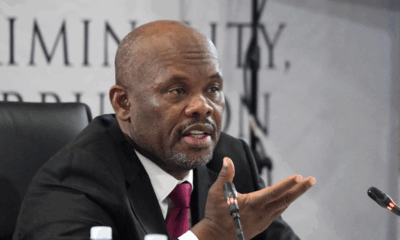
Committee Chairperson Donald Selamolela said the committee welcomed efforts to find a sustainable funding model for the RAF.
He also pointed to the appointment of a permanent CEO as an important step towards stabilising the organisation.
The concerns were raised during a briefing led by Transport Minister Barbara Creecy, whose departmental delegation included the RAF, SANRAL and the Airports Company South Africa (ACSA).
The briefing formed part of Parliament’s budget review process, with the performance and financial health of transport entities under scrutiny.
The committee was told that the RAF was unlikely to quickly recover from its current financial position, contributing to lengthy delays in settling claims.
The fuel levy model is under pressure
One of the bigger questions facing the RAF is how it should be funded in the years ahead.
Creecy said the fund wants to reduce its reliance on the fuel levy, particularly as South Africa sees more electric vehicles on its roads.
That shift raises an important issue: if fewer motorists rely on petrol and diesel, the traditional funding model becomes increasingly difficult to sustain.
The government is therefore looking at alternatives, including a move towards a no-fault system.
Under such a model, compensation would not depend on determining who was responsible for a crash. The idea could also help reduce the costly legal battles that currently form part of the claims process.
Irregular spending adds another concern
The RAF’s financial difficulties are not limited to its cash flow.
Selamolela said the committee was also concerned about irregular expenditure but maintained that Parliament would work with the entity as it attempts to address its problems.
One development welcomed by the committee was the RAF Board’s decision to return to the government-wide accepted GRAP 19 accounting standard.
The entity has also withdrawn from costly litigation against the Auditor-General’s office.
Several interventions are already under way, with the RAF expecting these measures to produce more visible results in the outer years.
Follow Joburg ETC on Facebook, Twitter, TikTok and Instagram
For more News in Johannesburg, visit joburgetc.com
Be the first to know – Join our WhatsApp Channel for content worth tapping into! Click here to join!