News
Matric Class of 2026 signs pledge against cheating ahead of final exams
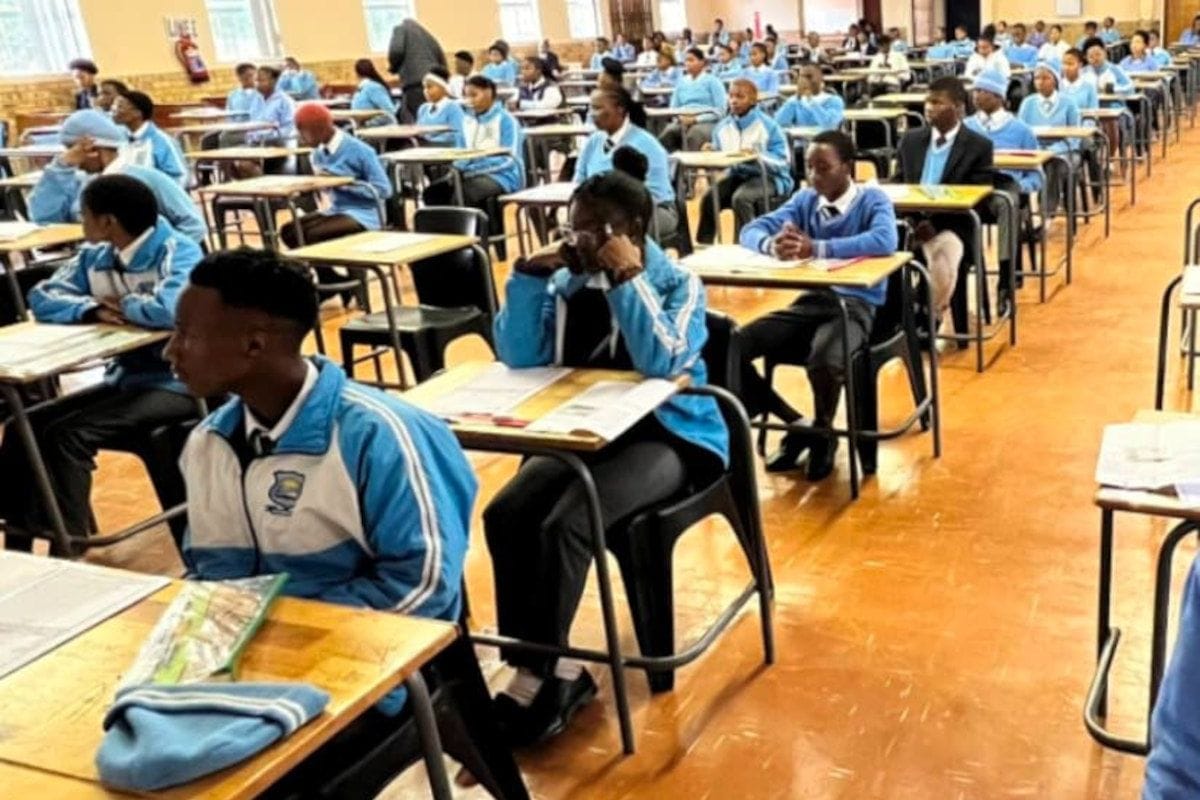
Matric Class of 2026 signs pledge against cheating ahead of final exams
With South Africa’s matric examinations getting underway, learners across the country have made a public commitment to write their final school exams honestly and protect the value of their National Senior Certificate (NSC).
Pledge-signing ceremonies were held at schools across the country last Friday, with education officials and political leaders urging the Class of 2026 to approach the examinations with discipline, integrity and confidence.
The NSC examinations begin on Tuesday, 13 October, marking a significant milestone for learners who have spent years working towards the end of their school careers.
The message from government has been consistent: preparation and hard work must come before shortcuts, and no learner should risk years of effort by engaging in examination misconduct.
Ramaphosa encourages learners to trust their preparation
President Cyril Ramaphosa joined Free State matriculants at a provincial pledge ceremony at the Bluegumbosch Multipurpose Centre in Qwaqwa, where he encouraged candidates to remain focused on their goals.
He acknowledged the work put in by learners, their families, teachers and tutors, emphasising that reaching the final examinations was an achievement in itself.
“Believe in yourselves, for we believe in you. The nation stands behind you. We are proud of you for having reached this milestone. And we wish you every success,” Ramaphosa said.
The President reminded learners that success requires commitment and persistence, particularly when preparing for an important set of examinations.
“No worthwhile goal can be achieved without sacrifice. Without persistence. Without discipline,” he said.
He also praised educators for the time and effort they invest in helping learners prepare, often sacrificing time with their own families to support their students.
Ramaphosa highlighted the achievements of learners from no-fee schools in townships and rural communities, noting their progress as an example of individual determination and efforts to expand educational opportunities.
Free State challenged to reclaim top matric results
Beyond encouraging individual learners, Ramaphosa challenged the Free State to regain its place at the top of the country’s matric pass-rate rankings.
The province recorded South Africa’s highest matric pass rate for three consecutive years, from 2022 to 2024. KwaZulu-Natal ended that run in 2025.
Although the President said he could not favour one province over another, he made it clear that he wanted the Free State to compete strongly for the top position again.
The challenge adds a provincial dimension to this year’s examinations, with learners and educators under pressure to perform well while maintaining the standards expected of the national qualification.
Ultimately, however, each candidate will need to focus on their own preparation, regardless of which province tops the results.
Gwarube warns against cellphones and leaked papers
In the Western Cape, Basic Education Minister Siviwe Gwarube attended the pledge-signing ceremony at Fezeka Secondary School.
Drawing on her own educational experience, she encouraged learners to take responsibility for their futures and make choices that could open doors after matric.
She also delivered a firm warning about examination misconduct, including bringing cellphones or crib notes into examination rooms, using leaked question papers and copying another learner’s work.
“There are no shortcuts to success. A cellphone hidden in a pocket is not preparation. A leaked question paper is not intelligence. Copying another learner’s work is not achievement,” Gwarube said.
Her message focused on protecting the credibility of the NSC certificate. If examination rules are not followed, the fairness and value of the qualification can be undermined for learners who have prepared honestly.
For candidates, this means paying attention not only to their subject knowledge but also to the rules governing examination rooms. Items that are prohibited must be left outside, and learners should rely on their own preparation rather than information obtained through unauthorised channels.
Gauteng learners urged to take responsibility
Deputy Basic Education Minister Reginah Mhaule joined Gauteng Education MEC Lebogang Maile at Riverside High School in Three Rivers, Vereeniging, for another pledge ceremony.
Mhaule said the commitment went beyond simply agreeing to follow examination regulations. It was also about personal responsibility, academic achievement and the future learners hoped to build.
“Today, our learners are making a commitment not only to the examination system, but to themselves and the futures they are working to build,” she said.
The ceremonies across the country are intended to reinforce a shared expectation that candidates should approach the NSC examinations fairly and give their best effort.
They also serve as a reminder that the final school examinations are not only about obtaining marks, but about earning a qualification that universities, employers and other institutions can trust.
When do the 2026 matric exams end?
The 2026 NSC examination period begins on Tuesday, 13 October, with Computer Applications Technology (CAT) Paper 1 practical scheduled for the first session.
The second session on the opening day includes several language papers, covering Hindi, Gujarati, Tamil, Telugu and Urdu at Home Language, First Additional Language and Second Additional Language levels. Hebrew Second Additional Language and German at the relevant language levels are also scheduled.
The examination period is set to conclude on Thursday, 26 November.
Candidates should consult the official examination timetable for the exact dates, starting times and requirements for their individual subjects.
A reminder that the final stretch matters
For the Class of 2026, the coming weeks represent the culmination of years of schooling, revision and preparation.
The pledge ceremonies have placed honesty alongside academic performance as a central message for this examination season. While provincial rankings and pass rates will attract attention once the results are released, each learner’s immediate task is to prepare thoroughly and follow the rules.
The message from the country’s education leadership is clear: learners should enter the examination room confident in the work they have done, avoid shortcuts and protect the integrity of their achievements.
Follow Joburg ETC on Facebook, Twitter, TikTok and Instagram
For more News in Johannesburg, visit joburgetc.com
Source: IOL