News
Global poverty rises to 1.2 billion, UN warns
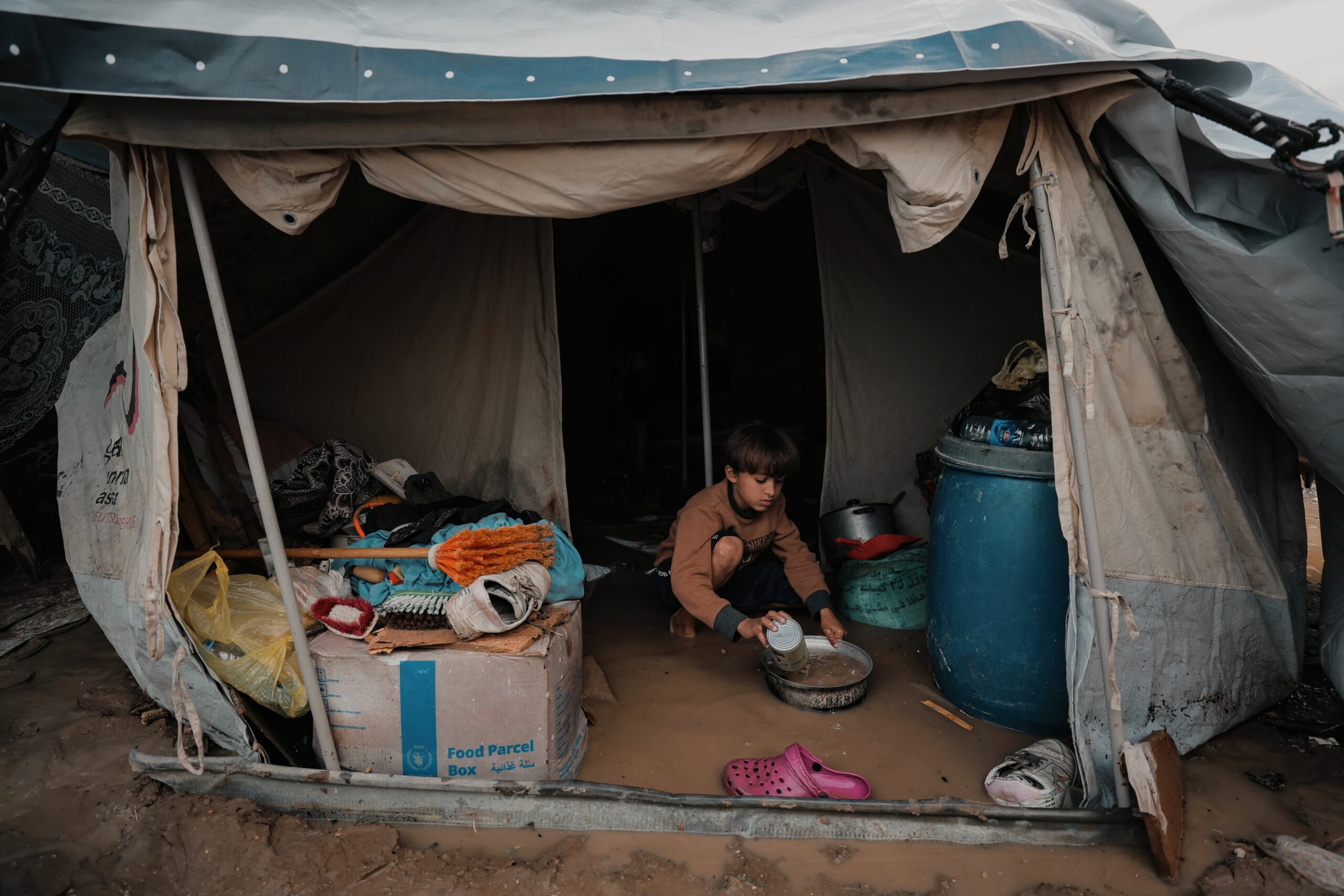
Global poverty has increased for the first time since the launch of a major international poverty index in 2010, with an estimated 1.2 billion people now living in acute poverty, according to a new United Nations report.
The 2026 report by the United Nations Development Programme (UNDP) and the Oxford Poverty and Human Development Initiative found that the number of people affected had risen by 51.5 million compared with the previous year’s figures.
More than half of those experiencing acute poverty are children, highlighting the scale of the challenges facing vulnerable communities worldwide.
UNDP Administrator Alexander De Croo described the findings as a “wake-up call for the world”, warning that millions of people continue to face several forms of deprivation at once.
Hunger, education and basic services remain major challenges
The report looks beyond income when measuring poverty, examining whether people have access to essential services and living conditions.
Its indicators include inadequate housing, poor sanitation, limited access to electricity and clean cooking fuel, food deprivation and barriers to education.
De Croo said these hardships often overlap, leaving people without the basic resources needed to improve their living conditions.
The findings underline how poverty can affect multiple aspects of daily life, from children’s ability to attend school to families’ access to clean water, reliable electricity and adequate food.
Population growth contributes to the increase
Although the number of people living in acute poverty has increased, the UNDP cautioned that population growth is an important factor behind the latest figures.
The report also noted a limitation in the available data. New information was available for only 13 of the 108 developing countries included in the index, meaning the latest findings should be interpreted with that gap in mind.
Despite the overall increase, the report identified progress in several countries over the past 15 years.
Thirty-three countries have halved the proportion of their populations living in multidimensional poverty, including six in sub-Saharan Africa.
China and Vietnam were among the countries highlighted for making rapid progress in reducing poverty.
Africa and South Asia remain heavily affected
Sub-Saharan Africa and South Asia continue to account for the largest shares of people living in acute poverty, according to the report.
South Asia includes the Indian subcontinent, one of the world’s most densely populated regions.
The findings also show how changes in poverty rates can differ from changes in the total number of people affected.
In Egypt, Nepal and Tajikistan, both the poverty rate and the number of people experiencing multidimensional poverty have declined significantly.
Angola and Zambia have also recorded reductions in their poverty rates. However, population growth has more than offset those improvements, resulting in an increase in the number of people living in poverty.
The distinction is important because a country can make progress in reducing the proportion of its population experiencing deprivation while still seeing the overall number of affected people rise.
Progress remains uneven
The latest figures present a mixed picture of global poverty reduction. While several countries have made substantial progress, the overall number of people experiencing acute deprivation has increased.
The UNDP’s findings point to the continuing challenge of ensuring that improvements in poverty rates translate into better living conditions for growing populations.
With children making up more than half of those affected, access to food, education, housing, sanitation and essential services remains central to addressing multidimensional poverty.
Follow Joburg ETC on Facebook, Twitter, TikTok and Instagram
For more News in Johannesburg, visit joburgetc.com
Source: IOL