News
Lamola warns Africa faces a new scramble for critical minerals
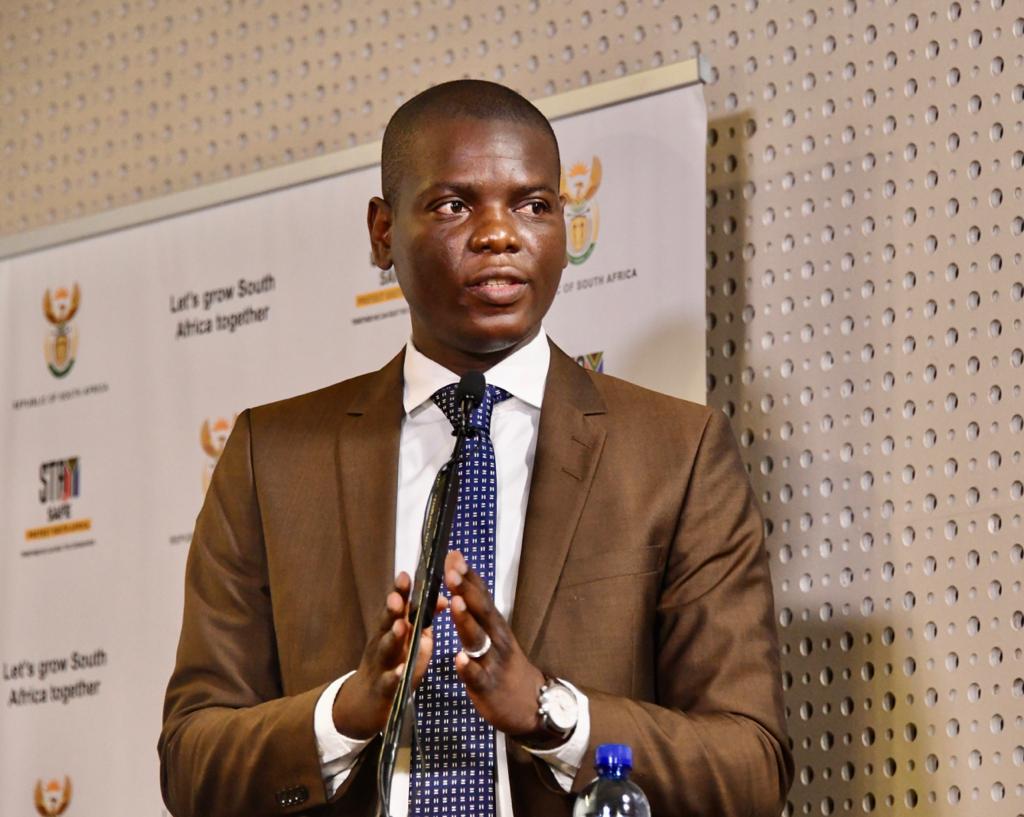
Lamola warns Africa faces a new scramble for critical minerals
South Africa’s International Relations Minister Ronald Lamola has warned that the global race for critical minerals could trigger a new “scramble for Africa” if the continent’s natural resources continue to benefit foreign economies more than its own people.
Speaking at an Africa-Europe relations conference hosted by the Institute for Security Studies (ISS) in Pretoria on Monday, Lamola said Africa must use its mineral wealth to create jobs, strengthen industries and drive economic growth rather than remain a supplier of raw materials.
He argued that partnerships with international powers must deliver meaningful development instead of reinforcing the economic inequalities that have shaped the continent’s history.
“Our continent has long supplied the raw materials that have generated prosperity elsewhere, while most Africans continue to live in conditions of deprivation,” Lamola said.
Critical minerals raise concerns
As countries compete to secure the minerals needed for the green-energy transition, Lamola cautioned that Africa could once again find itself at the centre of international competition without receiving a fair share of the benefits.
He said the continent must approach its mineral resources carefully to avoid repeating the patterns of exploitation associated with the colonial era.
“If we do not treat the rare minerals issue with respect and prudence, it runs the risk of becoming another ‘scramble for Africa’, with serious negative ramifications for Africa,” he said.
Lamola stressed that sustainable partnerships must help end Africa’s economic marginalisation and support structural transformation, allowing countries to develop industries that create greater value from their own resources.
Debt continues to limit development
The minister also criticised the global financial system, arguing that borrowing costs and debt repayments are restricting African governments’ ability to invest in essential public services.
He said 25 African countries had recently spent more on servicing debt than on health and education combined.
According to Lamola, African nations often face higher borrowing costs than developed economies, leaving them with less money available for infrastructure, social development and economic growth.
He also pointed to the Covid-19 pandemic as an example of unequal global access to essential resources, recalling how wealthier countries secured vaccines while many developing nations struggled to obtain supplies.
Lamola described the situation as “vaccine apartheid”.
Africa will not be forced to choose sides
With competition between global powers intensifying, Lamola said Africa must retain the freedom to build relationships with different countries and regions based on its own priorities.
He argued that cooperation between Africa and Europe should not require African nations to demonstrate loyalty to a particular geopolitical bloc or abandon other international partnerships.
“The partnership between Africa and Europe cannot demand allegiance to one bloc or exclusivity,” he said.
Lamola added that the continent must be able to pursue partnerships that support its development goals and national interests.
Investment must create opportunities
Lamola said Africa was not looking for charity or relationships based on outdated ideas of paternalism. Instead, he called for cooperation grounded in equality, shared responsibility and accountability.
He identified skills development and institutional support as areas where cooperation with the European Union could benefit African countries.
This includes specialised training in financial crime, cybercrime and counter-terrorism, as well as efforts to strengthen public institutions.
Lamola also highlighted Africa’s young population as an important asset in the global energy transition, particularly in fields such as artificial intelligence research and development.
For the continent, he suggested, the challenge is to turn international interest in its resources and people into lasting economic opportunities.
His warning comes as critical minerals become increasingly important to clean-energy technologies. Whether this growing demand benefits African communities will depend on the terms of investment, the development of local industries and how much value remains within the continent.
Follow Joburg ETC on Facebook, Twitter, TikTok and Instagram
For more News in Johannesburg, visit joburgetc.com
Source: The Citizen