
News
El Niño warning: Durban households urged to grow their own food
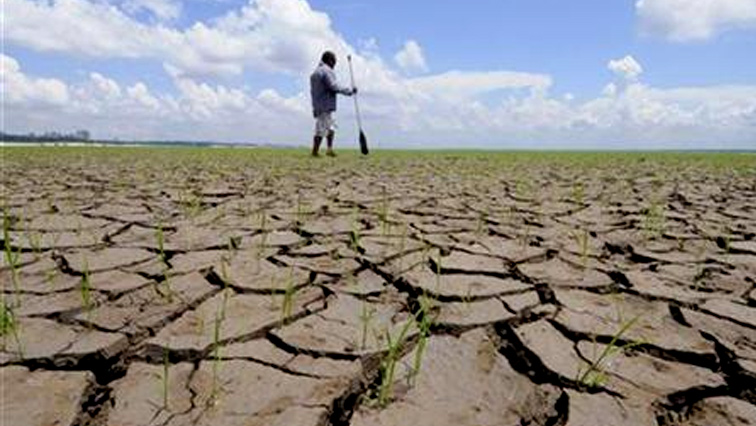
El Niño warning: Durban households urged to grow their own food
With concerns about drought and rising food prices mounting, eThekwini Municipality is urging residents to start growing their own food and prepare their households for potentially difficult conditions.
The municipality has warned that reduced rainfall and higher temperatures could affect agricultural production, threaten farmers’ livelihoods and make it harder for vulnerable households to afford nutritious meals.
For families already feeling the pressure of rising grocery bills, a poor growing season could mean another squeeze on household budgets as food supplies come under pressure.
The call from eThekwini is focused on practical steps residents can take now, including establishing household and community gardens, choosing crops suited to drier conditions and supporting local food producers.
How El Niño could affect food prices
El Niño is a natural climate phenomenon associated with unusually warm sea-surface temperatures in parts of the tropical Pacific Ocean. It can influence weather patterns around the world, including rainfall and temperatures in southern Africa.
In South Africa, El Niño conditions are often associated with hotter weather and below-average summer rainfall, although the effects vary by region and season.
For farmers, prolonged dry conditions can place crops under stress, reduce harvests and leave livestock with less access to grazing and water. These challenges can affect production and farmers’ incomes.
The effects may also reach consumers. If agricultural output falls and supplies tighten, some food prices could come under pressure, making everyday essentials more expensive for households.
Low-income families are particularly vulnerable because they often have less room in their budgets to absorb unexpected increases in grocery costs.
eThekwini encourages residents to start food gardens
The municipality is encouraging residents to make better use of available space by growing fresh produce at home or participating in shared community gardens.
“Establish household and community food gardens,” the municipality advised.
Even a small garden can provide a useful supplement to a household’s grocery shopping, depending on the space available, access to water and the crops being grown.
Residents with limited space could consider containers or small growing beds, while community gardens may allow neighbours to share resources and knowledge.
However, water availability will be an important consideration during dry conditions. Households should choose crops suited to their local climate and avoid planting varieties that require more water than they can reasonably provide.
Choose crops that can handle dry conditions
eThekwini has also encouraged residents to grow drought-resistant vegetables and crops.
Choosing suitable varieties can help reduce the risk of losing an entire crop when rainfall is limited. Gardening methods that help retain soil moisture can also make better use of available water.
Residents can further reduce waste by preserving surplus produce when possible and planning meals around the food they already have.
These measures will not eliminate the impact of drought, but they can help households make better use of their resources and supplement their food supplies.
Supporting local farmers and vulnerable households
The municipality’s recommendations extend beyond individual gardens.
Residents are encouraged to support local food producers, strengthen community networks that assist vulnerable households and share knowledge about climate-smart agricultural practices.
Diversifying household income where possible may also help families manage periods when food and other essential expenses become more difficult to afford.
Community support can be particularly important for households that lack the space, water or money needed to grow their own food. Shared gardens and local support initiatives may offer additional ways for residents to contribute.
What households can do to prepare
While residents cannot control rainfall or prevent El Niño, there are practical steps they can take to prepare for possible pressure on food supplies.
Starting a small food garden, choosing crops that need less water, reducing food waste and supporting local producers can all help households use their resources more effectively.
The success of these measures will depend on local conditions, and home gardening is not a replacement for affordable food supplies or broader support for farmers and vulnerable communities.
For eThekwini residents, the municipality’s message is to prepare early, make use of available resources and build stronger community support networks as the country faces the possibility of challenging weather conditions.
Follow Joburg ETC on Facebook, Twitter, TikTok and Instagram
For more News in Johannesburg, visit joburgetc.com
Source: IOL


