z_Uncategorised
Petition nears 150,000 as DA urges Johannesburg Zoo to free elephants
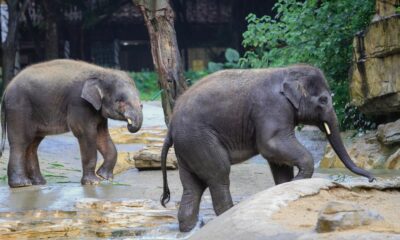
A petition demanding the release of Johannesburg Zoo elephants Lammie, Mopane and Ramadiba has reached close to 150,000 signatures after a Pretoria High Court upheld their captivity.
Court ruling, the zoo’s response and the DA’s position
The High Court in Pretoria dismissed the activists’ challenge on legal grounds and the availability of an administrative review. The Johannesburg Zoo welcomed the ruling and said the three elephants are under the care of a dedicated team of caregivers and veterinary staff and that they are in good health, both physically and psychologically.
The Democratic Alliance’s Gauteng Provincial Legislature (GPL) has not accepted the court outcome as an end to the debate. The GPL urged the City of Johannesburg and the zoo to reconsider the animals’ situation and pushed for further independent review. In a public statement the GPL said:
“Here’s what matters: the case was dismissed on its legal basis and the availability of administrative review – not because the court found these elephants are thriving. And nothing in that ruling obliges the City of Johannesburg to keep them there indefinitely. The City can still choose to do the right thing”.
Who the elephants are and the activists’ concerns
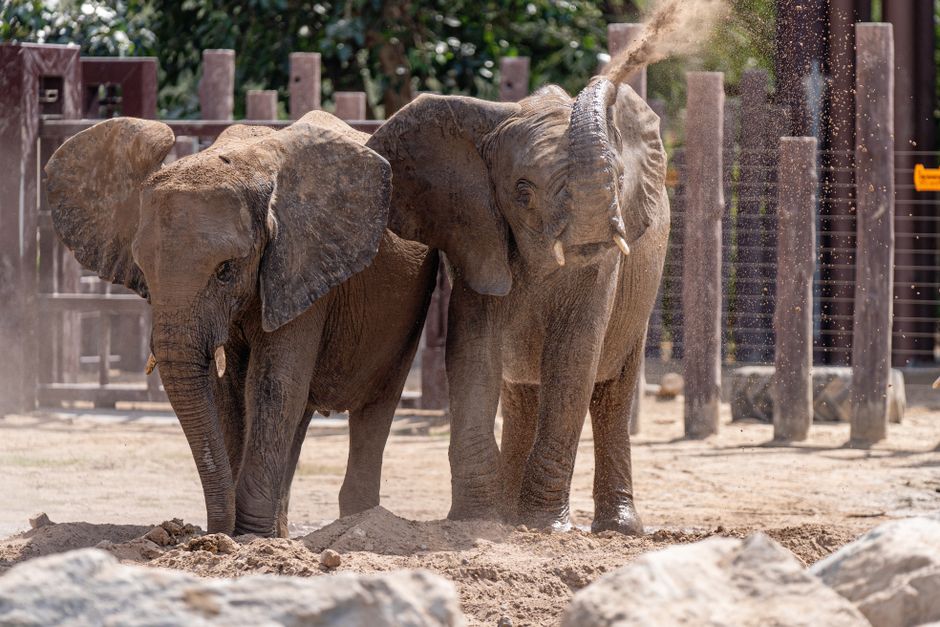
The three elephants at the centre of the dispute are named Lammie, Mopane and Ramadiba. According to reporting from the case, Lammie was born in captivity, while Mopane and Ramadiba have spent the last seven years at the Johannesburg Zoo.
Animal activists and the groups that brought the court application the EMS Foundation, Animal Law Reform South Africa and Khoi Chief Stephen Fritz told the court the elephants had shown signs of psychological distress. Their filing raised concerns about the animals’ environment and daily care, listing specific issues:
- limited shade
- insufficient space
- minimal stimulation
- inadequate food quality and variety
- safety risks
Calls for an independent relocation assessment
The DA’s Leanne de Jager, an MPL for Environment & Climate and the Gauteng spokesperson for environmental affairs, urged authorities to consider rewilding and to commission a formal, independent review of any relocation plan. The DA and its MPL asked for a process that would examine each animal’s health, social bonds and long‑term care needs and for the findings to be made public. Their demand was made explicit in the following call:
“commission a transparent, independent assessment of a properly resourced relocation proposal – addressing each elephant’s health, safety, social relationships and lifelong care – and to report on it publicly”
Sanctuary example and the planned appeal
The DA and activists referenced another case where an elephant named Duma was moved to a private reserve in Limpopo and described as “flourishing” there after decades in captivity. That comparison has been used by campaigners to argue that relocation can improve an individual elephant’s quality of life.
The EMS Foundation and its partners have said they will appeal the High Court decision. In a public statement the EMS Foundation argued that a permit alone should not resolve the ethical question of captivity and urged the city and zoo to engage with alternatives. The organisation wrote:
“A permit authorising captivity cannot, in our view, settle the ethical question of whether that captivity should continue. Public institutions responsible for sentient animals should continually assess whether they can offer those animals a better life. We call on the City of Johannesburg and Johannesburg City Parks and Zoo to engage meaningfully with a carefully assessed alternative to continued confinement. The dismissal does not prevent them from reconsidering their position and working towards a solution centred on the elephants’ interests.”
What this means going forward
With close to 150,000 signatures on the petition and an announced intention to appeal, the legal and public pressure on the City of Johannesburg and the zoo remains high. The court ruling confirmed the validity of the zoo’s permit but did not, according to the DA’s statement, force an indefinite outcome. That leaves room for further administrative or policy steps, including independent assessments and reviews of any relocation proposal.
Independent assessments of large animal relocations typically consider a range of issues without predetermining outcomes: the animals’ medical condition, behavioural indicators, social relationships, the capacity of a proposed sanctuary to provide for lifelong needs, and any logistical or safety factors relevant to a transfer. Campaigners and political representatives have requested that such a process be carried out transparently and reported publicly.
Where things stand now
For now, Lammie, Mopane and Ramadiba remain at the Johannesburg Zoo under the terms of the existing permit and in the care of zoo staff. Animal welfare groups have pledged further legal action and continue to build public support through the petition. The unfolding combination of legal appeals, public pressure and calls for independent review will determine whether the status quo changes.
The story is ongoing: the petition’s momentum and the activists’ planned appeal mean the debate around the elephants’ future is likely to remain a matter of public attention in the coming weeks and months.
Follow Joburg ETC on Facebook, Twitter, TikTok and Instagram
For more News in Johannesburg, visit joburgetc.com
Source: thesouthafrican.com