News
R10bn temporary fuel relief welcomed but critics say it falls short
Finance Minister Enoch Godongwana announced R10bn temporary fuel relief R3/l diesel and R1.50/l petrol from 4 Nov to 1 Dec welcomed but critics call it insufficient.
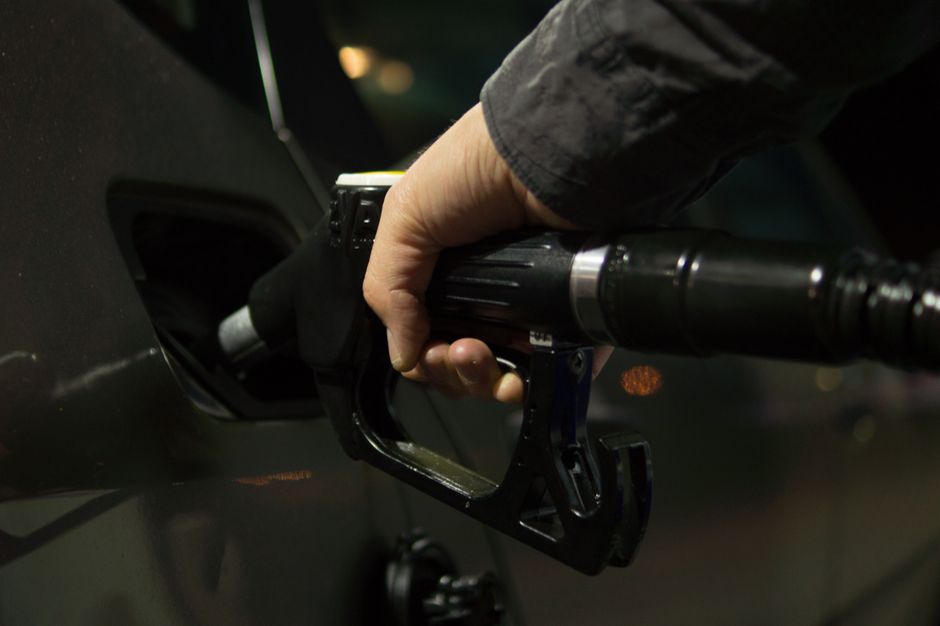
What the relief does and who it affects
The announced package is a short-term, targeted reduction in the general fuel levy intended to lower pump prices for a four-week period. Because diesel is a primary input for many industries and agricultural operations, the cut is likely to have direct cost implications for transport-dependent sectors and producers who rely on diesel-powered machinery.
At the consumer level, the levy reduction will directly affect the price paid at the pumps during the stated period. The intervention is temporary by design, and the levy reduction is scheduled to end on 1 December, returning fuel taxation to its prior level unless further decisions are made by government.
Political and civic responses
Reactions to the announcement were mixed. While some welcomed the immediate easing of fuel costs, several political parties and civic organisations described the measure as insufficient or politically motivated.
- Economic Freedom Fighters (EFF): The party described the move as politically timed. The EFF said fuel relief announced on the eve of local government elections was
“a ploy to win votes and not a plan.”In a further comment the party added:
“There is no structural answer to the rising fuel prices and it ends in early December, which will send workers into the festive season with empty pockets.”
- Freedom Front Plus: The party’s chief spokesperson for finance, Wouter Wessels, said the measure “will provide some relief, but not enough.”
- AfriForum: Spokesperson Louis Boshoff emphasised that the reduction should be accompanied by broader reforms, saying the cut must be paired with “more fundamental reforms regarding how the government utilises tax revenue.”
Agricultural sector reaction
Industry groups serving agriculture welcomed the timing of the relief while stressing it does not solve deeper cost pressures. AgriSA CEO Johann Kotze said the intervention was an important step to ease pressure on production costs and food prices as farmers approach critical planting and production seasons.
Kotze noted that the package comes at a sensitive time for South African agriculture, on the eve of the summer grain planting and summer fruit production seasons. He warned producers were entering this period under significant strain because of environmental risks and sustained input costs. In his words:
“With El Nino conditions expected to bring heightened climatic risks and fertilizer and fuel costs that have remained persistently high throughout the year, producers are entering this crucial production period under considerable financial pressure,”
He added:
“Against this backdrop, the fuel relief is particularly welcome. Diesel is a major input across agricultural operations and the entire food system.”
Kotze also emphasised that while the MTBPS contained a number of sensible measures,
“on their own, these cannot fully alleviate the plight of consumers,”
underscoring that this relief is only one piece of a broader set of pressures facing households and producers.
Why critics say the relief is limited
Critics and some commentators raised three broad concerns: the temporary nature of the cut, the scale of the relief relative to longer-term price pressures, and the absence of structural reforms tied to tax use and broader cost drivers.
First, because the levy reduction is set to end on 1 December, critics argue the measure offers a brief window of lower prices rather than a sustainable easing of living costs. Second, the size of the cut while providing immediate relief at the pump was described by some as inadequate to offset sustained increases in input costs for businesses and households. Third, organisations such as AfriForum highlighted a demand for accompanying fiscal reforms to address how tax revenue is used.
What this means going forward
For consumers and sectors that depend on fuel, the short-term levy cut will lower costs at least temporarily. For households, any short-lived reduction in transport or delivery costs could have some knock-on easing of immediate spending pressures. For farmers and food producers, a temporary diesel price reduction can modestly lower operational expenses during a critical production window.
At the same time, the announced measure does not, on its own, resolve the structural drivers of fuel price volatility or broader inflationary pressure. Stakeholders quoted in response to the MTBPS emphasised the need for longer-term solutions and fiscal measures that address systemic cost and revenue questions.
The R10 billion fuel levy relief announced in the 2026 MTBPS reduces the general fuel levy by R3/l for diesel and R1.50/l for petrol for a defined short period from 4 November to 1 December. While the cut has been welcomed by parts of the agricultural sector and by consumers seeking immediate relief, political parties and civic groups have described it as insufficient or politically timed. Industry leaders stressed it provides welcome, but limited, breathing room amid ongoing cost pressures.
Follow Joburg ETC on Facebook, Twitter, TikTok and Instagram
For more News in Johannesburg, visit joburgetc.com
Source: citizen.co.za