News
Hamilton welcomes F1’s Africa return but raises concerns about Rwanda host
Lewis Hamilton welcomed Formula One’s return to Africa but expressed reservations about Rwanda as host after F1 announced a 10-year deal and plans for a circuit.
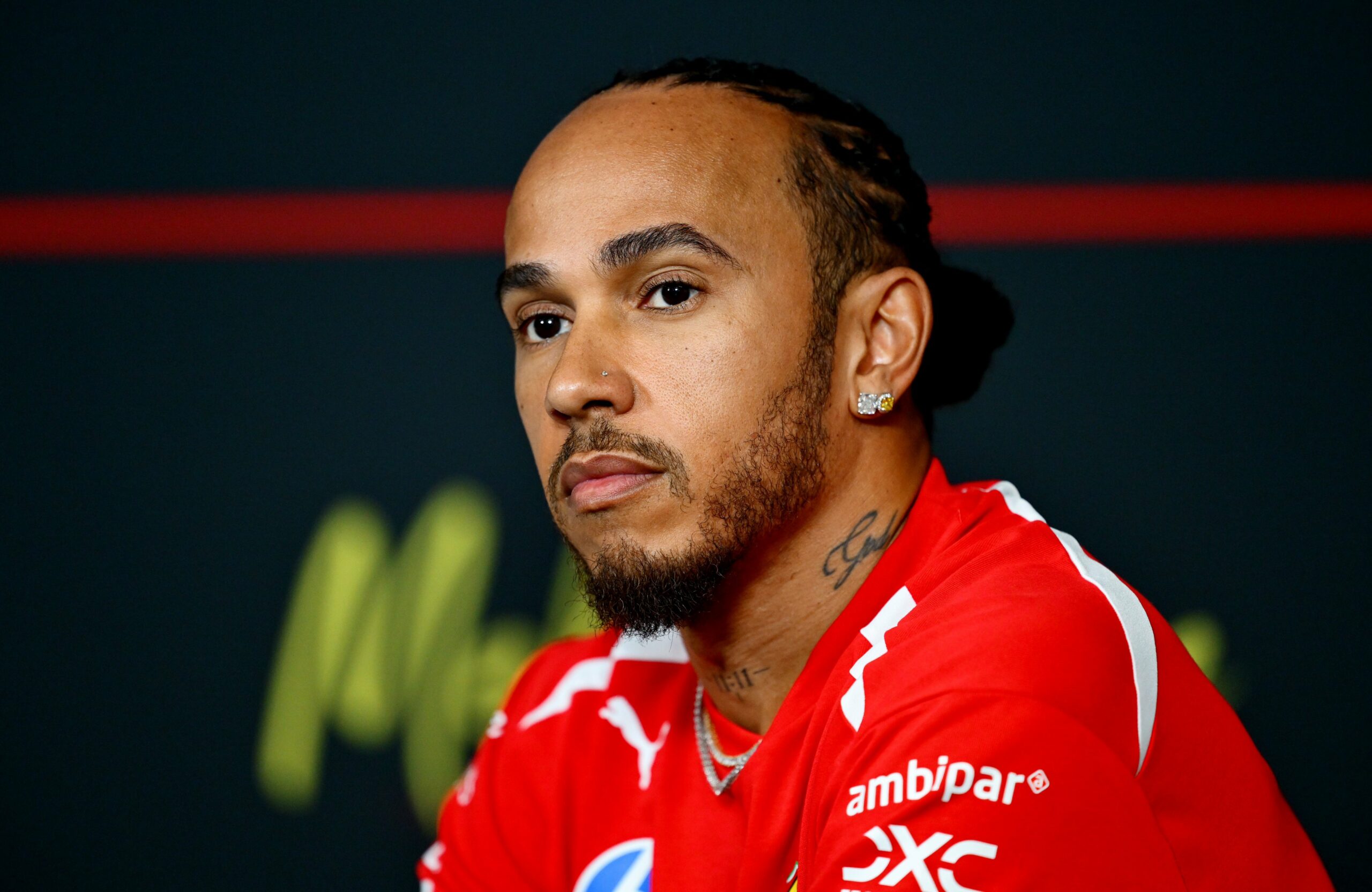
Seven-time champion welcomes return to Africa but urges humility over Rwanda choice
Lewis Hamilton said he welcomed Formula One’s decision to return to Africa, but voiced reservations about the selection of Rwanda as the continent’s next host. Hamilton made the remarks when speaking to reporters ahead of the United States Grand Prix, comments published on 23 October 2026.
What Hamilton said
Hamilton told reporters that he was “aware of concerns regarding Rwanda” and that such concerns should not be overlooked. He framed his caution in measured terms: that he did not choose race venues and that problems exist worldwide, and urged an approach of humility.
“Of course, I don’t get to choose where we go and, naturally, there’s problems all over the world today,”
He followed that with a call for increased public understanding of Africa’s history and contemporary realities. Hamilton said he grew up in England without learning much about Africa in school and urged greater education on the continent’s past and present.
“Growing up in England, they never taught us anything about Africa. It needs to be on the curriculum,”
Context from Formula One and historical background
Formula One recently announced a 10-year agreement to stage a race in Rwanda, with plans for a circuit to be built in the early 2030s. Hamilton described the announcement as a fulfilment of a long-standing desire for F1 to return to Africa an ambition he has voiced for many years.
The continent last hosted a round of the world championship at the 33rd South African Grand Prix held at Kyalami near Johannesburg in 1993, when Hamilton was eight years old. The planned Rwandan event would mark the first African Grand Prix in more than three decades.
Broader themes in Hamilton’s remarks
Hamilton expanded beyond the venue question to discuss wider issues he associates with Africa’s place on the world stage. He connected contemporary challenges to long-term historical forces and urged readers and fans to educate themselves about the continent’s history.
“A lot of the problems they have there are still the results of colonialism and the west intervening, but if you see the people, you see so many designs that are out there today,”
He highlighted Africa’s cultural and material contributions and expressed hope for greater unity across the continent, while acknowledging that not everyone wishes for such unity.
“I really hope, and I still have hopes, that Africa unites. I know there’s many people that don’t want that to happen – because they would be so powerful if they did, but I’m still hopeful that at some stage they will,”
On attending and competing in an African Grand Prix
Hamilton said his dream has been to race in an African Grand Prix and that the prospect of a Rwanda race has influenced his plans for the remainder of his career. He said he aims to remain fit and competitive into his forties to be able to take part.
“I have to keep fighting to try and stay fit if I can. If I can still punch out good results over the next year, we’ll keep it going,”
At the same news conference Hamilton also praised the current championship leader at the time, naming him and sharing a brief exchange about career longevity. That driver, described in the original report as a 20-year-old Italian competing for Mercedes, replied to Hamilton that he had time to reach the first African race.
Why the comments matter
Hamilton’s remarks matter because he is one of the sport’s most prominent figures and his views shape public conversation around venue selection and the broader impact of sport in different regions. His combination of welcoming a return to Africa and urging caution over the host choice highlights a tension that often accompanies major international events: celebration of access and inclusion on the one hand, and scrutiny of suitability and local context on the other.
There are two clear, non-controversial takeaways from Hamilton’s comments as published: he supports bringing Formula One back to Africa, and he believes the discussion about where and how that happens should include historical awareness and humility.
Formula One’s announced timeline places a Rwandan circuit and race in the early 2030s as part of a decade-long agreement. Hamilton’s public reservations signal that debates about the choice of host and the broader implications of staging a grand prix in Africa are likely to continue as planning progresses.
In the meantime, Hamilton has made clear he intends to try to extend his career so he can be part of an African Grand Prix should the event come to pass.
Reporting note: Hamilton’s remarks and the Formula One announcement were reported by Agence France-Presse on 23 October 2026.
Follow Joburg ETC on Facebook, Twitter, TikTok and Instagram
For more News in Johannesburg, visit joburgetc.com
Source: thesouthafrican.com