News
SAPS Warns of Jail Time for Using Police Badge in AI Content Without Permission
SAPS warns: Unauthorised use of police badges in AI-generated content can lead to six months in jail under the SAPS Act. Learn about the risks and legal steps.
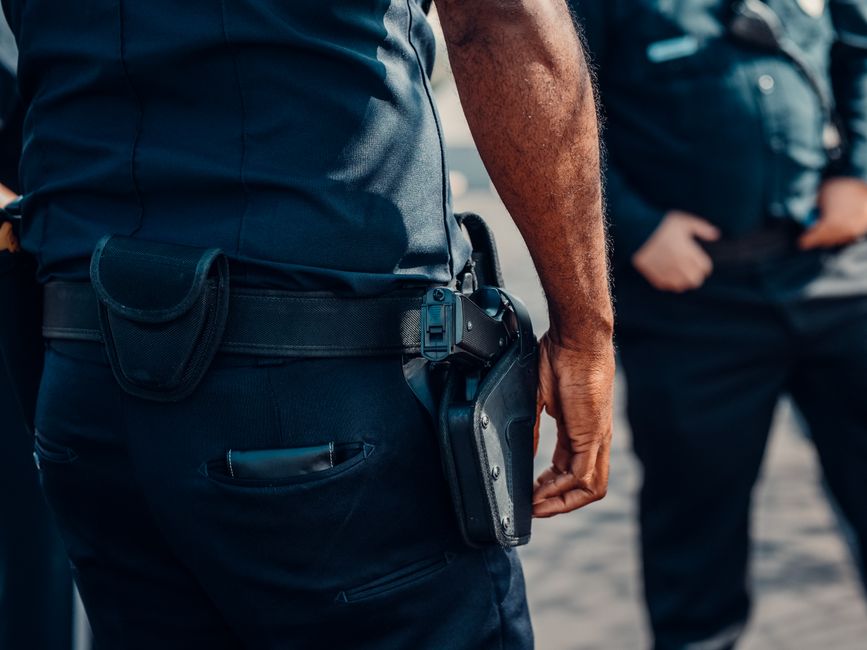
SAPS Cautions Public on AI-Generated Police Images
The South African Police Service (SAPS) has issued a stern warning against anyone creating, distributing, or sharing AI-generated content featuring official police badges or uniforms without proper authorisation. The alert comes with a reminder that such actions are a direct violation of the SAPS Act and can lead to prosecution and prison sentences.
Legal Implications of Using Police Insignia
SAPS emphasised that the police badge is a symbol of authority and public trust. Any unauthorised use can mislead or confuse the public, especially when police insignia appear in online media or in content generated by artificial intelligence tools. The use of the badge or uniform in AI creations, such as posters or videos, might seem innocuous at first glance, but SAPS cautioned that the potential for abuse is serious.
Section 68(3) of the South African Police Service Act 68 of 1995 is explicit on this matter. It prohibits anyone from using the SAPS badge or name, or from impersonating police officersor giving the impression of acting as a police officerwithout written approval from the National Commissioner.
“Anyone found guilty could face a fine or direct imprisonment for a period of up to six months,” SAPS stated.
Recent Incidents Prompt Action
The latest warning follows several observed cases in Brakpan, Gauteng, where SAPS identified AI-generated content using the official badge circulating on social media. Officers highlighted concerns that such content might be misinterpreted by the public, especially when it gives a false impression of police action or authority.
Common violations include:
- Using AI tools to make people appear as police officers
- Creating AI images of police operations, including fictional arrests
- Distributing posters or videos with official SAPS badges or uniforms
- Impersonating police officers online or in AI-generated materials
Protecting Public Trust and Safety
The police badge stands for public safety and authority. SAPS has cautioned that inappropriate or unauthorised use can damage public trust. When people are exposed to digital content featuring real or fake SAPS badges, there is a genuine risk they may be misled.
This warning forms a part of the SAPS’s ongoing effort to prevent confusion and deception in the public sphereparticularly where artificial intelligence technologies are involved.
Scope of the SAPS Act
According to SAPS, prohibited acts include:
- Wearing any part of the official SAPS uniform without permission
- Creating or sharing content suggesting SAPS endorsement without approval
- Impersonating an officer, in any context or via any mediumincluding AI-generated material
Police also reminded their own officers that strict social media conduct applies to them. Members are restricted from posting images of themselves in uniform or sharing SAPS insignia on private accounts without authorisation.
Assessing Intent and Deciding on Penalties
Intent behind creating or sharing such content is crucial. SAPS said officers would evaluate whether AI-generated material was designed to mislead or impersonate officers before prosecuting. Merely creating AI images with the insignia does not always constitute an immediate offence, but distributing or using those images to deceive or impersonate is a violation that can trigger arrest.
“Members of the public are urged to immediately report anyone seen using the SAPS badge or wearing the official SAPS uniform without authorisation to the nearest police station,” SAPS urged.
Public Advised to Remain Vigilant
The public is encouraged to be alert for unauthorised use of SAPS insignia in both AI-generated and traditional content. If spotted, the safest action is to report the incident to the nearest police station. This proactive approach helps prevent confusion and reinforces the legitimate authority of the police.
SAPS previously issued similar warnings in other provinces, stressing that the risks associated with unauthorised use of police images are far-reaching in the digital age.
Looking Ahead: Navigating AI Content Responsibly
As technology evolves, public awareness of the lawful and responsible use of official insignia becomes essential. Digital creators, social media users, and members of the public should exercise caution when repurposing or distributing images and videos that may bear police symbols.
The South African Police Service’s message is clear: unauthorised use of its badge or uniform, especially in AI-generated content, is a serious offence that can result in prosecution and jail time. Staying informed and respecting legal boundaries ensures that trust in public institutions is maintained, and helps protect the community from confusion or potential harm.
Follow Joburg ETC on Facebook, Twitter, TikTok and Instagram
For more News in Johannesburg, visit joburgetc.com
Source: iol.co.za