Business
SAA Given Until February to Secure a Buyer as Bailout Deadline Looms
South African Airways has until February to find a buyer or lose state support. National Treasury warns the R1bn guarantee is the final rescue for the airline.
February Deadline for SAA to Secure a Strategic Buyer
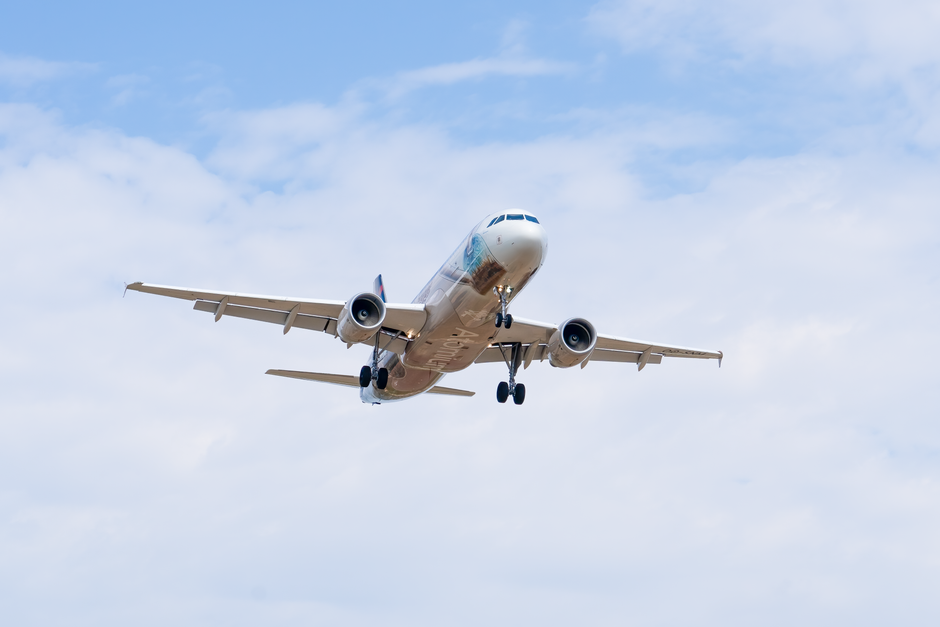
South African Airways (SAA) is facing mounting pressure from National Treasury, with a final deadline set for February to secure a strategic equity partner or buyer. After years of financial instability, this marks a crucial turning point for the state-owned airline as government support comes to the end of its runway.
Treasury’s Conditions on Government Guarantee
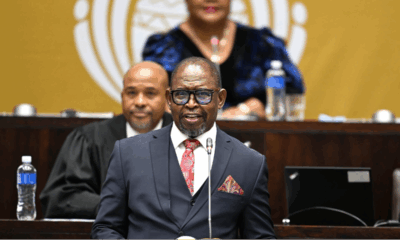
The current crisis is tied to a R1 billion government loan guarantee that SAA requested in July and was approved by Finance Minister Enoch Godongwana in early August. Treasury has made it clear that this guarantee comes with strict conditions. Once this guarantee lapses, there will be no further state support granted to SAA.
Despite approval, SAA has not yet drawn on the underlying credit facility. The Treasury spokesperson did not disclose which commercial bank is involved in the arrangement, and the airline itself has declined to comment on guarantees and funding matters, later denying previous reports about its banking situation.
Asset Sales and Performance Reporting Requirements
In addition to seeking a buyer, SAA must identify non-core assets for sale or commercial use within 90 days of the guarantee approval. This deadline lands on Tuesday. The subsequent plan, including independent valuations, must follow within 120 days, with implementation required within six months.
According to Treasury, “the monetisation of non-core assets will demonstrate the airline’s commitment to strengthening its own balance sheet, improving liquidity and reducing future borrowing requirements.”
Further, SAA is subject to ongoing scrutiny, including quarterly reports on route profitability, passenger loads, and yields. Routes that underperform must have corrective plans in place.
A dedicated monitoring committee, formed by Treasury, the Department of Transport, and SAA officials, will oversee financial performance, supported by monthly cash flow forecasts and quarterly debt reports.
Continued Uncertainty Following Failed Takatso Deal
The tight deadlines come on the heels of the 2024 collapse of the much-publicised Takatso Consortium deal, which would have seen private investors secure a majority stake in SAA. Since then, the airline has experienced significant instability in its leadership.
The permanent appointment of former CEO John Lamola was met with criticism, only to be followed by his abrupt departure. Acting CEO Matshela Seshibe, previously with Air Chefs, was soon placed on special leave amid further controversy. This leadership vacuum has only complicated SAA’s efforts to secure financial stability.
The airline’s recent 2025 financial statements received a disclaimer opinion from the auditor-general, further denting confidence in SAA’s governance.
Criticism Over Political Interference and Leadership Instability
Wayne Duvenage, CEO of the civil action group Outa, has pointed to political interference and persistent leadership turmoil as root causes of SAA’s continued struggles. Duvenage commented,
“They are not taking the financial management and the long-term financial stability of SAA seriously.”
He highlighted the ongoing reliance on acting executives and concerns over merit-based appointments, suggesting that promises to professionalise the airline remain unfulfilled.
SAA’s Current Position and Future Prospects
SAA has indicated that the search for a strategic equity partner is being led by its shareholder, not the airline’s own management. “SAA therefore does not determine or make commitments on their behalf,” stated spokesperson Mphilo Dlamini. The airline confirmed it is engaged with multiple potential lenders but disclosed no details regarding which assets are earmarked for monetisation.
The next few months will prove critical as SAA races to meet government-set targets. The February deadline to find a buyer stands as a definitive test of whether the airline can remain airborne without further public funding.
Broader Implications for South Africa’s Aviation Sector
This high-stakes scenario at SAA signals the immense challenges faced by state-owned enterprises in achieving sustainability amid leadership turnover and budgetary constraints. The developments at SAA are closely watched by both industry observers and the public, who are mindful of the strategic importance of a national carrier, especially as the airline works to avoid further disruptions and maintain core operations with diminishing state backing.
Follow Joburg ETC on Facebook, Twitter, TikTok and Instagram
For more News in Johannesburg, visit joburgetc.com
Source: citizen.co.za