News
Experts Warn South Africa Could Face R500 Billion Bill for Hosting Olympics
Experts caution that hosting the Olympics could cost South Africa R500 billion, with concerns about debt and underused stadiums leading to renewed debate.
Olympic Bid Sparks Major Debate Over Financial Impact
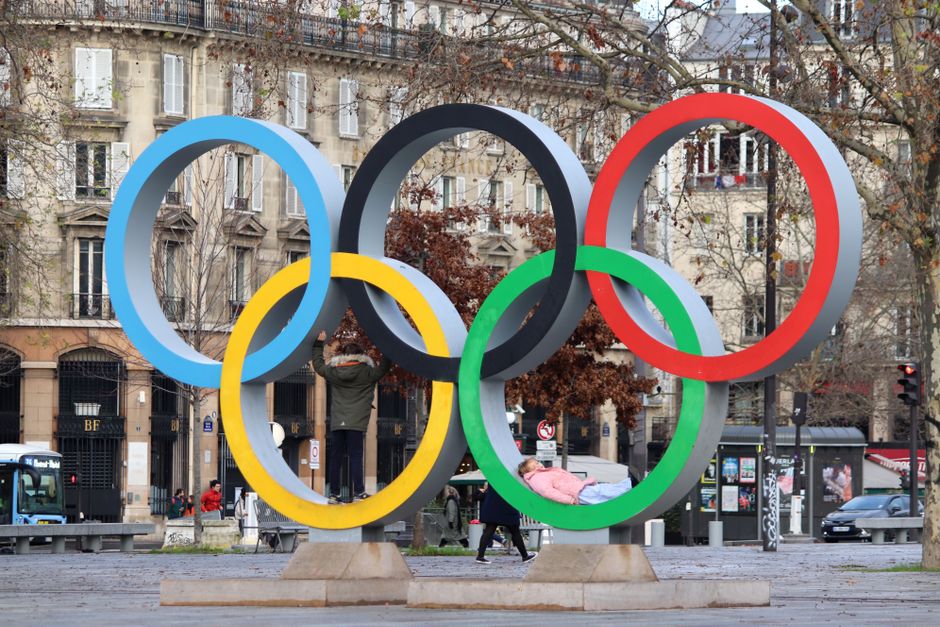
The prospect of South Africa hosting the 2036 or 2040 Olympic and Paralympic Games has ignited fresh debate as experts warn that the cost of bringing the spectacle to local shores could reach as high as R500 billion. Most of this price tag would likely fall on taxpayers, drawing heightened scrutiny from analysts and economists alike over the project’s advisability.
South Africa’s Olympics Ambitions
The South African Sports Confederation and Olympic Committee (Sascoc) is actively engaged in what is called a “continuous dialogue” with the International Olympic Committee (IOC), expressing interest in bringing the Summer Olympics and Paralympic Games to the country. Should the bid advance, South Africa could make history as the first African nation to host the Games, a point highlighted by supporters.
Sascoc’s proposed strategy revolves around a multicity model. This approach would distribute Olympic events across Cape Town, Johannesburg, and Durban, drawing on existing infrastructure from previous events such as the 2010 FIFA World Cup. The hope is to reduce the burden of new construction by making optimal use of world-class stadiums and facilities already in place.
The Rising Cost of Hosting
Despite intentions to minimize expenses, finance experts warn that Olympic budgets are historically prone to overruns. Host countries almost always exceed their original spending plans, sometimes doubling initial estimates. The Paris 2024 Games, often cited as a model for cost-conscious planning, leveraged existing venues wherever possible. Even so, few Olympic hosts have managed to turn a profit, often leaving behind large debts for years after the closing ceremony.
“If that happens here, the country will be saddled with even more debt,” say experts. While South Africa benefits from infrastructure built for the 2010 FIFA World Cup, significant funding would still be required to renovate and modernize these existing stadiums to meet Olympic standards.
Memories of 2010 and Lessons Learned
Many South Africans recall the excitement and unity brought about during the 2010 World Cup. According to economist Dawie Roodt, the World Cup did boost the nation’s morale and economy in intangible ways, increasing the country’s profile as a global destination and continuing to attract foreign visitors years later. However, he draws a sharp distinction between hosting the World Cup and the far more costly undertaking of the Olympics.
“There are so many stadiums standing empty and we borrowed money for them. All in all, I think the country gained, even if it was not in financial terms. … The Olympics are much larger and cost significantly more. … My advice? Don’t bid for the Olympics – it wouldn’t be a smart move.”
He further noted skepticism about the government’s ability to marshal resources and popular support for such a massive endeavour, especially after recent years of economic and administrative challenges.
Weighing Benefits Against Public Need
For many observers, the heart of the debate rests on priorities. Political analyst Rene Oosthuizen emphasized the pressing needs many South Africans face, voicing doubt about justifying such an expensive event while access to basic services remains a daily struggle for millions.
“Government must first prove taxpayers can afford it, that the country will genuinely benefit and that we will not be left with expensive, underused stadiums and a massive bill once the Games are over.”
Analyst Piet Croucamp echoed these concerns, noting that even recent bids to host the Rugby World Cup were ruled out for financial reasons. The issue of “white elephant” stadiumscostly infrastructure that sees little use post-eventremains unresolved from previous ventures, with most provinces unlikely to be able to cover maintenance and running costs on their own.
Competition and Timeline for the Bid
The International Olympic Committee has identified South Africa as one of seven contenders for the 2036 Games. Other interested parties include Qatar, India, Germany, Hungary, Türkiye, and South Korea. The process involves virtual presentations to the IOC’s Future Host Commission, set for the coming month, and a more comprehensive feasibility assessment by March of next year. The final host city will be decided at an IOC vote in 2029.
- Multi-city approach: Cape Town, Johannesburg, Durban
- Focus on using existing infrastructure
- Severe competition from other nations
- Stadium and infrastructure renovations still required
- Decision expected by 2029
Balancing Dreams and Reality
The chance to host the world’s premier sporting event offers undeniable prestige, but experts caution that dreams must be balanced with financial realities. With a potential R500 billion bill and pressing socio-economic needs at home, the debate over South Africa’s Olympic bid looks set to intensify as the process moves forward.
The experience of the 2010 FIFA World Cup stands as both an inspiration and a cautionary tale for those looking to the future.
Follow Joburg ETC on Facebook, Twitter, TikTok and Instagram
For more News in Johannesburg, visit joburgetc.com
Source: citizen.co.za