Lifestyle
Community food gardens tackle hunger in South Africa
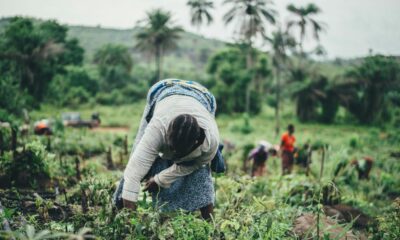
Community food gardens are helping South Africans access fresh produce while creating opportunities for employment, skills development and small business growth.
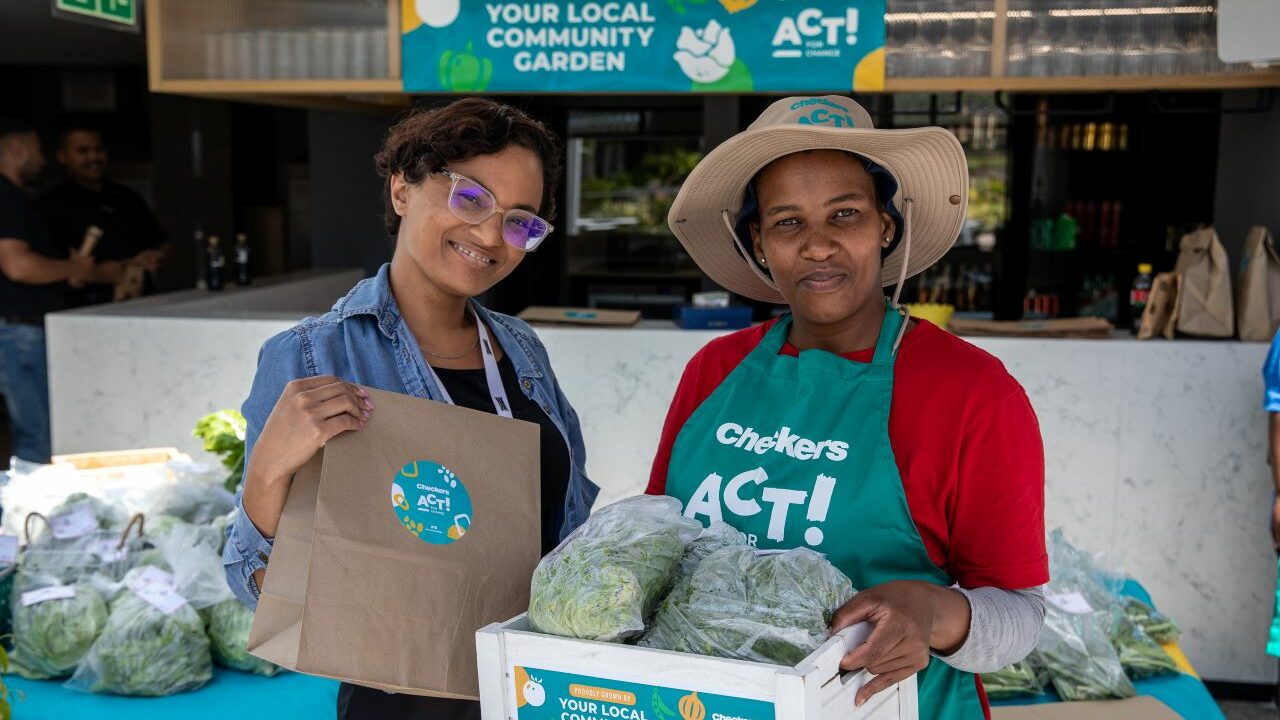
On Tuesday, 27 October 2026, more than 80 community food gardens across South Africa, Botswana and Namibia took part in Shoprite and Checkers’ annual Market Day, giving growers the opportunity to sell their organically grown spring produce directly to shoppers at selected stores.

Picture: Supplied
The initiative comes as food insecurity remains a concern across South Africa. According to the South African Food Security Index, 12% of South African households experienced hunger in 2025, highlighting the importance of initiatives that support access to fresh food and help communities strengthen their livelihoods.
Community gardens offer more than fresh vegetables
For many community growers, producing vegetables is only one part of the work. Having access to customers and learning how to sell their produce can also help them develop the skills needed to build sustainable agricultural businesses.
Market Day creates an opportunity for participating gardens to sell directly to the public while gaining practical experience in pricing, product presentation, customer relations, communication and record-keeping.
These skills can help small-scale growers better understand the business side of farming and build confidence when dealing with customers.
According to the Shoprite Group, Market Day forms part of its broader support for more than 320 community food gardens across southern Africa.
The retailer also supports gardens through its Act for Change programme, which provides training, seedlings and infrastructure to help community projects strengthen their operations.
Free State garden grows into a community development project
One example of how community gardening can create opportunities beyond food production is the Qholaqhwe Garden Project near Phuthaditjhaba in the Free State.
The project was established to create employment opportunities for local young people while growing vegetables for a crèche feeding scheme.

Picture: Supplied
Since its establishment, the initiative has expanded into agroprocessing and accredited agricultural training, allowing it to contribute to both food provision and skills development.
Malebane Minah, managing director of the Qholaqhwe Garden Project, said the garden’s development had demonstrated how agriculture could create jobs and bring communities together.
The project is accredited to provide crop production training, giving participants an opportunity to learn practical agricultural skills they can use to support themselves.
Its growth illustrates how a community garden can develop beyond supplying vegetables, creating opportunities for people to gain experience and explore different areas of agriculture.
Western Cape gardens also take part
Community food gardens in the Western Cape were among the projects listed for this year’s Market Day.
The participating gardens included the New World Foundation Eco-Village and Skills Centre in Muizenberg, Vulamasango in Mitchells Plain, Mhani Gingi and The Ark in Brackenfell, and Grasgroen Vingers in Knysna.
Their inclusion highlights the range of community initiatives involved in growing and supplying fresh produce across the province.
For communities, access to initiatives that connect local growers with shoppers can create opportunities to sell produce while developing practical business skills.
The Shoprite Group noted that its Market Day initiative is intended to give growers a platform to interact directly with customers, helping build confidence and establish relationships between producers and buyers.
Please note: The retailer’s published list states that not all listed stores may be able to participate on the day.
R1 million in support available to community food gardens
Beyond Market Day, the Shoprite Group is continuing its support for community gardens through its Act for Change Food Garden Competition.
The second competition is underway, with R1 million in collective prizes available in the form of support tailored to the needs of participating gardens.
The initiative aims to recognise community food gardens for their contributions to local nutrition, environmental sustainability and community development.
Entries are open until 15 November 2027. According to the competition information supplied by the retailer, there is no entry fee and no data costs apply.
More information is available through the official Act for Change Food Garden Competition website.
Growing opportunities through community food gardens
Community gardens can play a role in strengthening local food systems by helping people access fresh produce while creating opportunities for skills development and income generation.
Through Market Day, participating growers gain direct access to shoppers and experience in selling their products. Projects such as Qholaqhwe also demonstrate how agricultural initiatives can expand into training and agroprocessing.
While these initiatives form part of a broader effort to address food insecurity, they also show how growing food can create opportunities for people and communities beyond the harvest itself.
Follow Joburg ETC on Facebook, Twitter, TikT
For more News in Johannesburg, visit joburgetc.com
Featured Image: Supplied