World
UK urges households to prepare for three days without essential services
British households are being urged to rethink how prepared they are for emergencies, with the government launching a national campaign encouraging families to keep enough food, water and essential supplies to survive for at least three days without normal services.
The Be Ready campaign reportedly aims to help people cope with disruptions ranging from severe weather and flooding to cyberattacks, power cuts and potential security threats. The campaign’s message is that households should be able to manage for a short period if electricity, water supplies, online banking or access to shops suddenly become unavailable.
Officials have stressed that the initiative is about practical preparation rather than panic, as Britain looks to strengthen its ability to withstand unexpected crises.
‘It’s just a simple ask of people,’ Defence Secretary Wes Streeting said, urging families to consider whether they would have what they needed if they lost access to online banking or experienced a power failure.
🚨🇬🇧 BRITAIN SAYS KEEP CASH AND THREE DAYS OF SUPPLIES. COULD YOUR FAMILY COPE?
The lights go out. Your card payment fails. The cash machine is offline.
How long could your household manage?
Britain’s Government is urging families to prepare for THREE DAYS of disruption through its “Be Ready” campaign.
Water. Food that needs no cooking or refrigeration. Torches. A radio. Essential medicines. A charged power bank.
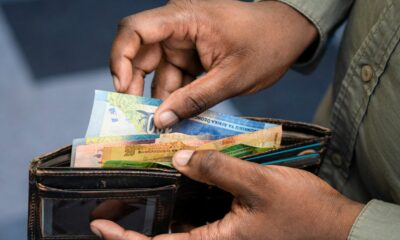
And CASH.
That last recommendation deserves attention.
As more of everyday life moves onto phones, apps and electronic payments, emergency preparedness still requires something you can hold in your hand.
A bank balance is little comfort at a checkout that cannot process your payment.
The official checklist recommends three litres of drinking water per person, per day. For a family of four, that means 36 litres for three days, with more needed for cooking and washing.
Could your family manage that tonight?
Preparedness advice also raises a question for those in power: how resilient are the essential services we pay for, and what provision exists for people who cannot afford extra supplies?
Households have a part to play. Government and infrastructure operators must answer for theirs.
At Freedom Train International, we believe preparedness belongs alongside freedom, responsibility and strong communities.
Check your cupboards. Build supplies gradually within your budget. Make a family plan. Remember neighbours who may need support.
The best time to prepare is while the lights are still on.
DON’T BE SCARED. BE PREPARED.
Join us: https://t.co/e1jH4UtGr4 https://t.co/bH44lqz0Z4
Jim Ferguson (@JimFergusonUK) October 26, 2026
Why is Britain stepping up emergency planning?
The campaign comes amid growing concern about the range of events that could disrupt everyday life, from extreme weather to cyber incidents and international tensions.
The UK has faced damaging heatwaves, drought conditions and wildfires, raising concerns about the impact of prolonged dry weather on agriculture and future food supplies. Farmers have warned that poor growing conditions could affect harvests and increase pressure on food production.
Cybersecurity is another concern. Attacks or technical failures can affect government services, businesses and digital systems that people increasingly depend on for everyday transactions. Streeting has also warned that threats are not limited to hostile states, pointing to the role of organised criminal groups in cyber incidents.
Security concerns linked to Russia’s war against Ukraine and reports of suspicious drone activity near British military facilities have added to wider discussions about national resilience.
The government is therefore encouraging households to consider how they would cope if several everyday conveniences disappeared at once, rather than preparing for only one type of emergency.
What should households keep at home?
Reportedly, the government’s emergency checklist recommends assembling a basic kit that can sustain everyone in the household for 72 hours.
Water is a priority. Each person should have approximately three litres a day for drinking, with additional supplies for cooking and washing. That means a family of four would need at least 36 litres for drinking alone over three days.
Food should include non-perishable items that can be eaten without cooking, such as tinned meat, fruit and vegetables. A tin opener is also useful, particularly if electricity supplies are interrupted.
Other recommended essentials include:
- Lighting and warmth: A torch, spare batteries, blankets, sleeping bags and warm clothing.
- Hygiene supplies: Wet wipes and hand sanitiser for situations where running water is unavailable.
- Communication: A charged power bank and a battery-powered or wind-up radio for emergency updates.
- First aid: Bandages, plasters, antiseptic and other basic medical supplies.
- Money and documents: Cash, bank cards, copies of identification documents and a written list of important contact numbers.
- Medication: Enough essential prescription medicines to cover several days, alongside relevant dosage information.
- Baby and pet supplies: Ready-to-feed infant formula, nappies, pet food and drinking water for animals.
People who rely on medical equipment are also encouraged to plan for power interruptions, including keeping backup batteries charged and having printed operating instructions available.
Start small instead of panic-buying
Officials are not asking families to purchase everything at once. Instead, households are encouraged to build their emergency supplies gradually by adding a few useful items to their normal shopping trips. Keeping everything together in an accessible location can also make a difference, particularly during a power cut when finding supplies in the dark may be difficult.
Emergency kits should be checked roughly every six months to replace expired food, outdated medication and other items that may no longer be usable.
For South African households, the principle is equally relevant, even though the UK’s campaign is designed around British risks. Power outages, severe storms, water interruptions and disruptions to electronic payment systems can all make it harder to access essential services at short notice.
A modest supply of drinking water, ready-to-eat food, a torch, a charged power bank, basic first aid supplies and some cash can provide a useful starting point.
The broader lesson is that emergency preparedness does not need to be expensive or complicated. A few carefully chosen essentials, stored safely and checked regularly, can help households remain more comfortable and independent while services are restored.
Rather than waiting for a crisis to expose what is missing, families can use the opportunity to make a simple plan and build their supplies at a manageable pace.
Be the first to know – Join our WhatsApp Channel for content worth tapping into! Click here to join!
Follow Joburg ETC on Facebook, Twitter, TikTok and Instagram
For more News in Johannesburg, visit joburgetc.com
Featured Image: Pâm Santos / Pexels