News
Understanding Ballot Papers for the 2026 Local Government Elections
Voters will receive two or three ballot papers in the 2026 local government elections, depending on whether they vote in a metro or local municipality. Learn how the system works.
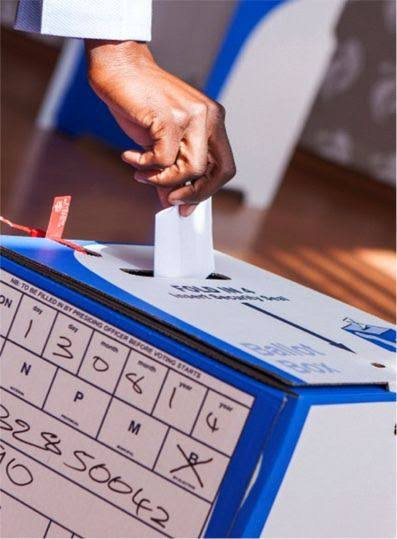
What Voters Need to Know for the Upcoming Elections
South African voters heading to the polls for the 2026 local government elections will be handed either two or three ballot papers, depending on the type of municipality where they are registered to vote. This approach is part of ongoing efforts to ensure clarity and fairness in electing public representatives at both metro and local municipal levels.
Different Ballot Papers in Metros and Local Municipalities
The Electoral Commission of South Africa (IEC) has confirmed that residents in metropolitan municipalities will receive two ballot papers, while those in local municipalities will be given three separate ballots.
- Metropolitan voters: Two ballots – one for the ward councillor (grey and white), and one for proportional representation (PR) among political parties (green).
- Local municipality voters: Three ballots – ward candidate (grey and white), local municipality PR (green), and district municipality PR (yellow).
The ward ballot (grey and white) is used to select a ward councillor, who could come from a political party or stand independently. The green PR ballot is specific to the municipality and contested solely by political parties. In local municipalities, the yellow PR ballot covers the district level and determines district representatives.
Why Different Ballots?
This system ensures that voters have direct input into their immediate ward leadership, as well as a say in proportional representation at both the metro or municipal and district levels. According to IEC officials, including national assistant manager for civic education Jerry Ramatlhodi, the use of multiple ballots supports transparent local governance and fair representation.
40% of district PR candidates are elected via the local municipality’s yellow PR ballot, giving local residents influence over wider district leadership.
Ballot Paper Colours and Styles
- Ward ballots: Grey and white
- Local PR and Metro PR ballots: Green
- District PR ballots: Yellow (only in local municipalities)
It’s important to note that in areas where more than 48 candidates are contesting, ballot papers may be organized with double columns for clarity.
Voters’ Addresses and Eligibility
Voters’ addresses are integral to the ballot distribution process. Every voter must have their address reflected on the voters’ roll; if not, they are required to provide it before participating. The address ensures that each voter receives the correct ballots for their local context.
“Some voters may not have given us an address or the address is missing. In that case, we first have to ascertain with the voter’s address before they can be issued with the ballots,” explained IEC’s Jerry Ramatlhodi.
Introduction of Voter Sequence Numbers
This election marks the first time that sequence numbers will be used to help election officials locate voters quickly on the roll. Each sequence number is unique, helping prevent errors that might occur with similar or common names.
The sequence number can be obtained by checking registration status via SMS or at the voting station. For those who haven’t checked beforehand, election officials will have access to the Voter Management Device (VMD) inside the station to provide this information in real time.
Where and How to Vote
Each voter must cast their vote at the voting station where they are registered. Uncertainty about where to vote can be resolved using official IEC channels:
- Send a WhatsApp message to 0600-88-0000
- SMS your ID number to 32810 (standard rates apply)
- Call the IEC helpline at 0800-11-8000
These methods will provide the voter’s designated voting station and their roll sequence number, making the voting process smoother and more efficient.
Ensuring a Smooth Election Day
The IEC urges all voters to check their details ahead of time and ensure they understand which ballot papers to expect. Clear instructions and colour-coded ballots are designed to make voting straightforward, whether in bustling metropolitan centres or smaller local communities.
As the country prepares for this significant election, staying informed about the process supports active and effective participation in local governance.
Follow Joburg ETC on Facebook, Twitter, TikTok and Instagram
For more News in Johannesburg, visit joburgetc.com
Source: citizen.co.za