News
Corruption, distrust and jobs: South Africa’s hidden tax
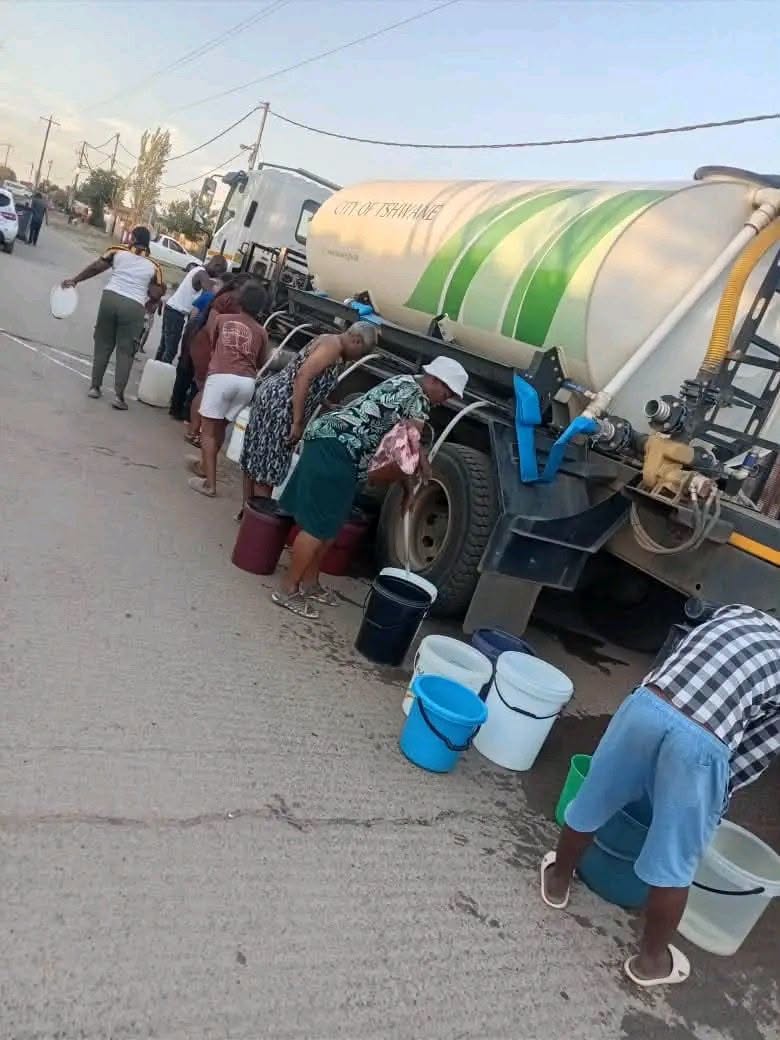
Corruption in South Africa is costing ordinary people more than they may realise, with wasted public money, unreliable services and barriers to business growth adding pressure to already stretched households.
That is the central argument emerging from responses to a recent opinion piece on fuel prices and the need for a job-creating economy. Readers raised concerns about corruption, public spending and the limits of short-term financial relief, pointing to a broader challenge facing the country: rebuilding trust while creating opportunities for employment.
Two responses stood out. One described corruption as an additional tax on ordinary South Africans. Another argued that while fuel price relief is welcome, it cannot solve the country’s unemployment crisis.
Together, these concerns highlight the connection between government accountability, economic confidence and the creation of sustainable jobs.
How corruption becomes a hidden tax
When public money is lost through corruption, mismanagement or waste, the financial consequences do not simply disappear.
The impact can be felt through higher municipal charges, unreliable electricity, deteriorating infrastructure and public services that fail to meet people’s needs. Money that could have supported schools, infrastructure or essential services may no longer be available for those purposes.
One reader raised concerns about alleged losses involving Johannesburg’s electricity provider and claims of corruption linked to free university education for financially disadvantaged students. These are serious allegations that require scrutiny, but the broader concern is clear: public resources must be managed responsibly and transparently.
For households already struggling with the cost of living, the consequences of poor public spending can add another layer of financial pressure.
Businesses face similar challenges. Unreliable infrastructure, crime, administrative delays and inefficient services can increase operating costs and make it more difficult to plan for growth.
Unlike a conventional tax, this hidden cost may not appear as a separate charge on a bill. Instead, people experience it through services that do not work as expected and expenses that could otherwise have been avoided.
Why corruption erodes public trust
The cost of corruption extends beyond money.
When citizens believe public funds are being wasted and those responsible are not held accountable, confidence in government begins to weaken.
People may question whether new policies will deliver their intended benefits, whether public money will reach the communities that need it most and who will ultimately bear the cost when programmes fail.
These concerns are not simply expressions of frustration. They reflect the importance of accountability in ensuring that public policies achieve meaningful results.
Even a well-designed policy can struggle to gain public support when the institutions responsible for implementing it lack credibility.
Restoring confidence requires more than announcements and promises. Citizens need to see public money accounted for, allegations investigated fairly, wrongdoing addressed and services delivered consistently.
Accountability must apply across government and political parties if people are to believe that the rules are being applied fairly.
Fuel price relief cannot solve unemployment
The second reader highlighted another important issue: temporary financial relief cannot replace the structural reforms needed to support economic growth and employment.
Lower fuel prices can provide welcome breathing room for households and businesses, particularly when other living costs remain high. However, cheaper petrol alone will not resolve the problems that prevent businesses from expanding and hiring.
The reader pointed to electricity supply, port operations, red tape and crime as continuing obstacles.
These challenges influence business decisions. Employers need reliable infrastructure, efficient transport systems, manageable regulations and a safe environment in which to operate.
When these conditions are uncertain, businesses may delay investment, limit their operations or decide against expansion.
The consequences extend to people looking for work, particularly young South Africans trying to secure their first jobs, as well as small business owners hoping to grow their operations.
South Africa needs immediate relief and long-term reform
South Africans facing financial pressure need practical assistance now. However, short-term relief should not become a substitute for addressing the deeper problems affecting the economy.
Government can help ease immediate pressure while also working to improve infrastructure, strengthen public institutions and create conditions that encourage businesses to invest.
These goals are connected. Reliable electricity, functioning transport infrastructure, clear regulations and effective public services can make it easier for businesses to operate and create employment.
Responsible management of public funds is equally important. When money is used effectively, it has a better chance of delivering the services and opportunities communities need.
Reform must also produce visible results. People need evidence that infrastructure is improving, regulations are becoming more workable and public resources are reaching their intended destinations.
Without that evidence, even potentially beneficial changes may struggle to win public confidence.
Rebuilding trust takes time
One reader also warned that economic growth may take years to materialise after reforms are introduced.
That is an important consideration. Changing policies does not automatically restore confidence or create jobs overnight.
Trust develops when people repeatedly see that institutions deliver on their commitments, rules remain consistent and those who misuse public resources face appropriate consequences.
Businesses also need confidence that the conditions affecting their operations will remain predictable enough to justify investment.
For ordinary South Africans, the real test is whether these changes improve everyday life. Reliable services, better infrastructure and more employment opportunities matter more than promises that never translate into tangible outcomes.
Jobs, accountability and a more secure future
South Africa’s economic challenges cannot be reduced to a debate about whether government should provide assistance or businesses should drive growth. Both effective public services and a functioning economy are necessary to improve people’s lives.
Government must manage public resources responsibly, while businesses need an environment that allows them to invest, expand and employ more people.
When public institutions are trusted and infrastructure works reliably, the conditions for economic activity improve. More employment opportunities can, in turn, give households greater financial security and independence.
The concerns raised by readers return to a simple set of questions: Does the electricity stay on? Can a business afford to hire? Are public funds being spent as intended? Can families see a realistic future for their children?
The answers will shape how South Africans judge economic policy and whether they believe meaningful change is possible.
Ultimately, tackling corruption, rebuilding trust and creating jobs are not separate challenges. They are closely linked parts of the work needed to build a stronger and more secure economy.
Follow Joburg ETC on Facebook, Twitter, TikTok and Instagram
For more News in Johannesburg, visit joburgetc.com
Source: IOL