News
Ramaphosa warns of corruption and killings ahead of South Africa’s 2026 elections
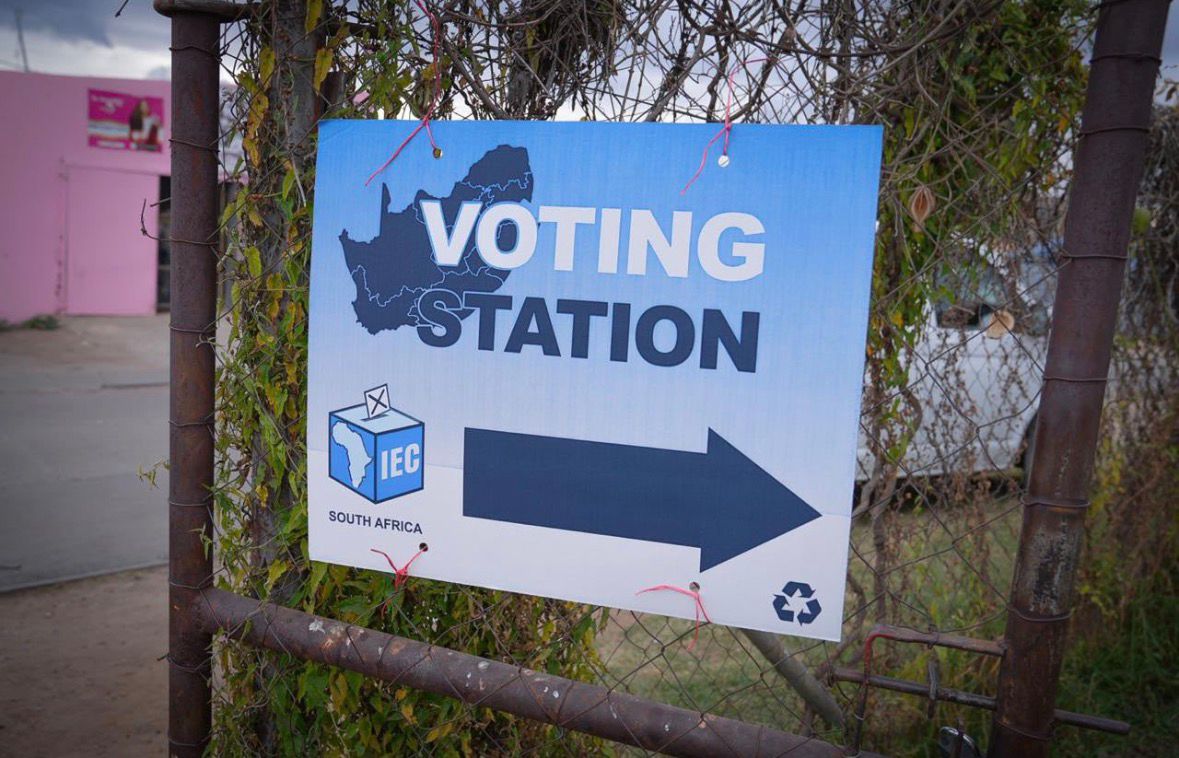
President Cyril Ramaphosa has warned that corruption, political violence and the alleged buying of councillors continue to undermine local government in South Africa, calling on voters to scrutinise candidates ahead of the 4 November local government elections.
In his weekly newsletter, released by the Presidency on Monday, 2 November, Ramaphosa highlighted concerns about business interests influencing councillors, corrupt tender arrangements and killings linked to competition for municipal power and resources.
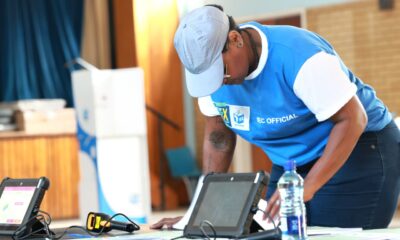
The elections will see 546 political parties and nearly 137,000 candidates contest positions across the country’s municipalities, presenting voters with an opportunity to demand better governance and service delivery.
Ramaphosa said the poll must not be undermined by violence, intimidation or political interference.
“As a nation, we must come together to ensure that the upcoming poll is not marred by acts of violence or intimidation,” he said.
Corruption and political violence threaten local government
Ramaphosa acknowledged that persistent municipal failures have weakened public trust in local government.
He pointed to alleged collusion between municipal officials and businesspeople to secure tenders for services that are substandard or never delivered.
The president also raised concerns about allegations that councillors are being bought by business interests, with procurement opportunities taking priority over the needs of residents.
He warned that disputes over municipal power and resources have had consequences beyond financial losses, including attacks and killings involving ward candidates, councillors and municipal officials.
These concerns have placed the conduct of political parties and candidates under scrutiny as communities prepare to vote.
Police prepare for election day
The president said the police had spent several months conducting risk assessments, operational planning and simulation exercises ahead of voting day.
According to Ramaphosa, the police had indicated that they were ready to help ensure a safe and peaceful election.
He also pointed to the continued participation of women and the growing number of independent candidates as signs of South Africa’s evolving democratic landscape.
Ramaphosa said every election since 1994 had been free and fair, adding that public confidence in the Electoral Commission of South Africa remained high.
However, he acknowledged that corruption, patronage and political power struggles continued to damage confidence in municipal governance.
New reforms aim to improve municipal performance
Ramaphosa said the newly launched White Paper on Local Government was intended to address structural weaknesses and improve how municipalities operate.
The proposed reforms include stronger financial management, more professional administration and greater accountability for municipal leaders and officials.
One proposal involves ring-fencing revenue generated from electricity and water sales so that the money can be reinvested in maintaining critical infrastructure.
The reforms also propose compulsory licensing for electricity and water providers, requiring them to meet minimum competency standards.
Where a municipality cannot perform certain responsibilities effectively, those functions could be transferred to another sphere of government or a capable entity.
Ramaphosa also stressed the need to improve revenue collection, reduce financial losses and strengthen spending controls.
Competence and accountability must come first
The president said municipal leadership and administrative positions should be filled based on qualifications and competence rather than political connections.
He also called for officials to be held accountable for the theft of public resources, procurement manipulation and failure to perform their duties.
Municipalities play a central role in providing essential services, including water, sanitation and electricity. Reliable infrastructure and stable communities are also important for attracting business investment and supporting economic growth.
The newly elected leadership of eight metropolitan municipalities, 44 district municipalities and 205 local municipalities will take office as government seeks to address weaknesses in the local government system.
Ramaphosa urges voters to choose carefully
With voting day approaching, Ramaphosa said improving local government was not solely the responsibility of national government. Voters also had a role to play in deciding who would lead their communities.
He urged registered voters to use their ballots to influence the future of their municipalities and demand leaders who prioritise development and service delivery.
“However we vote on Wednesday, let us strive for better, safer, cleaner and more prosperous communities. Let us vote for progress and development,” he said.
His warning comes as South Africans prepare to elect municipal representatives, with corruption, accountability and the delivery of basic services among the issues shaping the local government debate.
Follow Joburg ETC on Facebook, Twitter, TikTok and Instagram
For more News in Johannesburg, visit joburgetc.com
Source: IOL