education
High court blocks provinces from withholding school Norms and Standards funds
Eastern Cape High Court ruling stops provinces withholding Norms and Standards funds for underprivileged schools, court finds 33.75% cut unlawful.
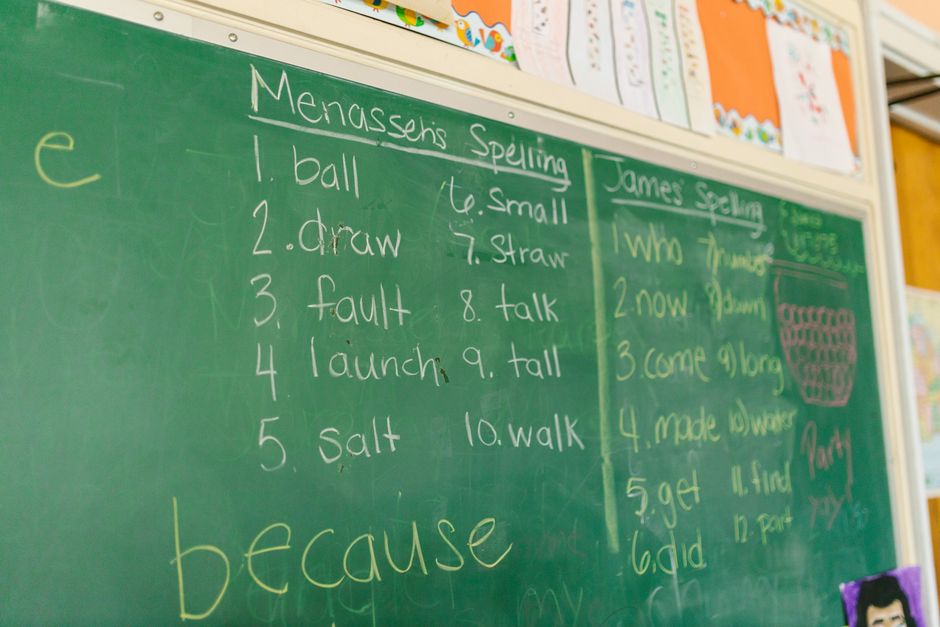
An Eastern Cape High Court ruling this week has set a precedent preventing provincial education departments from withholding Norms and Standards funds meant for underprivileged schools, according to IOL. The judgment found the decision to reduce annual allocations to schools unlawful and unconstitutional.
What the court decided
The court ruled in favour of an application brought by the Makhanda Circle of Unity and three schools. Judge Thembekile Malusi declared the department’s decision to withhold 33.75% of schools’ Norms and Standards funds unconstitutional, unlawful and invalid, IOL reports.
Scale of the reduction and its impact
According to IOL, the Eastern Cape Department of Education took the decision in 2020 to reduce the annual budget allocated to each school, which the Legal Resources Centre (LRC) said led to learners being systemically underfunded compared with counterparts in other provinces.
IOL reports it is estimated the department withheld R6 billion from all schools that are dependent on government funds to operate. The applicants challenged the department’s withholding of 33.75% of Norms and Standards allocations since 2020.
IOL also reports that during the 2020/21, 2021/22 and 2022/23 financial years, schools in the Eastern Cape were receiving as little as half of their counterparts in other provinces. The LRC said that during the 2021/2022 financial year the target was set at R1 466 per learner per year, but schools only received R816.
Responses from school bodies, unions and the department
Matakanye Matakanya, secretary-general of the National Association of School Governing Bodies (NASGB), said the judgment was a victory for underprivileged schools and described the withholding of funds as a “very, very serious matter.” He said:
“That money is supposed to cater for resources for children in schools. You may find that some schools lack chairs, forcing children to sit on bricks in classrooms,”
and noted that the funds are also used to hire security and address overcrowding.
Department spokesperson Malibongwe Mtima acknowledged the department had acted unlawfully by withholding the funds without consulting schools but told the court the withheld funds were used for central procurement of Learner Teacher Support Materials (LTSM). He said:
“The withholding of the 33.75% allocation was intended to facilitate the Department’s central procurement of Learner Teacher Support Materials (LTSM) for schools.”
Mtima added that the applicant schools and other affected schools received their LTSM through that process and that the department has agreed to consult schools before future central procurement.
Legal arguments and limits of the court order
The LRC argued the funds are meant to equip each school for day-to-day teaching and ensure access to learning materials equal to the number of learners enrolled. It said any temporary deviation from allocated funds should follow consultation with schools.
LRC lawyer Claire Rankin told the court that the organisation had sought a refund of withheld funds but that delays meant the court could not order repayment. She said:
“(Refunding) was the relief that we were originally seeking, but the problem is that there was a significant delay between those financial years and the budget that was available to the department when the case was eventually heard.”
Rankin said the court found the department’s decision to fund learners below the national per learner norm was unlawful and that the department must consult schools before withholding funds.
Union reaction and broader concern
SADTU spokesperson Nomusa Cembi told IOL that withholding of these funds occurred in other provinces as well and said the practice undermines learners’ right to access quality education. She said:
“This fund is for buying stationary and making sure that the school functions and it is illegal to divert it because it is taking away the right of the learners to access quality education. The more the funds are cut, the more schools scramble for resources, leading to situations where teachers use their own money to buy stationery and help here and there.”
What the ruling means going forward
According to IOL, the judgment sets a precedent that provincial education departments must follow when considering any central procurement or reallocation of Norms and Standards funds earmarked for schools. The court ordered that the department’s decision to withhold a portion of allocations was unlawful, and it said future withholding must be preceded by consultation with affected schools.
Follow Joburg ETC on Facebook, Twitter, TikTok and Instagram
For more News in Johannesburg, visit joburgetc.com
Source: iol.co.za