Health
Diabetes can damage eyesight before symptoms appear
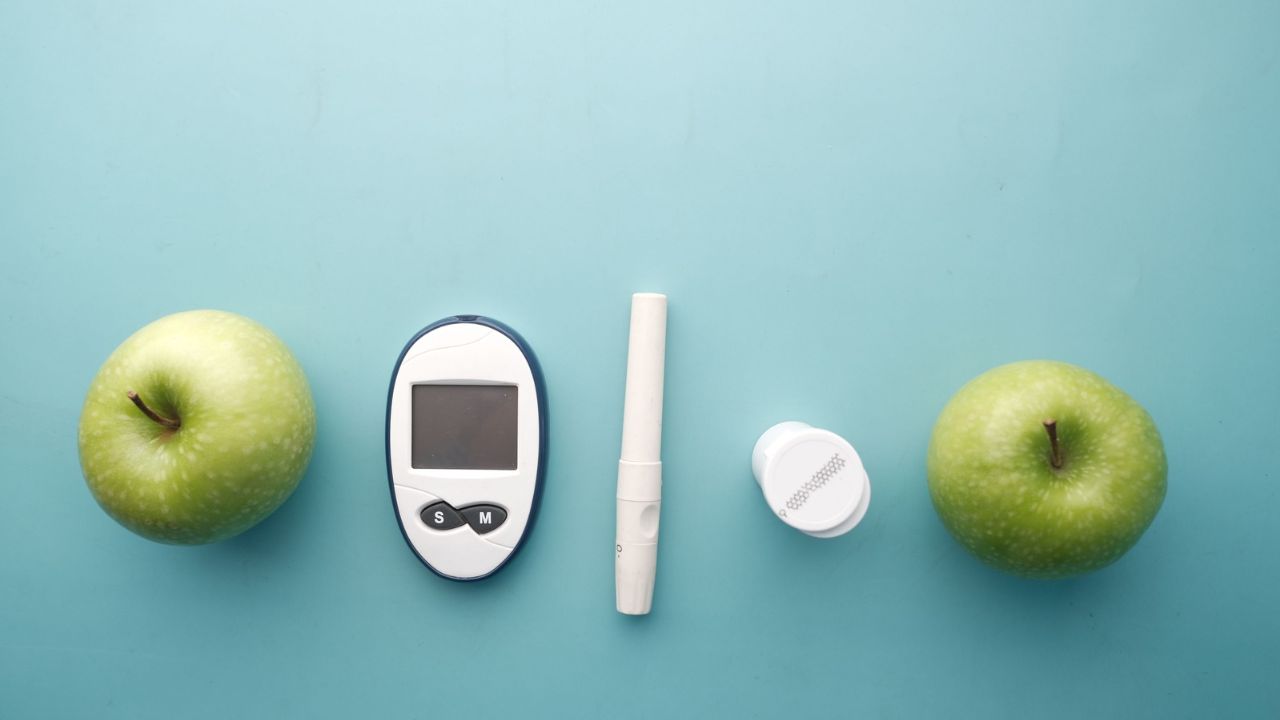
With more than 2.3 million working-age adults in South Africa living with diabetes, eye specialists are urging patients to pay closer attention to a complication that can progress without obvious warning signs.
Ahead of World Diabetes Day this weekend on Saturday, 14 November, the Ophthalmological Society of South Africa (OSSA) is calling for regular retinal examinations to become a standard part of diabetes care.
The organisation warns that diabetic retinopathy can damage the retina long before a person notices changes in their vision.
The condition develops when high blood sugar damages the small blood vessels supplying the retina, the light-sensitive layer at the back of the eye. If it is not detected and treated in time, it can lead to serious vision impairment and, in some cases, blindness.
The importance of screening has also featured in previous local awareness coverage. A report on the risk of diabetic retinopathy and the need for early detection highlighted that the condition can remain unnoticed until it has progressed.
Who should have their eyes checked?
OSSA recommends that people diagnosed with type 2 diabetes have a retinal examination when they receive their diagnosis, as eye damage may already be present. Further examinations should take place at intervals advised by their healthcare professional.
People with type 1 diabetes also need a screening plan, as the society recommends that children with diabetes begin retinal screening from the age of 11, once they have been living with the condition for between two and five years.
Women with diabetes who are planning a pregnancy or are already pregnant may require a separate screening schedule, making it important to discuss eye examinations with their treating doctor.
Lamprecht is also encouraging patients to keep track of their retinal examination results.
‘Your retina score is the grade your diabetic eye examination gives. Ask for it, write it down, and track it alongside your blood sugar and blood pressure,’ he advised.
The score provides a record of the findings from an eye examination and can help patients and healthcare professionals monitor changes over time.
OSSA says preventing avoidable sight loss requires action from patients, families and healthcare professionals.
General practitioners and nurses are encouraged to refer patients for retinal screening when diabetes is diagnosed, record the results and ensure follow-up examinations take place.
Optometrists can also play an important role, as they may be among the first healthcare professionals to identify signs of previously undiagnosed diabetes.
Lamprecht recommends that they examine the retinas of patients with diabetes and refer suspected cases of diabetic eye disease to an ophthalmologist.
He also supports expanding access to retinal photography, particularly in communities where specialist eye-care services are limited.
‘AI does not replace your eye-care professional, but it does enable a GP, nurse or optometrist with a camera to screen many more people, faster, and refer those at risk for treatment sooner,’ he said.
Signs of diabetic retinopathy to look out for
Although early-stage diabetic retinopathy may have no noticeable symptoms, changes can develop as the condition progresses.
These may include:
- Spots or dark, cobweb-like strings floating across the field of vision.
- Dark or empty areas in a person’s vision.
- Blurred eyesight.
- Other noticeable changes in vision.
Anyone living with diabetes who has not yet had an eye examination, or who notices worsening eyesight, should contact a medical professional promptly. Patients should not wait for symptoms before arranging routine screening.
Treatment depends on the stage and severity of diabetic retinopathy. More advanced cases may require medication injections into the eye, laser therapy or surgery.
Managing blood sugar and blood pressure remains an important part of reducing the risk of developing the condition and slowing its progression. OSSA also highlights the role of regular physical activity, balanced nutrition, adequate sleep and avoiding smoking.
Lamprecht recommends at least 30 minutes of daily exercise, including activities such as brisk walking and resistance training.
He also advises limiting sugary drinks and highly processed foods while including vegetables, legumes, whole grains, healthy oils and protein in meals.
Adults are encouraged to aim for seven to eight hours of sleep each night.
People living with diabetes should continue following their prescribed treatment plans and discuss any changes to medication or blood sugar management with their healthcare team.
Patients can find information about common eye conditions and locate an ophthalmologist through the Ophthalmological Society of South Africa’s patient information page.
Follow Joburg ETC on Facebook, Twitter, TikTok and Instagram
For more News in Johannesburg, visit joburgetc.com