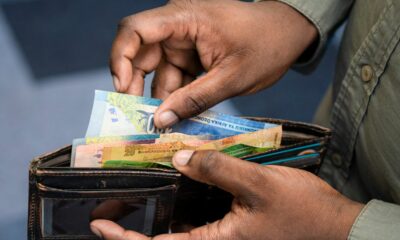
According to recent data from Standard Bank, nearly half of South Africans are left with less than R1,000 before payday. This alarming trend affects many people, from middle-income earners to private banking clients. The findings reveal a growing financial struggle that warrants attention.
Key Findings: Financial Strain of Less Than R1,000 Before Payday
Standard Bank analyzed 402,000 accounts and found concerning statistics:
- 21% of salary earners had R1,000 or less the day before payday.
- 28% reported negative balances or relied on overdrafts.
- Even private banking clients were impacted, with 1 in 10 showing negative balances before payday.
Kabelo Makeke, head of personal and private banking at Standard Bank, explained the situation. Higher incomes can lead to more disposable cash, but they also increase the risk of debt. This is often due to lifestyle inflation, where rising earnings lead to higher spending that outpaces income growth.
Balancing Income vs. Lifestyle: The Challenge of Living with Less than R1,000 Before Payday
Finding the right balance between income and lifestyle is increasingly challenging. Many middle-income earners struggle to make their salaries last until the next payday. However, even high earners are not immune to financial strain. Makeke emphasized that lifestyle inflation can trap individuals. When incomes rise, spending often increases without a corresponding boost in savings.
People frequently spend large portions of their income early in the month. This behavior leaves little to cover unexpected expenses later on. Therefore, adopting better financial habits is essential for those living with less than R1,000 before payday.
Solutions: Small Changes for Financial Resilience
To address these challenges, Makeke recommends several actionable steps:
- Track your expenses to understand your spending habits.
- Create a budget that aligns with your long-term financial goals.
- Prioritize emergency savings to reduce reliance on credit for unexpected costs.
These strategies can help break the cycle of overspending and promote financial resilience.
Rising Cost of Living: An Additional Burden
The financial strain is exacerbated by rising living costs. In September, the average household food basket increased by nearly R30. Staples like potatoes, bananas, and maize meal saw significant price hikes, further stretching already tight budgets.
In summary, many South Africans face the reality of having less than R1,000 before payday. However, achieving financial stability is possible through mindful spending, budgeting, and prioritizing savings.