News
BRICS+ Currency Discussions Resurface: What’s Next for the ‘Euro of the South’?
BRICS+ is revisiting the idea of a joint currency to reduce US dollar reliance, with recent discussions and reforms potentially impacting South Africa and the rand.
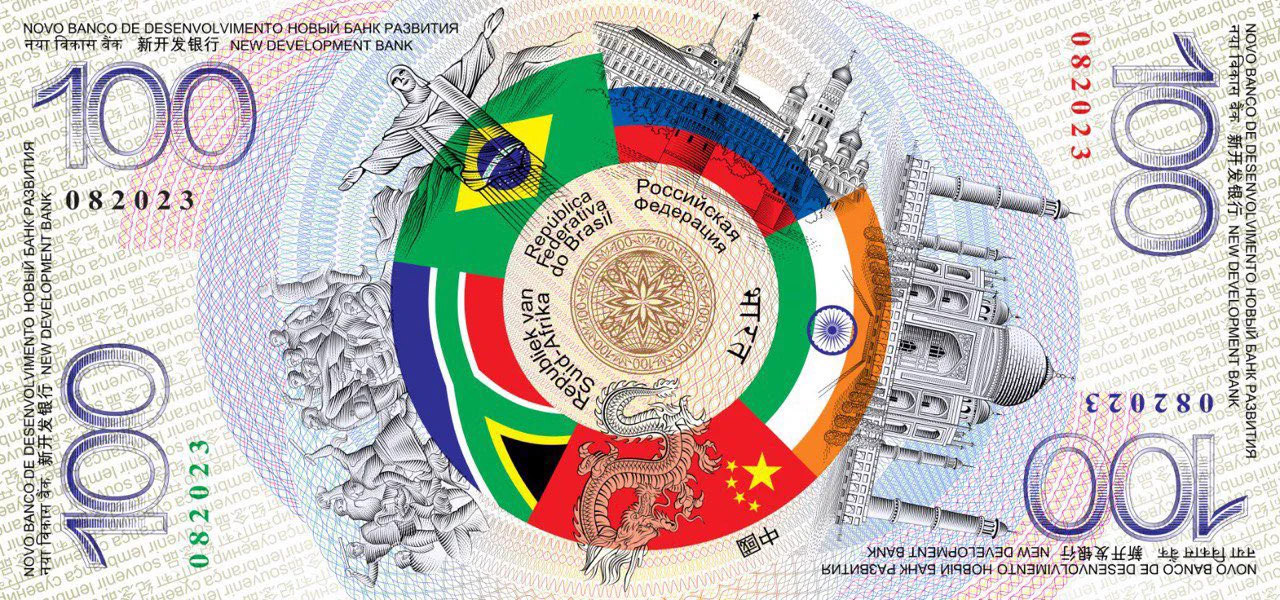
Renewed Momentum for a Shared BRICS+ Currency
The prospect of a common BRICS+ currency has returned to the global financial conversation, following the release of a new report that champions the idea of reducing reliance on the US dollar for cross-border trade. This renewed discussion comes three years after the topic generated significant debate at the Johannesburg BRICS Summit, where the possible future of the rand and other local currencies was questioned in light of a so-called ‘Euro of the South’.
Key Insights from the Latest Report
In late October 2026, a new paper co-authored in part by Jim O’Neillthe economist credited with coining the BRICS acronymsuggested that the bloc continue pushing for a joint cross-border payment mechanism. The document, released by the non-profit BRICS+ Thinking group, outlines how
such a currency could help member nations lower their dependence on the dollar in foreign transactions.
BRICS Expands: New Members and Changing Dynamics
Since 2023, BRICS membership has grown significantly. What began with five countries now stands at a confirmed ten, with Egypt, Ethiopia, Iran, the UAE, and Indonesia joining the original bloc. Saudi Arabia received an invitation, but its position remains unclear.
Outcomes of the Latest BRICS Summit
The most recent summit, held in New Delhi in September, marked the 18th gathering of BRICS leaders. During this event, they jointly adopted the 140-paragraph ‘New Delhi Declaration’. This document promotes faster, more affordable cross-border payments, encourages settlement in local currencies, and supports the creation of an expanded task force for payment systems. However, it stopped short of fully endorsing the implementation of a common BRICS+ currency, making it clear that more groundwork is still needed before such a goal can be realized.
Geopolitical Factors Accelerate Currency Talks
Recent years have seen sanctions imposed on Russia and escalating tensions involving Iran, the US, and Israel. These events, combined with repeated threats from the US administration to enforce high trade tariffs on countries using alternatives to the dollar, have accelerated BRICS members’ efforts to cut dollar reliance.
The Role of Central Banking and Financial Infrastructure
Jim O’Neill’s widely recognized perspective is that a central challenge facing BRICS+ currency ambitions is creating a joint central bank to coordinate monetary policy and oversight. While the ‘New Delhi Declaration’ did not establish such an institution outright, it was seen as laying important “plumbing” for a potential future bank by supporting linked payment systems, local currency trade, and bank-to-bank mechanisms to bolster trade within the bloc.
Implications for South Africa and the Rand
Despite the momentum, no immediate changes are expected for the South African rand as a direct result of these talks. South Africans, however, are watching with interest as the US has recently removed AGOA trade privileges and continues to threaten tariffs on nations considering alternatives to the dollar. In this context, the appeal of a BRICS+ currency grows, as South Africa seeks to foster economic relationships beyond the traditional US market.
The Road Ahead: Incremental Steps Toward a Common Currency
As the BRICS+ nations continue debating the best path forward, observers note that the group has established building blocks for enhanced cooperation in payments and currency usage. This process may be gradual, involving further experimentation with local currency settlements, expanded payment networks, and potentially, one day, the creation of a joint currency framework.
- BRICS+ considers decreasing dollar dependence, aiming for more robust financial sovereignty.
- Recent summits have focused on payment systems and cross-border trade reforms, paving the way for future integration.
- South Africa and other members face external pressures that may accelerate exploration of non-dollar alternatives.
Why the BRICS+ Currency Debate Matters
The ongoing conversation around a BRICS+ currency reflects wider shifts in global financial power and the desire among emerging markets to assert greater autonomy. While nothing changes overnight for South Africa or its currency, this evolving discussion is likely to shape trade and economic strategy in the region for years to come.
For now, the idea of a ‘Euro of the South’ remains an aspiration but with new reports and summits keeping the issue alive, the steps toward a joint currency continue, watched with interest in financial and political circles.
Follow Joburg ETC on Facebook, Twitter, TikTok and Instagram
For more News in Johannesburg, visit joburgetc.com
Source: thesouthafrican.com