News
Jacinta Ngobese-Zuma Claims Immigration Issues Cost Parties Votes in 2026 Elections
March and March leader Jacinta Ngobese-Zuma warns parties that ignoring illegal immigration led to voter losses in the 2026 polls and could cause removal in 2029.

Immigration Debate Shapes South Africa’s Political Landscape
Jacinta Ngobese-Zuma, leader of the March and March movement, has asserted that political parties suffered losses in the 2026 Local Government Elections because they ignored public concerns about illegal immigration. In a message following the 4 November polls, Ngobese-Zuma stressed that the outcomes should be a wake-up call for parties that failed to engage with this contentious issue.
Post-Election Reflections and Warnings
After the votes were counted, Ngobese-Zuma stated,
“Immigration was a decider in these elections, and we told you so; you chose to go against the will of the people!”
She cautioned that unless political leaders address what she described as the electorate’s concerns, parties risk being voted out entirely in the 2029 general elections. According to her, the decision by several parties to frame immigration as a “Jacinta issue” rather than a broad voter concern was a significant miscalculation.
March and March Movement: Origin and Focus
The March and March movement, founded in March 2024 and led by Ngobese-Zumaa former Vuma FM radio presenter from KwaMashu, KwaZulu-Natalpositions itself as an advocate for stricter immigration enforcement. The group organised its first protest in Durban on 24 March 2025, expanding its demands to include deportation of undocumented immigrants, stronger border controls, prioritisation of jobs for local citizens, and tighter regulation of e-hailing and delivery services.
Ngobese-Zuma firmly rejects accusations of xenophobia, maintaining that the movement advocates the enforcement of immigration law without targeting people based on nationality.
Controversy and Criticism
Despite these assertions, March and March has faced criticism from human rights groups and political opponents, who allege the movement incites xenophobia. Protests have, at times, been associated with violence, the torching of vehicles, alleged attacks on foreign nationals, and intimidation of street traders. These incidents have drawn widespread concern and increased scrutiny from authorities and civil society organisations.
Legal Challenges and Temporary Suspension of Marches
Demonstrations organised by the group have been paused following a Durban High Court interim order on 30 October. Judge Peter Olsen granted the order after an urgent request from Acting Police Minister Firoz Cachalia and KwaZulu-Natal Police Commissioner Lieutenant General Nhlanhla Mkhwanazi. Police cited escalating violence at marches and intelligence reports about a potential plan to attack the Refugee Reception Centre in Durban.
The court order has suspended all demonstrations until 6 November, coinciding with the election period. The ruling does not constitute a finding of wrongdoing against Ngobese-Zuma. When the matter returns to court on 18 January 2027, potential adjustments to protest limitations could be considered.
Once protests resume, strict conditions will apply: marches are restricted to 10am to 3pm on designated routes, with bans on weapons (including sticks and knobkerries), masks or attire resembling police or military uniforms, and any violence or looting.
Outside the courthouse, March and March attorney Xolani Zuma informed supporters that protests would resume post-6 November, urging them to comply fully with the court’s conditions.
Election Politics and Responses from Parties
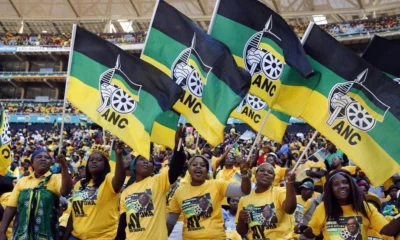
Before the election, Ngobese-Zuma called on supporters not to vote for the ANC, criticising the government’s apparent lack of engagement with the movement’s concerns over a period of more than 21 months. On election day, MK Party president Jacob Zuma met with March and March leadership to acknowledge their efforts related to immigration reform.
The MK Party expressed its stance, stating that all undocumented foreign nationals must either regularise their presence in the country legally or return to their home countries through proper channels. The party also emphasised that enforcement of immigration law must not devolve into xenophobia, violence, or discrimination.
Broader Implications for South African Politics
The prominence of immigration as a campaign issue in the 2026 elections underscores its centrality to South Africa’s current political debates. Ngobese-Zuma and her movement interpret the recent electoral results as validation that immigration policy is now a driving force in public opinion and party fortunes.
Looking ahead to the next general elections in 2029, political observers note that parties may be compelled to reconsider their strategies and rhetoric regarding immigration if they hope to secure support from increasingly vocal sectors of the electorate. As policy debates continue, questions around legality, enforcement, and social cohesion remain at the forefront of national discussion.
Follow Joburg ETC on Facebook, Twitter, TikTok and Instagram
For more News in Johannesburg, visit joburgetc.com
Source: iol.co.za