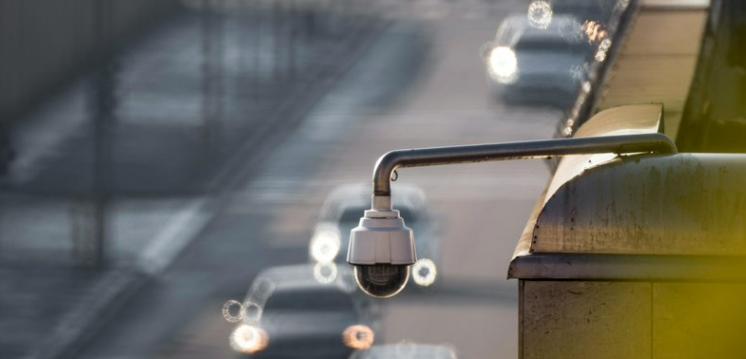
There is a new kind of traffic cop quietly watching Cape Town’s roads, and it does not wear a uniform or blow a whistle.
The City of Cape Town has begun testing artificial intelligence-powered cameras that can pick up on some of the most common driving offences. From motorists skipping seatbelts to those sneaking a glance at their phones behind the wheel, the system is designed to spot it all in real time.
It is still early days, but the trial hints at how technology could reshape the way road rules are enforced in South Africa.
A Smarter Eye On The Road
According to the City, the AI system can identify several violations at once. These include drivers not wearing seatbelts, using mobile phones while driving, and even crossing solid white lines.
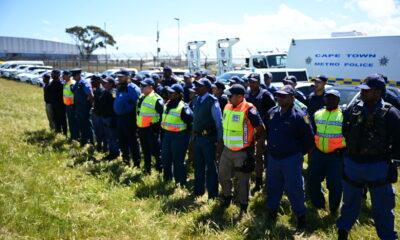
Traffic Services spokesperson Kevin Jacobs says the technology is being explored as a support tool rather than a full replacement for officers on the ground. For now, there are no firm plans to roll it out across the city.
Still, Jacobs made it clear that the door is not closed. As technology evolves, so too could the way traffic laws are enforced in Cape Town.
From Roadblocks To Round-The-Clock Monitoring
For decades, South African drivers have grown used to a familiar rhythm. Roadblocks on a Friday night, visible patrols on busy routes, and the occasional fine handed out by an officer.
AI could change that entirely.
Barry Berman, CEO of Fines SA, believes the shift toward automated enforcement is a turning point. Unlike human officers, AI systems do not get tired, distracted or selective. They operate continuously, recording offences as they happen without negotiation or warning.
That consistency could have a powerful effect on behaviour. Instead of worrying about being caught at a specific checkpoint, drivers may begin to assume they are always being monitored.
What This Means For Cape Town Drivers
For motorists in Cape Town, the message is simple. The rules are not changing, but the way they are enforced might be.
Seatbelt laws and restrictions on cellphone use have long been in place across South Africa, yet compliance remains uneven. The introduction of AI tools could push drivers to take these regulations more seriously, especially if enforcement becomes more predictable and less dependent on chance encounters with traffic officers.
At the same time, the idea of constant monitoring raises questions about privacy and how far technology should go in policing everyday behaviour on the road.
A Glimpse Into The Future Of Road Safety
While the City has not committed to a full rollout, the trial signals a broader global trend. Cities around the world are increasingly turning to AI to improve safety, manage traffic, and reduce human error in enforcement.
In a country where road accidents remain a serious concern, tools that encourage safer driving habits could make a meaningful difference.
For now, Cape Town’s AI cameras remain in testing mode. But if the results prove effective, the days of relying solely on roadblocks and blue lights may soon give way to something far more constant and far less forgiving.