News
Extortion gangs targeting foreign‑run spaza shops in Cape Town
According to IOL, extortion gangs in Cape Town are targeting foreign‑owned spaza shops with protection fees, linked to shootings and rising protection‑racket cases.
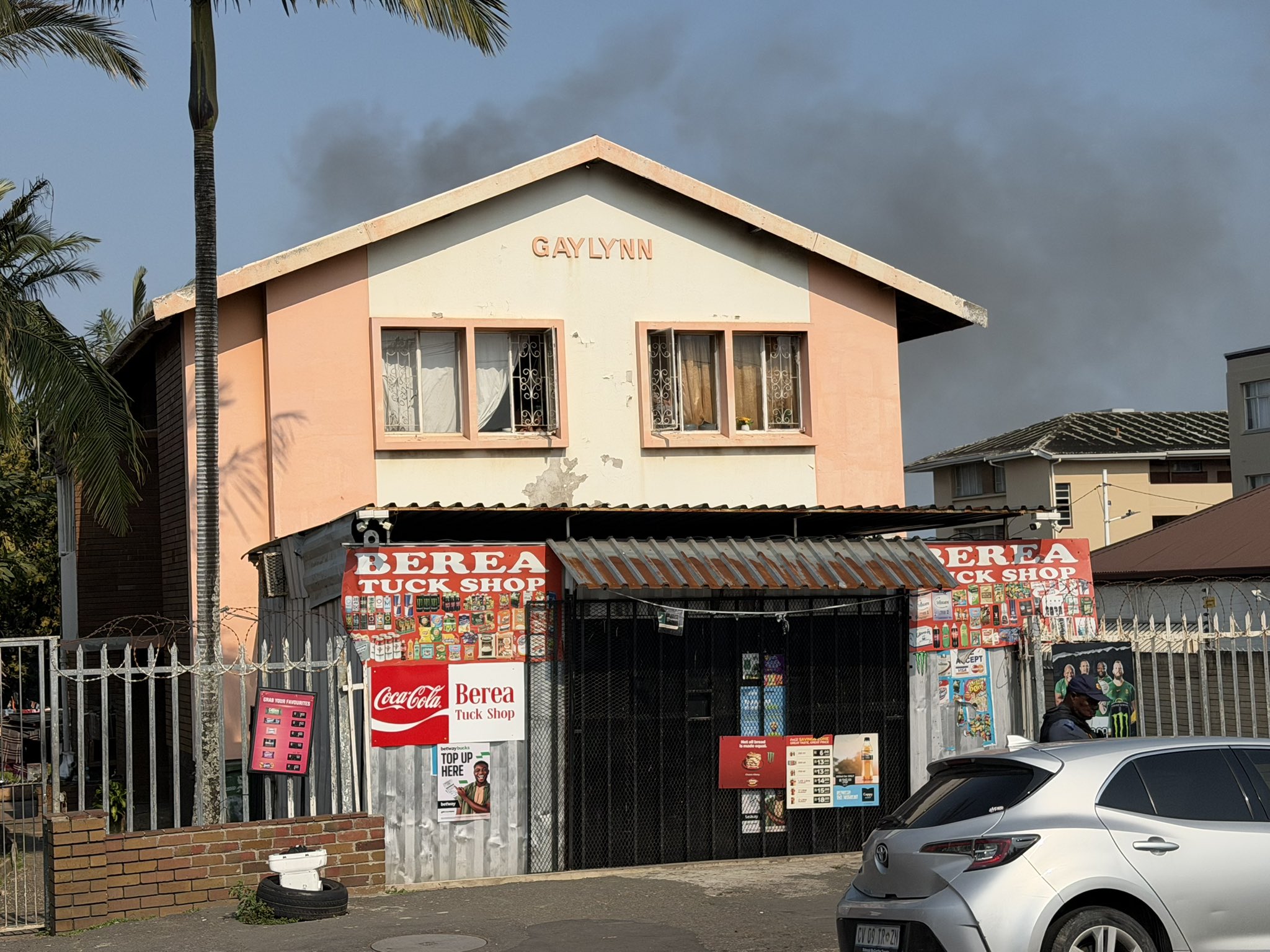
According to IOL, extortion gangs in Cape Town are increasingly targeting spaza shops run by foreign nationals, demanding regular “protection” payments and linking the practice to recent shootings and a sharp rise in protection‑racket reports.
Who is being targeted and how
According to IOL, immigrant‑run convenience stores notably those run by Ethiopians and Somalis have been singled out by extortion networks that issue letters demanding monthly payments. In one case reported to court, a South African and his two sons, one of them a police officer, appeared before a Cape Town magistrate last month accused of extorting about 50 such shops.
According to IOL, a Somali was also accused of collecting “protection fees” from shopkeepers outside Stellenbosch.
Violence and fear linked to extortion
According to IOL, the targeting of immigrant‑run shops followed an earlier outbreak of xenophobic unrest in which scores of such businesses were looted, torched or forced to close during protests demanding the departure of undocumented foreign nationals.
According to IOL, police linked shootings at spaza shops in July to extortion: at least two foreign nationals were among four people killed in a shooting at a spaza in Franschhoek, and a 31‑year‑old Somali spaza owner in Bonteheuwel was shot dead while serving customers.
Community leaders and investigators describe tactics
According to IOL, community policing forum head Fransina Lukas said foreign shopkeepers are often seen as easier targets because they are more frightened than South Africans. Lukas described a pattern where refusal to pay is followed by runners sent to rob businesses or harass customers, escalating to killings in some cases.
“The foreigners are the easier targets because they are scared, more scared than South Africans,” Fransina Lukas told AFP and cited by IOL.
According to IOL, community leader Mawande Jara said Somali‑run shops in Khayelitsha are particular targets, with extortionists sometimes asking for bank statements to set fees. Jara also told reporters that victims often do not report extortion because they fear retaliation and suspect some police officers may inform gangs.
“If you report them to the police, then in no time these guys are aware that you’ve lodged a case against them,” Mawande Jara told AFP and as reported by IOL.
According to IOL, organised crime investigator Chad Thomas said the use of “heavies for hire” can be a method for settling disputes outside the courts and that this form of extortion is increasing as business owners grow frustrated with slow civil processes.
Statistics and official comments
According to IOL, police statistics showed the Western Cape accounted for nearly half of 112 protection‑racket cases registered nationally in April–June this year and recorded the highest number of murders at spaza shops 30 out of 76. The province also registered the highest number of gang‑related murders in the same period.
According to IOL, acting police minister Firoz Cachalia told reporters in June that extortion crime “has increased exponentially in the last few years” and that authorities do not yet have all the answers to the problem.
What this means for shopkeepers
According to IOL, shopkeepers and community groups describe a climate of fear in which paying protection fees is sometimes seen as the only immediate option, while reporting to police can increase vulnerability if details leak to criminals.
The information in this article is drawn from an IOL report.
Follow Joburg ETC on Facebook, Twitter, TikTok and Instagram
For more News in Johannesburg, visit joburgetc.com
Source: iol.co.za