Home Affairs backtracks on permanent residence hopes for ZEP holders
Confusion over residency options leaves permit holders waiting again
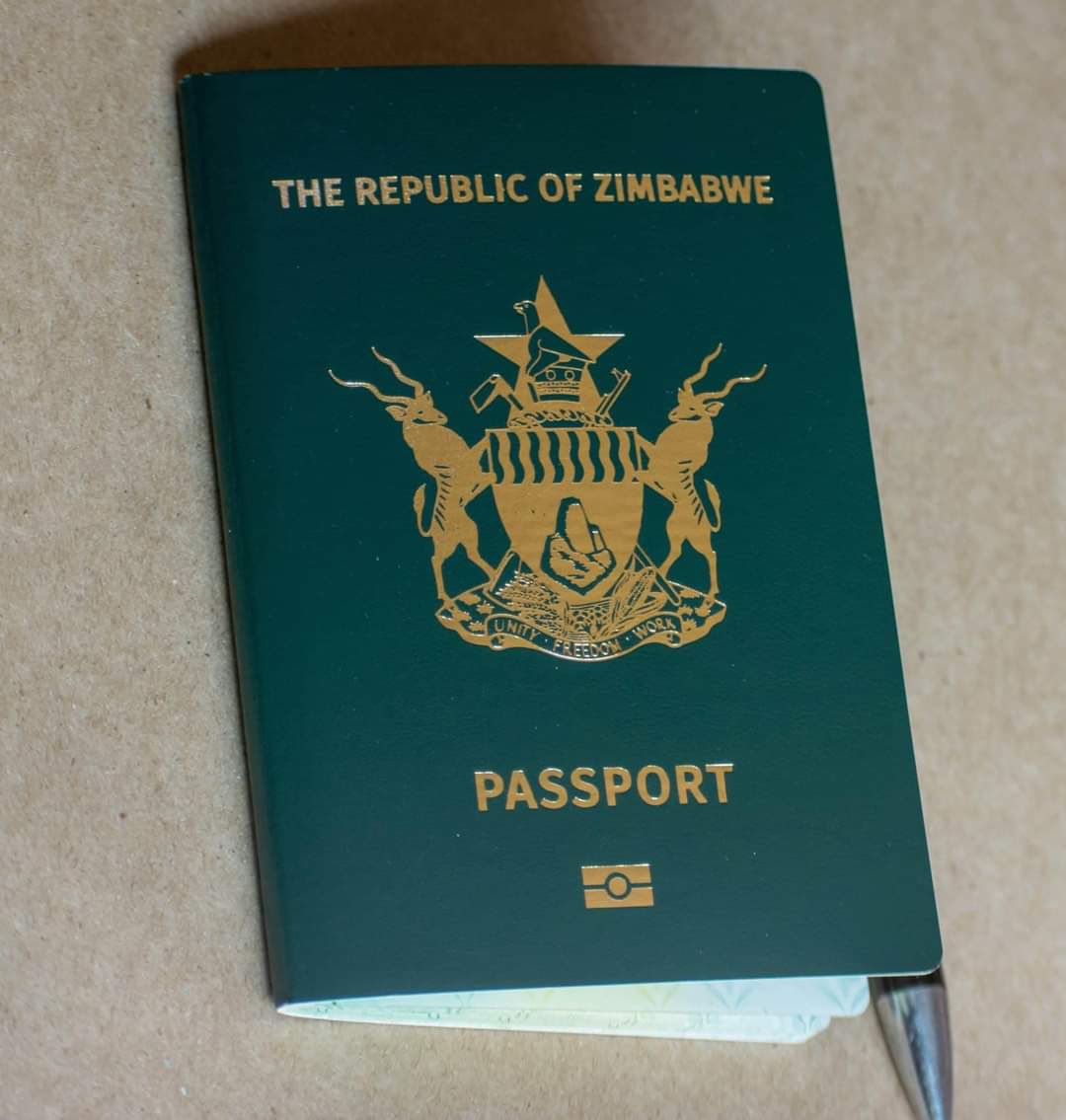
Thousands of Zimbabwean and Basotho nationals living in South Africa have been left with fresh uncertainty after the Department of Home Affairs clarified that exemption permit holders still cannot apply for permanent residence.
The statement follows public reports earlier this week suggesting Zimbabwean Exemption Permit (ZEP) holders and similar Lesotho permit holders would soon be able to seek permanent residency.
For many families who have lived, worked and raised children in South Africa for years, the correction is another reminder that their future remains unresolved.
What caused the confusion?
The uncertainty appears to have followed comments by Deputy Home Affairs Minister Njabulo Nzuza, who said permit holders should explore “other legal pathways” if they want to remain in the country.
That sparked widespread interpretation that permanent residence had become an option.
But Home Affairs has now stepped in to clarify matters, saying consultations are still under way and no official status change has been made.
The department stressed that, under the current conditions of the permits, ZEP holders do not qualify for permanent residence permits.
What is the current deadline?
For now, the latest extension remains in place.
The most recent announcement gave permit holders until 29 May 2027, extending the long-running programme while government reviews policy and public submissions.
That means permit holders can continue under the current framework, but there is still no final answer on what comes after that date.
Why ZEP matters so much
The Zimbabwean Exemption Permit system has existed in different forms for 17 years.
It began in 2009 during Zimbabwe’s economic and political crisis, when many nationals crossed into South Africa seeking work and stability. South Africa responded with a special permit system allowing people to live and work legally.
Over time, the permit changed names and was repeatedly extended, creating a semi-permanent reality for many people who built their lives here.
Children were born, businesses started, jobs secured and communities formed.
That is why every policy update triggers such strong reaction.
Courts already forced a rethink
Government previously planned to end the permits, but a 2023 court ruling found the discontinuation process unconstitutional.
That judgment forced Home Affairs to reconsider the approach and revise policy steps.
It also highlighted a broader issue in South African immigration policy: temporary systems often become long-term realities without clear pathways forward.
Public reaction: frustration and fatigue
On social media, many ZEP holders and supporters say they are exhausted by repeated uncertainty.
Some ask how people who have contributed taxes and labour for years can still have no durable status. Others argue South Africa must balance compassion with immigration controls and job market pressures.
Both views reflect a complex national debate.
South Africa faces high unemployment and strained public services, but it also depends on migrant labour in key sectors and hosts communities deeply woven into local life.
What Home Affairs says comes next
The department says consultations on a revised white paper covering citizenship, immigration and refugees are continuing.
A detailed report with recommendations is expected to go to Cabinet by the end of the 2026/27 financial year.
That suggests no immediate breakthrough is coming.
The real issue now
This is no longer just an administrative permit matter.
It is about certainty for teachers, domestic workers, entrepreneurs, students and parents who have spent years contributing to South African society while living in legal limbo.
For now, ZEP holders have more time but not yet the long-term security many were hoping for.