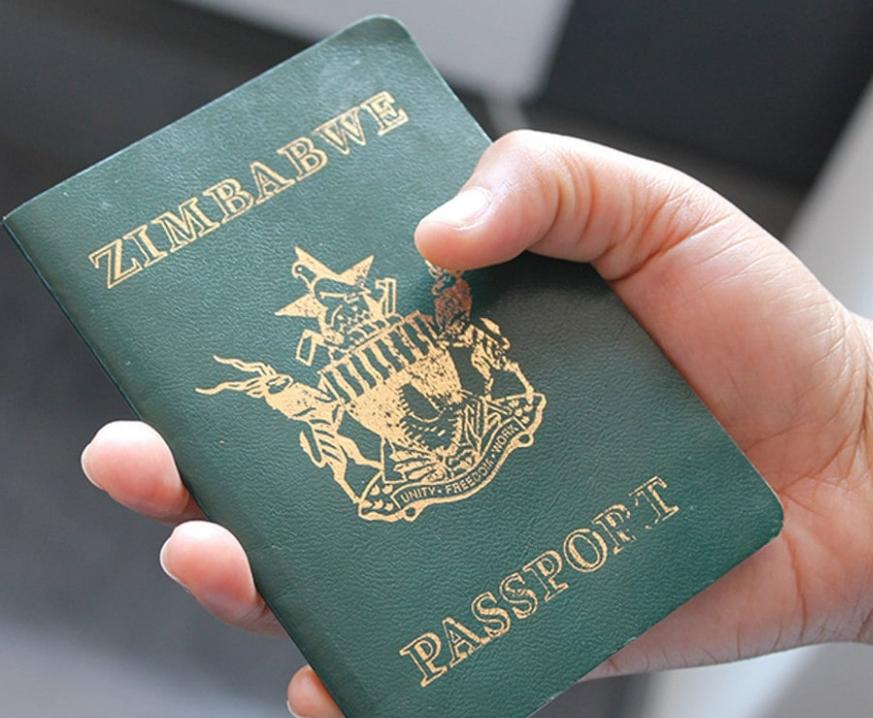
For thousands of Zimbabwean nationals living and working in South Africa, uncertainty around their legal status has once again taken centre stage. But according to the Department of Home Affairs, there is no immediate cause for alarm.
After days of confusion sparked by public comments linked to the country’s evolving immigration policy, officials have stepped in to clarify one key point. The rules around Zimbabwe Exemption Permits are not changing right now.
Permits Still Valid Until 2027
Home Affairs has confirmed that all Zimbabwe Exemption Permits remain valid until 29 May 2027. This follows an extension granted in June 2025, giving permit holders more time before any major policy shift takes effect.
The department says this position has not changed, despite recent discussions around the Revised White Paper on Citizenship, Immigration and Refugee Protection.
For many families, this confirmation offers a degree of short-term stability. ZEP holders form a significant part of South Africa’s workforce, particularly in sectors like retail, hospitality, construction and domestic work.
No Path To Permanent Residency
While the permits remain valid, Home Affairs has reiterated an important limitation. ZEP holders do not qualify for permanent residence under the conditions of the permit.
This has long been one of the most debated aspects of the programme. Critics argue it leaves many people in a prolonged state of uncertainty, while government maintains that exemption permits were never intended as a pathway to citizenship.
Why The Confusion Happened
The latest wave of uncertainty appears to have been triggered by an interview involving Deputy Minister Njabulo Nzuza, where broader immigration reforms were discussed.
In a country where immigration policy often intersects with economic pressures and public sentiment, even small shifts in messaging can create widespread concern. For many ZEP holders, policy updates are not just administrative. They directly affect jobs, schooling and long-term plans.
Court-Ordered Consultations Now Underway
Behind the scenes, a more complex process is unfolding.
Home Affairs is currently conducting public consultations on the future of both the Zimbabwe Exemption Permit and the Lesotho Exemption Permit. This process comes after a court ruling that required the department to follow proper legal procedures before making any final decisions.
The legal challenge, brought by the Helen Suzman Foundation, forced government to align its actions with the Promotion of Administrative Justice Act. In simple terms, it means affected communities must be properly consulted before any policy changes are implemented.
Stakeholder engagements have already taken place in Tshwane, and a detailed report is expected to be submitted to Cabinet before the end of the 2026 to 2027 financial year.
A Policy At A Crossroads
The Zimbabwe Exemption Permit programme has been in place for over a decade, originally introduced as a temporary solution to manage migration from Zimbabwe during a period of economic and political instability.
Over time, it has evolved into something far more permanent in practice, even if not in policy.
Now, government faces a delicate balancing act. On one hand, there is pressure to tighten immigration systems and ensure compliance. On the other, there are real human stories tied to these permits, people who have built lives, careers and families in South Africa.
Government Urges Calm
For now, Home Affairs is urging the public to avoid spreading misinformation. Officials warn that inaccurate claims can create unnecessary panic among permit holders and their families.
The bigger picture will only become clear once consultations are complete and Cabinet considers the final recommendations.
Until then, the message is simple. If you are a Zimbabwe Exemption Permit holder, your status remains unchanged, at least for now.