News
IEC declares 2026 South African local government elections free and fair
South Africa’s 2026 local government elections have officially been declared free and fair, with the Electoral Commission of South Africa (IEC) reporting improved voter participation and largely peaceful conditions across the country.
The announcement brings an end to an intense election period that saw hundreds of political parties and independent candidates compete for influence in municipalities responsible for the everyday services communities depend on.
National voter turnout reached 52%, marking a notable improvement from the 45.9% recorded during the 2021 local government elections.
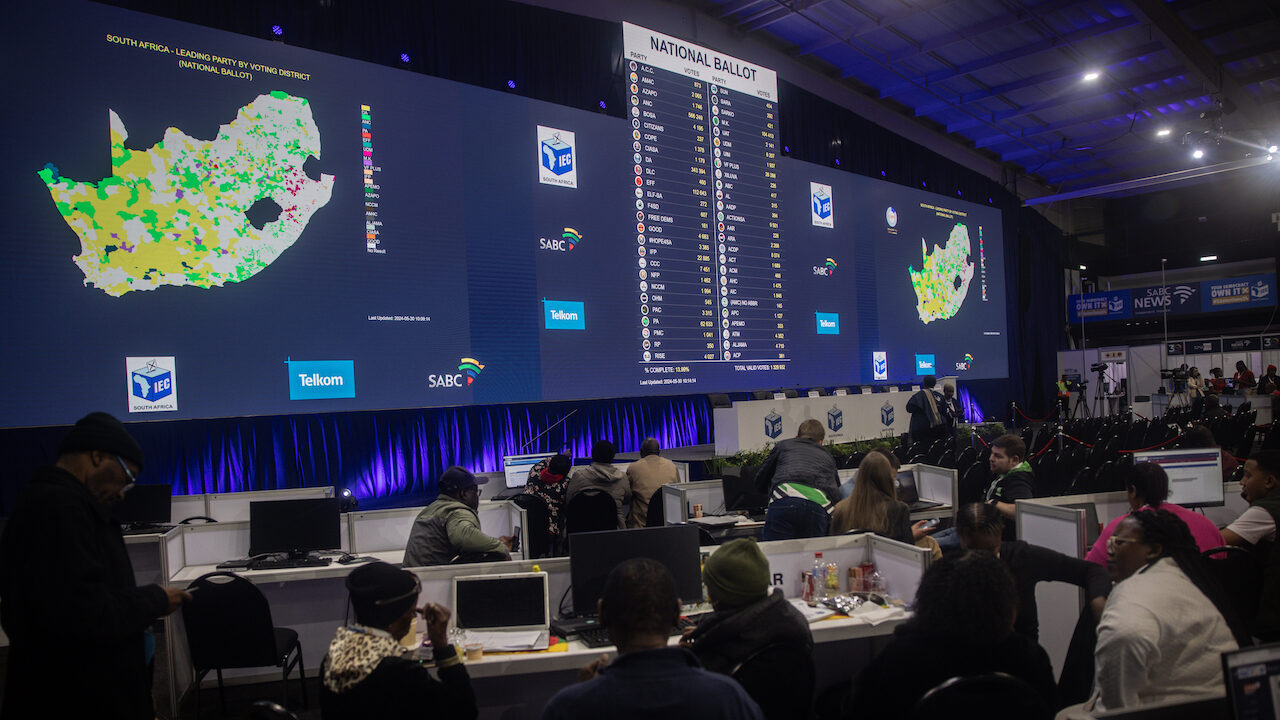
IEC chairperson Mosotho Moepya announced the final results on Sunday evening at the National Results Operation Centre in Midrand, confirming that all 213 municipal councils had been finalised.
According to the Commission, approximately 14.9 million South Africans cast their ballots from the 29.2 million registered voters.
The improved turnout suggests that more people were willing to participate in deciding who should lead their local communities, although the figures also show that a significant proportion of registered voters stayed away from the polls.
Voters give the electoral process a positive assessment
The IEC’s declaration follows findings from the 2026 Elections Satisfaction Survey, which assessed public perceptions of the election process, including its credibility, efficiency and fairness.
Research conducted by the Human Sciences Research Council (HSRC) found that the majority of voters viewed the elections positively.
The survey revealed that:
- 90% of respondents considered the election procedures free.
- 91% regarded the process as fair.
- 95% were satisfied with the services provided by the IEC.
- 91% spent no longer than 30 minutes waiting in voting queues.
- 81% expressed trust in the Electoral Commission.
However, the research also identified areas requiring attention, including voter intimidation, perceptions of impartiality, inclusive participation and gaps in election-related information.
Although confidence in the IEC remains relatively high, the reported decline from 93% in 2016 to 81% in 2026 suggests that maintaining public trust will require continued effort.
ANC leads as opposition parties strengthen their presence
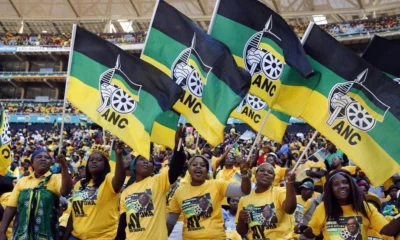
The final results confirmed the African National Congress (ANC) as the country’s leading political party, although its performance reflects an increasingly competitive political environment.
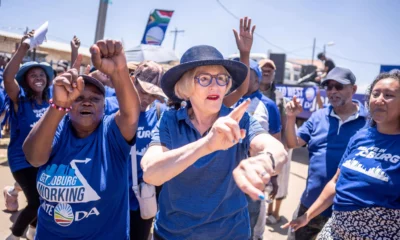
The Democratic Alliance (DA) secured second place, while the uMkhonto weSizwe Party (MK Party), Economic Freedom Fighters (EFF) and ActionSA completed the top five.
The national results were as follows:
| Political party | Percentage of votes | Council seats |
|---|---|---|
| ANC | 30.76% | 3,246 |
| DA | 24.64% | 1,695 |
| MK Party | 9.76% | 785 |
| EFF | 6.22% | 588 |
| ActionSA | 5.67% | 313 |
Other political parties and independent candidates collectively accounted for 22.97% of the vote, securing representation across municipal councils.
The results demonstrate how South Africa’s political landscape continues to evolve, with smaller parties and independent candidates playing an increasingly important role in determining municipal leadership.
Coalition negotiations await in hung councils
While the ANC emerged as the largest party nationally, securing the most votes does not automatically translate into control of municipalities.
Of the country’s 213 municipal councils, only 72 have a political party with an outright majority of seats.
The remaining 127 councils are hung councils, meaning no single party secured more than 50% of the seats.
This leaves considerable room for coalition negotiations as parties work towards forming administrations capable of governing their municipalities.
The ANC secured outright control in 53 municipalities and emerged as the leading party in 128.
The DA obtained outright control in 12 municipalities and became the leading party in 32.
The Inkatha Freedom Party (IFP) secured outright control in five municipalities and emerged as the leading party in 19.
The MK Party secured outright control in three municipalities and became the leading party in 19.
Rise Tsantsabane Communities secured outright control in one municipality.
These outcomes suggest that negotiations between political parties will be an important part of the next chapter of local government, particularly in municipalities where residents have voted for a more fragmented political representation.
For communities, however, the priority will remain whether the eventual governing arrangements can deliver reliable services and accountable leadership.
More than 137,000 candidates contested the elections
The scale of the 2026 elections was reflected in the number of political organisations and candidates involved.
A total of 521 political parties and 636 independent candidates contested the polls, collectively fielding approximately 137,000 candidates across ward and proportional representation contests.
The elections involved 10,526 council seats.
These included 4,485 ward seats, 4,340 proportional representation seats and 707 district council seats allocated through the proportional representation component.
A further 994 district council seats, representing the remaining 60% component of district council representation, will be filled through councillor elections by local municipalities in accordance with the legislative framework.
The scale of participation highlights the extensive political competition surrounding local government, where elected representatives are expected to address issues affecting residents directly.
IEC promises an honest review of the elections
Despite declaring the elections free and fair, the Commission has acknowledged that there are lessons to be taken from the process.
Moepya said the IEC would conduct a systematic review, considering feedback from voters, political parties, candidates, observers and election officials.
He also confirmed that the Commission would examine concerns raised during the electoral process and identify areas where improvements could be made.
The chairperson thanked voters, political parties, candidates, election personnel, observers and other stakeholders who contributed to the elections.
He also paid tribute to an IEC employee who died at a voting station in Mahikeng on Election Day.
Congratulating those who secured seats in municipal councils, Moepya reminded newly elected representatives that their responsibilities extended beyond winning votes.
“The ballot paper has given you a mandate and a responsibility,” he said.
He added that democracy did not end when voting stations closed, emphasising the importance of citizens continuing to question their representatives and hold them accountable.
“It is then my singular honour to hereby declare the 2026 Municipal Elections concluded as free and fair,” Moepya said.
The real test begins after the elections
While the IEC’s declaration marks an important milestone for South Africa’s democratic process, the bigger challenge now lies with the politicians who have been elected to serve communities.
From Cape Town to Johannesburg and smaller municipalities across the country, residents will be looking for tangible improvements in their neighbourhoods.
Water shortages, electricity interruptions, deteriorating roads, refuse collection and municipal accountability remain among the everyday concerns that local governments are expected to address.
The increase in voter turnout is encouraging, but public confidence will ultimately depend on whether elected representatives deliver on their promises.
With coalition negotiations expected in numerous municipalities, the coming weeks will also test whether political parties can put their differences aside to establish stable administrations.
For voters, the message is clear: the election may be over, but the responsibility to deliver has only just begun.
Be the first to know – Join our WhatsApp Channel for content worth tapping into! Click here to join!
Follow Joburg ETC on Facebook, Twitter, TikTok and Instagram
For more News in Johannesburg, visit joburgetc.com