News
Kenny Kunene criticised after dehumanising comments about undocumented migrants
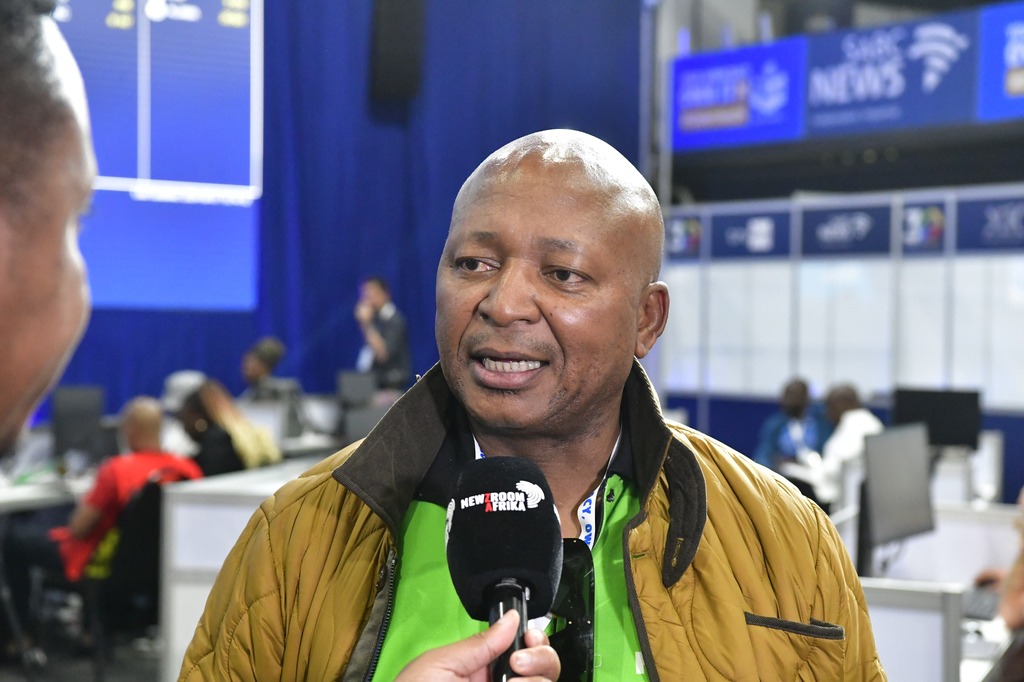
Joburg transport MMC Kenny Kunene has been criticised after using dehumanising language to describe undocumented migrants and calling for lethal action against people accused of illegal mining, during an official oversight visit to inspect damage to roads and public infrastructure.
What Kunene said during oversight visit
According to reports, Kunene described undocumented migrants as “rats” who needed to be poisoned with Rattex and called for the SA National Defence Force (SANDF) to use lethal force against them. The remarks were made while Kunene was inspecting roads and public infrastructure allegedly damaged by illegal mining.
Political role and context
Kunene made the remarks in his official capacity as Johannesburg’s MMC for transport. He is also identified in reports as the Patriotic Alliance’s mayoral candidate for Johannesburg. His comments come amid heightened public debate linking migration with crime and challenges in Johannesburg’s inner city.
Concerns about rising xenophobic rhetoric
The reporting notes an increase in raids and arrests of immigrants, and says those operations have been fuelled by comments from politicians and by xenophobic vigilante activity. The anti-immigrant group March and March has led protests and given undocumented immigrants until 30 June to leave South Africa.
Recent violence cited
Reports say widespread and increasing xenophobic rhetoric and incitement have led to violence in Mossel Bay in the Western Cape, claiming the lives of several people, including a Tsonga-speaking South African teenager and at least two Mozambicans.
Calls for accountability from experts
Prof Tshepo Madlingozi, a commissioner at the SA Human Rights Commission responsible for antiracism, education and equality, said he could not comment directly on Kunene’s remarks because the commission could not prejudge a matter that may still come before it. Speaking more broadly, Madlingozi said South Africa was seeing rhetoric “full of hatred, full of scapegoating and sometimes meant to demean.”
Madlingozi stressed constitutional limits on expression, saying it does not extend to propaganda for war, incitement of violence or hate speech. He warned that scapegoating could move beyond stereotyping and become incitement, and said:
“Words matter. The first step is often in the narrative phase before there is clear incitement to violence.”
Sharon Ekambaram, head of the Refugee and Migrant Rights Programme at Lawyers for Human Rights, said Kunene’s remarks should be viewed seriously because they dehumanised people while calling for violence. Asked if such remarks could meet the threshold for hate speech, Ekambaram said:
“Definitely,”
and added that public figures must be held accountable when their words contribute to a climate that blames migrants for social and economic crises.
Broader governance concerns
The coverage links the intensified focus on migrants to a city grappling with billing failures, collapsing infrastructure and weak administration, and quotes a researcher saying claims that migrants are responsible for crime, unemployment and pressure on public services are not supported by evidence.
What happens next
The reporting notes calls for accountability and refers to legal mechanisms to challenge statements that spread hatred, harassment and discrimination, without detailing any specific legal actions taken against Kunene.
Follow Joburg ETC on Facebook, Twitter, TikTok and Instagram
For more News in Johannesburg, visit joburgetc.com
Source: citizen.co.za