News
Experts Predict 2029 Wipeout for ANC as Support Plummets
Analysts predict the ANC could lose all power by 2029, following poor electoral performance, declining support, and growing voter dissatisfaction across South Africa.
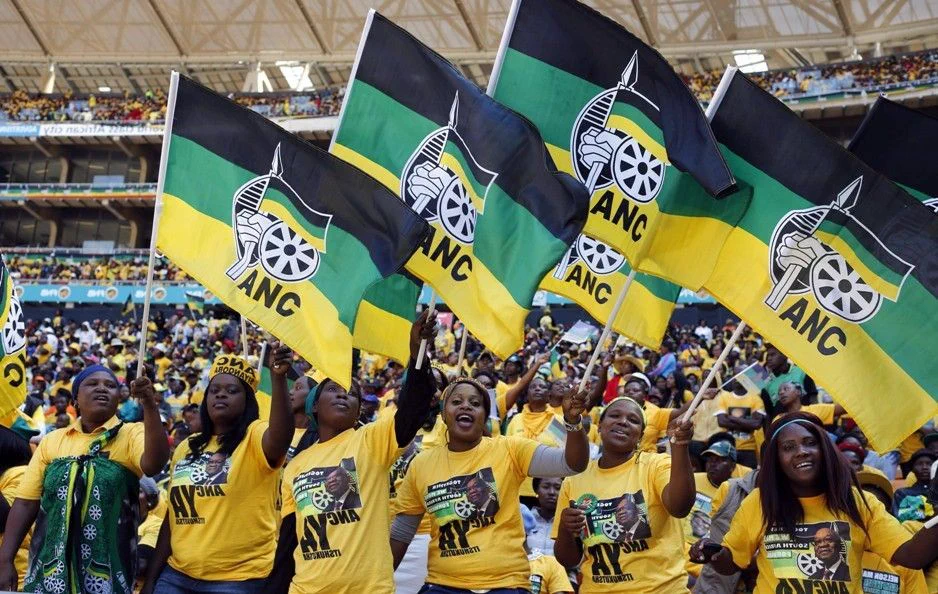
ANC’s Support Crumbles Amid Mounting Voter Dissatisfaction
Experts are forecasting a bleak future for the African National Congress (ANC), suggesting that the party could be entirely removed from power by the 2029 general elections. Political analysts say this comes after years of warnings from voters about poor service delivery and mounting incompetence, which, according to many observers, the party has failed to address.
Analysts Warn of Potential Opposition Status or Worse
Piet Croucamp, a political analyst from North-West University, asserted that the ANC is on track to become the third-largest party in South Africa by the next national vote. He estimated ANC support could fall as low as 15%, comparable to the recent rise of the uMkhonto weSizwe (MK) party. Croucamp said, “Voters gave the ANC a second chance over the years, hoping for improvements, but their messages have not been heeded in past elections.”
Stark Decline from Historic Highs
The ANC’s support has steadily eroded over the last two decades. Where the party once commanded nearly 70% of the national vote under Thabo Mbeki in 2004, support dropped to 57% in 2019 under Cyril Ramaphosa, 40% in the 2024 national elections, and now just 30% in local polls reported last week. Croucamp pointed out that this pattern aligns with global trends for liberation movements: “Remember all liberation parties tend to gradually lose support and then lose power completely after 30 years. The ANC should have known that.”
Opposition Parties Gaining Ground
The Democratic Alliance (DA) and ActionSA have notably expanded their presence at the ANC’s expense, while even the South African Communist Party running independently in many wards has taken municipalities previously held by the ANC. The shift illustrates a broad movement of voters seeking alternatives, further weakening the ANC’s electoral base.
ANC Leadership Concedes, Admits to ‘Catastrophic’ Result
Fikile Mbalula, the ANC’s secretary-general, publicly admitted to the party’s unprecedented losses, describing the outcome as “catastrophic” even before all results were final. Mbalula indicated the party’s own surveys predicted results between 30% and 34%, and conceded that the ANC was outmatched in strongholds such as eThekwini against the MK party led by Jacob Zuma.
Local Government: Signs of a Broader Collapse
Independent analyst Ralph Mathekga evaluated the ANC’s steep losses in major metropolitan areas as a “total wipeout,” which he called a deserved result given ongoing corruption and misgovernance at the municipal level. Low turnout among ANC supporters, versus strong mobilization by DA voters, compounded the ruling party’s woes. “The ANC has only two years to put its house in order, otherwise, voters will come back in 2029 to punish it further,” Mathekga warned.
South Africans Signal a Need for Change
With the latest election results, many South Africans have signaled that they believe the country is in a growing crisis under ANC stewardship. Voters are increasingly willing to choose new political leaders and approaches, often at the party’s direct expense. Mathekga noted, “It seemed everywhere that voters were keen to push the party out.” The ANC now enters coalition negotiations from a significantly weakened position, mustering less bargaining power than in previous rounds.
Historical Parallels and Strategic Reflection
Political analyst Zamikhaya Maseti compared the ANC’s poor showing to Nicaragua’s Sandinista moment in 1990, when the revolutionary party was removed by voters after only a decade in power. Maseti described the ANC’s dismal 30.76% share as “more than an electoral humiliation;” it is a moment of existential uncertainty for the party and the historical project it represents. As Maseti noted,
The legitimacy acquired through the struggle for liberation does not automatically guarantee the continuing consent of the liberated.
What Lies Ahead?
With coalition negotiations ongoing and public trust at a historic low, the ANC faces an uphill battle to restore confidence and relevance. Analysts warn that unless the party makes substantial changes in governance and public accountability, further losses seem all but inevitable.
The next two years will be critical for the ANC as it seeks to regain its footing ahead of the 2029 general elections. Many observers believe this is likely the last opportunity for the party to reverse its declining fortunes in South African politics.
Follow Joburg ETC on Facebook, Twitter, TikTok and Instagram
For more News in Johannesburg, visit joburgetc.com
Source: citizen.co.za