A sudden rise in malaria cases in Gauteng has sparked concern, but health authorities are urging residents not to panic just yet.
While the numbers paint a worrying picture, officials say the province is not facing a local outbreak. Instead, most infections are being traced back to travel and cross-border movement from high-risk regions.
Malaria Cases Climb Sharply In Gauteng
So far this year, Gauteng has recorded 414 malaria cases and 11 deaths. That is a sharp jump from the same period in 2025, when there were 230 cases and just one death.
The increase has raised questions about whether malaria is spreading within the province itself, especially as urban centres like Johannesburg and Pretoria are not traditionally considered malaria zones.
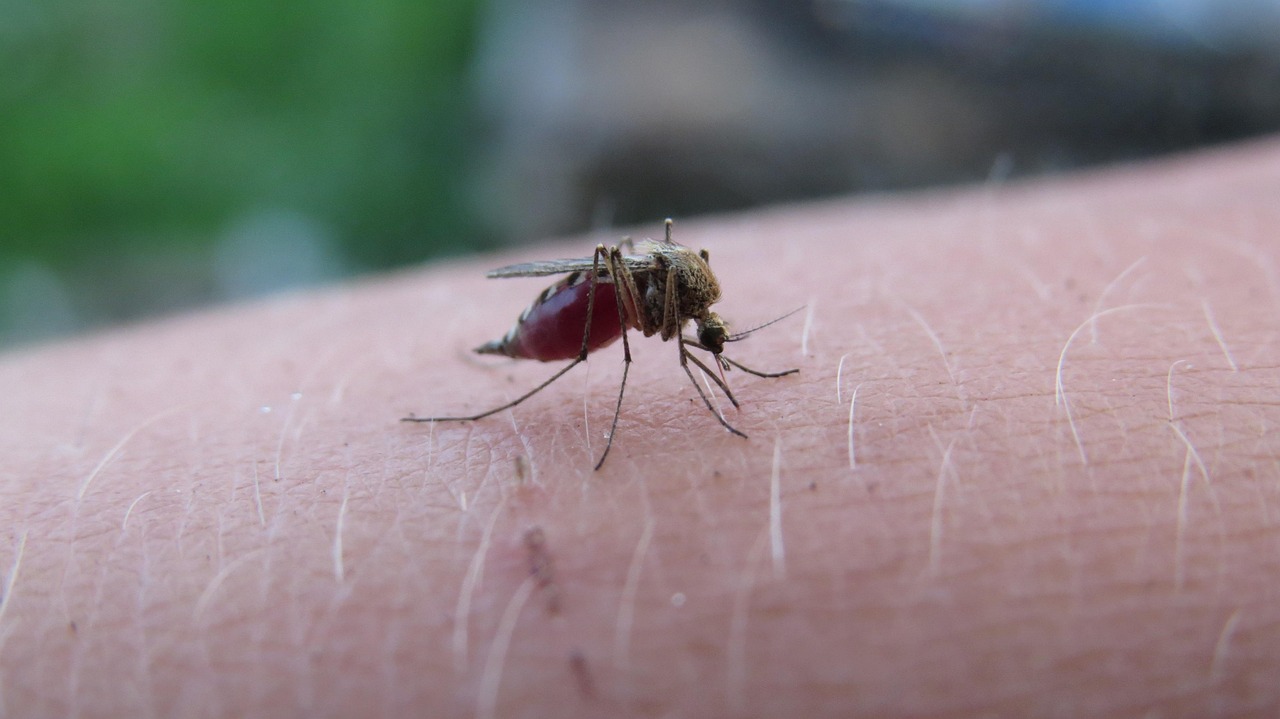
Malaria is a mosquito-borne disease that can become life-threatening if not treated early. Symptoms often resemble flu, including fever, chills, headaches and fatigue, which can make early detection tricky.
Most Infections Linked To Travel
According to the Gauteng Department of Health, the majority of these cases are not locally acquired.
Health officials say infections are being brought into the province by people travelling from malaria-endemic areas, particularly neighbouring countries and parts of South Africa where transmission is common.
Where Malaria Is Still A Risk In South Africa
In South Africa, malaria transmission remains concentrated in low-lying provinces such as Limpopo, Mpumalanga and KwaZulu-Natal. These regions have the right climate and mosquito populations to sustain the disease.
Gauteng, by contrast, is not considered a malaria transmission zone due to its altitude and cooler climate, which limits the survival of the mosquitoes that carry the parasite.
Health Department Moves To Reassure Residents
Speaking ahead of World Malaria Day, health department malaria director Ednah Baloyi emphasised that Gauteng is not experiencing local transmission.
She noted that while the rising numbers are concerning, they should be understood in context. The province continues to receive imported cases, rather than seeing the disease spread within its communities.
Authorities are also continuing to roll out South Africa’s malaria elimination strategy, aimed at eventually eradicating the disease within the country’s borders.
Why The Numbers Still Matter
Even if cases are imported, the increase in deaths signals a serious public health concern.
Experts warn that delayed diagnosis and treatment remain key risks, especially in areas where malaria is not commonly expected. Patients and healthcare providers may not immediately suspect malaria, which can lead to complications.
A Reminder Ahead Of World Malaria Day
As World Malaria Day approaches, the message from health officials is clear: awareness is critical.
For Gauteng residents, especially those who have travelled recently to high-risk areas, early testing and treatment could be lifesaving. While the province itself may not be a hotspot, the disease is still very much present and demands attention.