News
Pastor confronts Zille at Joburg event, accuses DA of double standards on Gaza
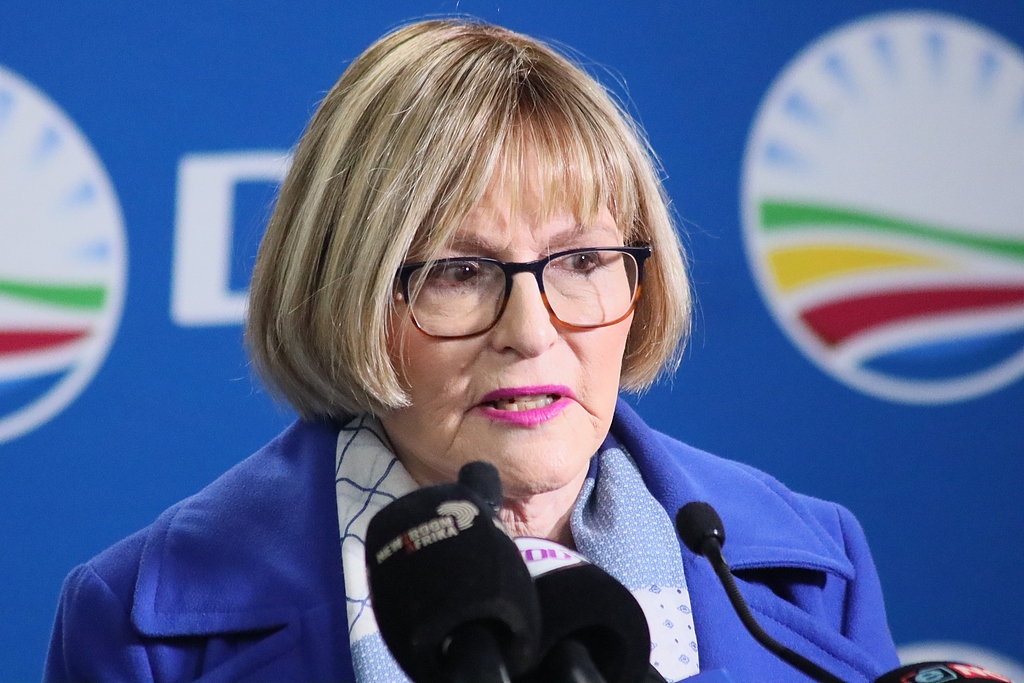
Pastor confronts Zille at Joburg event, accuses DA of double standards on Gaza
Heated moment interrupts campaign event
What was meant to be a campaign-style gathering for the Democratic Alliance in Johannesburg turned into a tense political exchange when a Gauteng pastor publicly challenged Hellen Zille over Gaza, race and the party’s moral credibility.
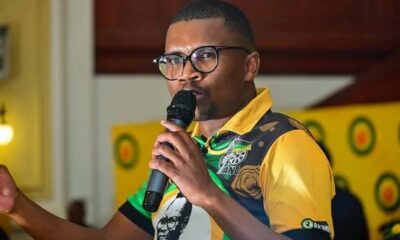
The confrontation happened during the DA’s Believe in Joburg event, where Pastor Nigel Branken took the microphone and delivered a blunt criticism of both Zille and the party she represents.
His comments quickly spread online, turning a local campaign event into a national talking point.
Pastor accuses DA of racism and silence
Branken did not soften his words.
He said he had long viewed the DA as a racist party shaped by white supremacy and questioned how voters could trust its leadership while it refuses to call Israel’s actions in Gaza a genocide.
He referenced international bodies and rights organisations that have raised concerns about the humanitarian crisis and legal implications of the war.
He also challenged the DA’s argument that South Africa should wait for the International Court of Justice to complete its process before drawing conclusions.
The room reacted loudly, with heckling and visible discomfort as he continued.
Brilliant. The hypocrisy and sophistry is astounding. 73 000 civilians, including childrenj murdered – a war crime – and not a single word of condemnation. An ICC fugitive and no demands for his arrest. Unconscionable.
The DA has never “waited” for any international court to… https://t.co/1R69DkBZ1u
Phumzile Van Damme (@zilevandamme) April 16, 2026
Moral challenge over Gaza
The pastor’s most pointed criticism centred on morality rather than party politics.
He asked how many more civilians would need to die or starve before political leaders took a firmer stance.
He argued that even if South Africa cannot directly control events in the Middle East, parties can still support sanctions, legal pressure and diplomatic action.
That line of attack reflects a growing view among some South Africans that Gaza has become a test of political principle, especially in a country shaped by apartheid history.
Zille responds calmly
Zille responded in measured tones.
She said terrible events are unfolding globally, but South Africa also faces urgent unfinished business at home: building a country where citizens can live together peacefully.
She reiterated the DA’s position, which does not support the genocide case but has welcomed international legal steps aimed at preventing civilian harm and ensuring humanitarian aid reaches Gaza.
Her response aimed to redirect attention to domestic governance a familiar DA strategy during emotionally charged foreign policy debates.
Why Gaza resonates in South Africa
Few international issues stir South African public opinion like Palestine.
Many citizens, activists and political parties draw parallels between Palestinian suffering and South Africa’s own apartheid past. That historical memory gives the issue unusual emotional weight here.
For others, however, the country’s leaders should prioritise electricity, jobs, crime and local service delivery before spending political capital abroad.
That divide explains why Gaza keeps appearing even at municipal campaign events.
Social media reacts instantly
Once video clips circulated, reactions poured in.
Some praised Branken for confronting power directly and speaking uncomfortable truths in a hostile room.
Others said the exchange was political theatre that distracted from Johannesburg’s urgent local problems such as potholes, water shortages and urban decay.
Some users predicted the DA could lose support over its stance, while others defended the party’s refusal to follow ideological pressure.
A difficult balancing act for the DA
The DA often tries to appeal to urban, moderate and issue-focused voters. But questions around race, foreign policy and historical justice can expose internal tensions.
On one hand, it wants to be seen as principled and rules-based.
On the other, it faces criticism that neutrality on emotionally charged matters can appear detached or selective.
That challenge becomes sharper when figures like Zille are involved, given her long and often polarising public profile.
Bigger than one viral moment
This was not just a clash between a pastor and a politician.
It reflected something deeper about South African politics in 2026: voters increasingly want leaders to explain not only how they will govern, but what they stand for morally.
In Johannesburg, where residents face daily frustrations with infrastructure and safety, that mix of local anger and global conscience is becoming more common.
What the moment revealed
The exchange showed that campaign events are no longer tightly controlled spaces. Voters, activists and ordinary attendees are willing to challenge leaders in real time.
Whether one agreed with Branken or Zille, the moment landed because it felt unscripted.
And in modern politics, unscripted moments often travel further than prepared speeches.
{Source: IOL}
Follow Joburg ETC on Facebook, Twitter , TikTok and Instagram
For more News in Johannesburg, visit joburgetc.com