News
Ramaphosa vows South African support for DRC as Ebola outbreak continues
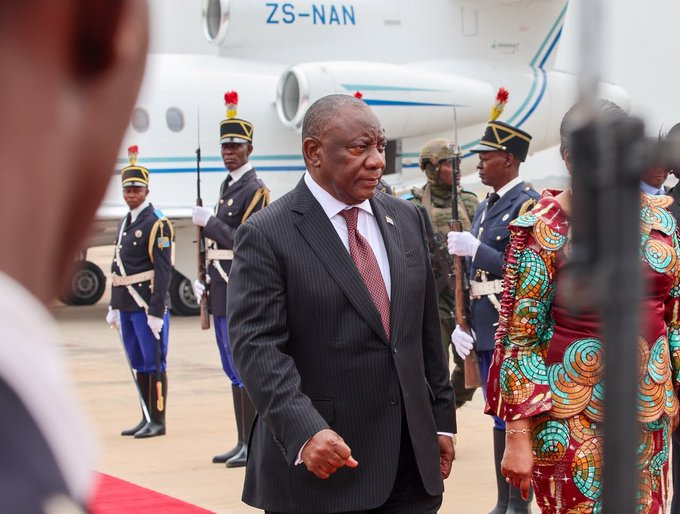
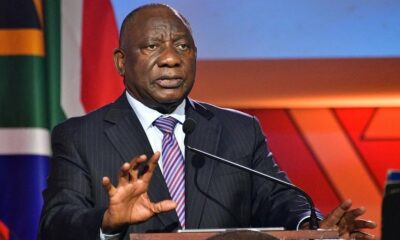
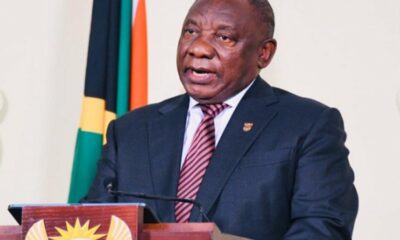
President Cyril Ramaphosa has reaffirmed South Africa’s support for the Democratic Republic of the Congo (DRC) as it battles an Ebola outbreak, pledging backing for vaccine development and calling for a ceasefire to allow humanitarian access.
Remarks in Kinshasa and role with the AU
Ramaphosa made the remarks on Thursday during a working visit to Kinshasa, where he joined DRC President Félix Tshisekedi at a multi-stakeholder engagement on the outbreak. Speaking in his capacity as the African Union Champion on Pandemic Prevention, Preparedness and Response, he said his mandate was to
“provide oversight, mobilise resources, strengthen cooperation among member states and support coordinated continental action.”
Meetings and expressions of sympathy
Earlier in the day, the two presidents held bilateral talks on the Ebola outbreak and regional health security issues before meeting with ministers, Africa CDC Director-General Dr Jean Kaseya, representatives of the National Institute for Biomedical Research (INRB), donors and public health officials.
Ramaphosa began by expressing condolences on behalf of the South African government to Congolese families who have lost loved ones during the outbreak and paid tribute to those leading the response. He said:
“We also salute the healthcare workers, scientists, humanitarian personnel and community leaders who are working tirelessly on the frontlines.”
Continental response and funding
Ramaphosa outlined recent continental coordination, noting that Burundian President Évariste Ndayishimiye convened a virtual summit of African leaders and international partners on 16 June to coordinate support. The summit secured approximately $1.5 billion in financing, technical assistance, medical countermeasures and humanitarian aid, with African countries contributing more than $100 million.
He welcomed a World Health Organisation-supported medical-supplies tracking dashboard and new inventory and donation coordination mechanisms intended to ensure efficient and transparent delivery of pledged resources.
Three immediate priorities
Ramaphosa identified three immediate priorities for the Ebola response. First, he said it was critical to accelerate conversion of financial pledges into practical support, including funding, technical assistance and delivery of medical countermeasures to affected areas.
Second, he called for a ceasefire to enable humanitarian access, so healthcare workers, aid agencies and medical supplies could reach communities safely, and urged communities to protect frontline responders from intimidation, stigma and violence. He said:
“Healthcare workers must never face fear, stigma or violence while serving our people.”
Third, Ramaphosa reaffirmed South Africa’s commitment to strengthening local vaccine manufacturing, confirming that South African biotechnology company Afrigen continues to support efforts to develop a vaccine targeting the Bundibugyo strain responsible for the current outbreak.
Outlook and final appeal
While acknowledging the seriousness of the outbreak, Ramaphosa pointed to recovered patients and progress in developing medicines and vaccines as reasons for optimism. He said continued cooperation could help contain the outbreak, prevent regional spread and minimise impact on economic stability.
Concluding his address, he called on African countries and international partners to maintain momentum and collective action, saying:
“What is required now is unity of purpose, urgency of action and sustained solidarity.”
Follow Joburg ETC on Facebook, Twitter, TikTok and Instagram
For more News in Johannesburg, visit joburgetc.com
Source: iol.co.za