News
Refreshi helps South Africans save R12.5 million on groceries
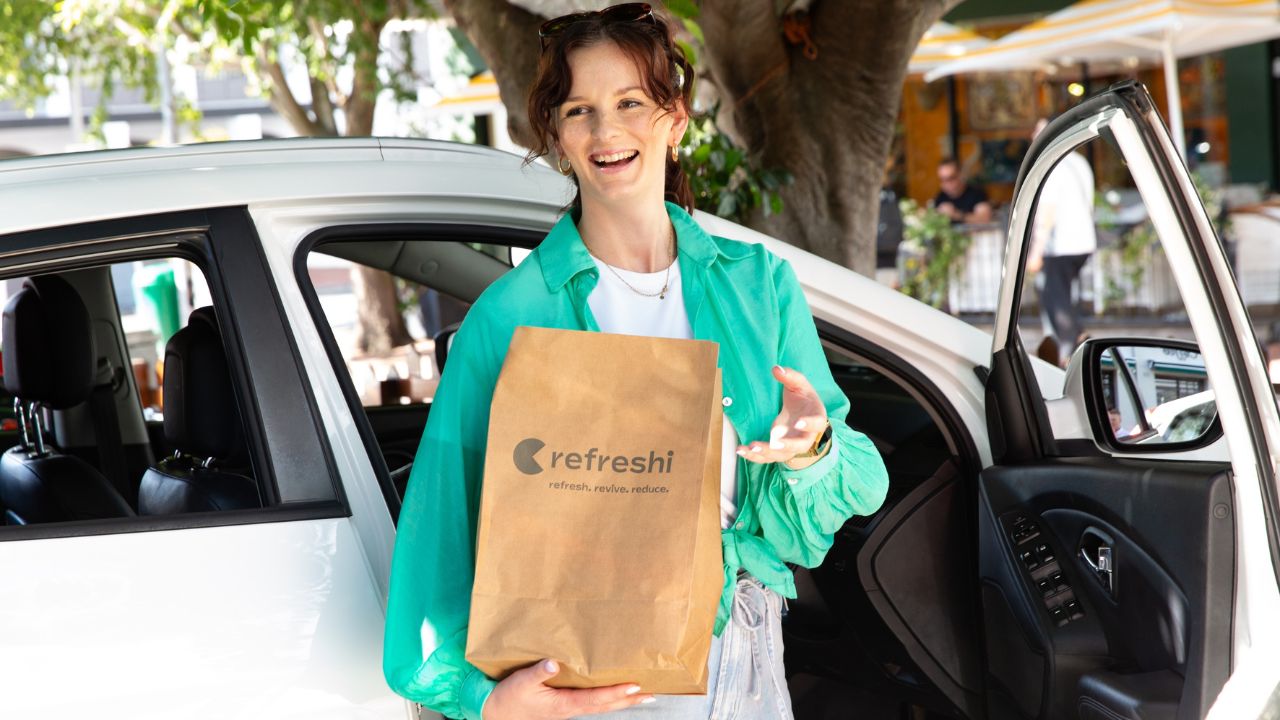
A loaf of bread, a bakery treat or a ready-made meal nearing the end of its shelf life often has only two possible destinations: someone’s dinner table or the landfill.
A South African startup is betting that far more of that food belongs in kitchens than in waste sites, and the numbers suggest the idea is catching on.
South Africans have collectively saved R12.5 million on groceries over the past year while preventing 200,000 meals from being discarded, according to Refreshi’s first annual Grocery Savings Impact Report.
The figures come as households continue looking for practical ways to stretch food budgets without compromising on quality.
The report, which was released by Refreshi, shows the platform has expanded from just 35 participating stores when it launched in Stellenbosch in March 2025 to around 700 stores nationwide, serving more than 200,000 registered users.
Its network now spans Cape Town, Johannesburg, Pretoria, Durban, Gqeberha, George and Mossel Bay.
The concept is simple. Through the app, shoppers purchase discounted “Surprise Bags” containing quality surplus food from supermarkets, cafés, bakeries and restaurants before collecting them during a scheduled pickup window later in the day.
Instead of being thrown away, food that remains perfectly safe to eat finds a home at a fraction of its original price.
Refreshi founder and chief executive Jakob Holbak believes food waste has become as much an economic issue as an environmental one.
“Food waste isn’t only an environmental issue, it’s becoming a cost-of-living issue for millions of South Africans. Every Surprise Bag helps a family spend less on groceries while helping a business recover value from food that is still perfectly good to eat. That’s why we’ve seen such strong growth over the past year.”
The marketplace has also created a financial upside for participating retailers, as over the past year alone, businesses recovered more than R10 million from surplus food that would otherwise have been written off, creating an additional revenue stream while reducing unnecessary waste.
Beyond household savings, the environmental impact has been considerable. Refreshi estimates its community has prevented approximately 500,000kg of carbon dioxide emissions, conserved around 120 million litres of water and reduced pressure on agricultural land by rescuing surplus food before it reached landfill.

Refreshi CEO Jakob Holbak
Picture: Supplied
Those figures arrive against the backdrop of South Africa’s wider food waste challenge, with billions of rands worth of edible food discarded every year despite ongoing food insecurity and the financial pressure facing many households.
Holbak says technology offers an opportunity to keep more edible food in circulation.
“Organic waste now accounts for more than half of the country’s general waste stream, placing increasing pressure on municipal landfill sites while local households continue to battle rising food prices during a cost of living crisis that has been extremely punishing to consumers this year. We believe technology can help change these circumstances, for consumers, retailers and our environment. By creating an easy-to-use, everyday app, we knew we could build a pathway for consumers and businesses to keep surplus food in circulation, while putting money back into both their pockets.”
Refreshi says it complements organisations such as FoodForward SA and SA Harvest by helping rescue quality surplus food that may not be suitable for traditional donation channels before it reaches expiry.
Alongside its consumer app, the company also operates Refreshi Exchange, a business-to-business marketplace that enables manufacturers, distributors and retailers to move surplus stock more efficiently.
The startup expects its retail footprint to grow beyond 2,000 participating stores over the next year as it continues building what it describes as one of South Africa’s largest circular economy marketplaces.
As South Africa works towards its commitment to halve food waste by 2030 under the United Nations Sustainable Development Goals, initiatives that combine affordability, sustainability and technology are likely to play an increasingly visible role in everyday grocery shopping.
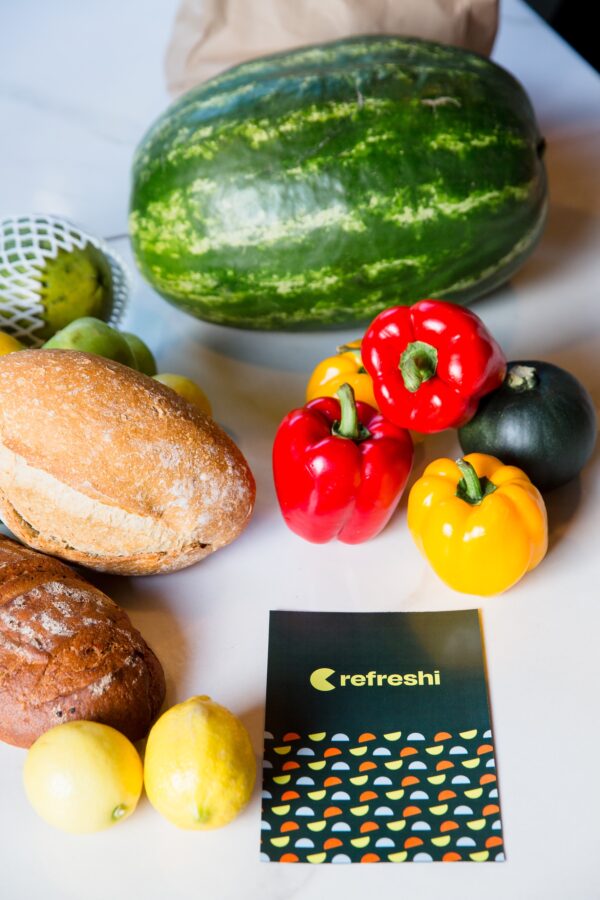
Picture: Supplied
Follow Joburg ETC on Facebook, Twitter, TikTok and Instagram
For more News in Johannesburg, visit joburgetc.com
Source: Refreshi