News
Government revises electricity pricing policy to make bills clearer and curb cross-subsidies
Government’s Revised Electricity Pricing Policy seeks clearer bill breakdowns, limits on municipal cost pass-throughs and improved identification for Free Basic Electricity.
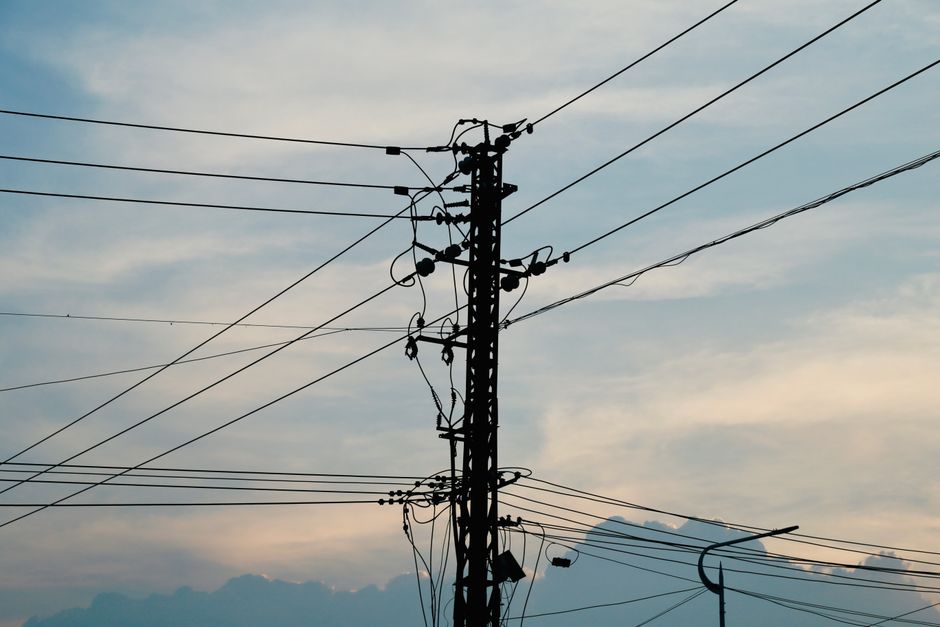
South Africa’s government has published a Revised Electricity Pricing Policy that aims to make electricity bills more transparent and to limit the extent to which paying customers carry costs linked to unpaid municipal debt.
What the policy says
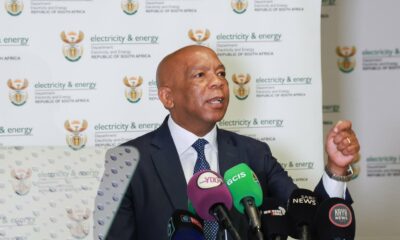
The policy was outlined by Electricity and Energy Minister Kgosientsho Ramokgopa on Tuesday, 18 August. It proposes that electricity bills give consumers a clearer breakdown of charges, including generation costs, transmission and distribution network charges, ancillary services and municipal surcharges.
The document seeks to ensure that Eskom and municipalities can show customers how amounts due were calculated, so households can distinguish how much of a bill relates to actual electricity use and how much comes from other charges.
Costs linked to municipal non‑payment
The policy highlights that some component of current tariffs is tied to Eskom’s inability to recover money owed through municipalities. According to the statement, between one and 2.5 percentage points of the current tariff could be linked to that shortfall. Minister Ramokgopa said:
“You are not allowed to punish those who are paying on account of those who are not paying.”
Protections and targeting for vulnerable households
The policy includes proposals to improve how households qualifying for Free Basic Electricity are identified. It suggests using information already held by government, including social grant and Home Affairs records, to identify eligible households and to reduce reliance on municipal beneficiary lists. The policy also proposes annual verification so households can be reassessed when circumstances change.
Price certainty and market change
The government wants the National Energy Regulator of South Africa (NERSA) to provide greater certainty about the direction of tariffs to help households and businesses plan for electricity costs. The pricing framework is expected to accommodate a changing electricity market, including independent generators, traders and bilateral electricity supply agreements. The policy also allows for special pricing agreements for energy‑intensive industries and says government is engaging major industrial users, including smelters, about possible negotiated tariffs.
Timing and next steps
Cabinet has approved the Revised Electricity Pricing Policy for public comment. The proposals must go through the consultation process before they are finalised, so consumers will not see these changes on their next electricity bill. The Department of Electricity and Energy said affordability has become a major focus as the country’s electricity system stabilises.
Follow Joburg ETC on Facebook, Twitter, TikTok and Instagram
For more News in Johannesburg, visit joburgetc.com
Source: thesouthafrican.com