News
New analysis claims South Africa has lost trillions through racial economic inequality
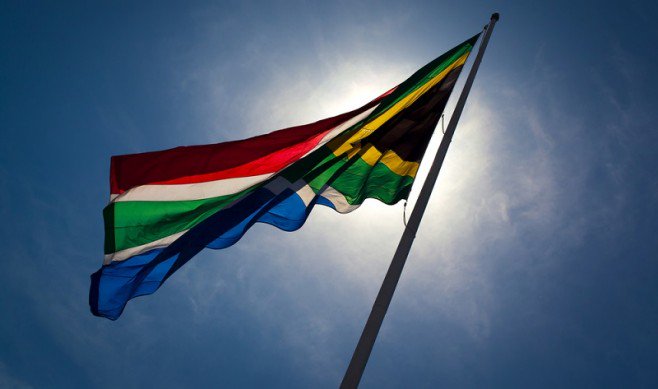
South Africa’s inequality crisis is deeper than unemployment numbers suggest
South Africans have heard the phrase “poverty, inequality and unemployment” so many times that it has almost become political wallpaper.
It appears in speeches, election campaigns, policy papers and budget debates year after year. But behind those familiar buzzwords lies a growing frustration shared by many ordinary citizens: despite decades of democracy, why do so many communities still feel trapped in survival mode?
A controversial new socio-economic analysis is now attempting to answer that question in far more dramatic terms.
The report argues that South Africa has experienced what it describes as a long-term “siphoning” of wealth, opportunity and human potential since 1994 with Black South Africans carrying the overwhelming burden of the damage.
While some economists may debate the language and methodology used in the analysis, the core issue it raises is difficult to ignore: millions of South Africans still feel excluded from meaningful economic progress, even three decades after apartheid officially ended.
Beyond GDP: the reality many communities still live with
The analysis challenges the way South Africa traditionally measures economic success.
On paper, GDP growth figures and investment reports can create the impression of progress. But in many mining towns, rural communities and township economies, residents say daily life tells a different story.
Drive through parts of the North West, the Eastern Cape or former mining communities in Gauteng and the contradiction becomes obvious. Wealth is generated nearby, yet local infrastructure often remains broken, schools under-resourced and unemployment painfully high.
The report argues that this disconnect is not accidental it is structural.
According to the analysis, economic extraction continues to remove value from vulnerable communities while reinvestment remains weak or uneven.
Mining towns become symbols of extraction
One of the strongest criticisms is directed at South Africa’s mining industry.
For generations, mining has been central to the country’s economy, shaping everything from Johannesburg’s growth to labour migration patterns across Southern Africa.
But critics have long argued that while mining created enormous wealth, many surrounding communities were left behind once resources were depleted.
The report points to regions such as Rustenburg and Matlosana as examples where minerals generated global profits while nearby communities continued battling poverty, environmental damage and weak local development.
This conversation is not new in South Africa.
For years, activists and labour groups have questioned why some mining communities still lack reliable infrastructure despite decades of resource extraction happening on their doorstep.
The Marikana tragedy in 2012 also intensified public scrutiny around inequality inside the mining sector, particularly the gap between executive wealth and worker living conditions.
The racial gap remains impossible to ignore
Perhaps the most emotionally charged section of the analysis is its focus on race.
The report claims Black South Africans have experienced the overwhelming majority of the country’s economic “siphoning,” arguing that inequality continues to follow old racial lines despite political freedom.
While the figures themselves may spark debate among economists, the broader sentiment resonates strongly with many South Africans who believe economic transformation has moved too slowly.
On social media, discussions around “economic freedom” versus “political freedom” continue to trend regularly, especially among younger South Africans frustrated by unemployment and limited opportunities.
Many users responded to the analysis by pointing out the visible inequalities that still shape everyday life from education quality and access to transport, to job networks and property ownership.
At the same time, others warned against reducing South Africa’s economic problems purely to race, arguing corruption, state failure and poor governance have affected citizens across communities.
That debate reflects one of modern South Africa’s deepest tensions: how to acknowledge the lasting economic effects of apartheid while also confronting failures that emerged during the democratic era.
The youth unemployment crisis at the centre
The report also places major emphasis on South Africa’s unemployment disaster, particularly among young people.
For many families, the pain is personal.
Across the country, graduates with qualifications are struggling to find work, while industries that once absorbed technical labour have either shrunk or changed dramatically.
The analysis criticises what it sees as a growing mismatch between education and economic opportunity producing young people with certificates but limited pathways into stable employment.
This frustration is visible everywhere from township streets to TikTok videos where graduates openly document months or years of unsuccessful job hunting.
South Africa’s youth unemployment crisis has become more than just an economic issue; it is increasingly shaping mental health, family structures and social stability.
Why many South Africans feel the system is failing
Part of what makes analyses like this resonate is that many citizens already feel disconnected from the formal economy.
Rising food prices, electricity instability, transport costs and limited job creation have created growing disillusionment, especially among working-class and lower-middle-class households.
The report argues that government has relied too heavily on statistics and political messaging while failing to confront the deeper structural realities facing communities on the ground.
Terms like “administrative silence” and “ghost towns” used in the analysis may sound dramatic, but they tap into a wider public feeling that too many communities have been forgotten.
Can South Africa reverse the damage?
Despite its bleak outlook, the analysis also proposes solutions focused on rebuilding local economies, strengthening technical education and directing more industrial investment into communities affected by extraction and underdevelopment.
Among the ideas raised are stronger infrastructure investment, protection for schools and township economies, and new partnerships between industry and communities.
Whether policymakers embrace those ideas remains uncertain.
But one thing is increasingly clear: South Africa’s inequality conversation is no longer only about income gaps. It is now about dignity, opportunity and whether democracy has delivered meaningful economic inclusion for the majority of citizens.
And as frustration grows across communities, the pressure to move beyond political slogans and toward visible economic change is only becoming louder.
{Source: IOL}
Follow Joburg ETC on Facebook, Twitter , TikTok and Instagram
For more News in Johannesburg, visit joburgetc.com