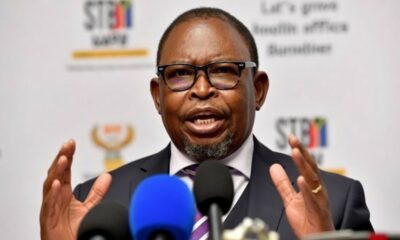
Godongwana defends Special Appropriation Bill as MPs clash over billions in extra spending
South Africa’s money debates are rarely quiet, and Tuesday’s parliamentary showdown was no exception.
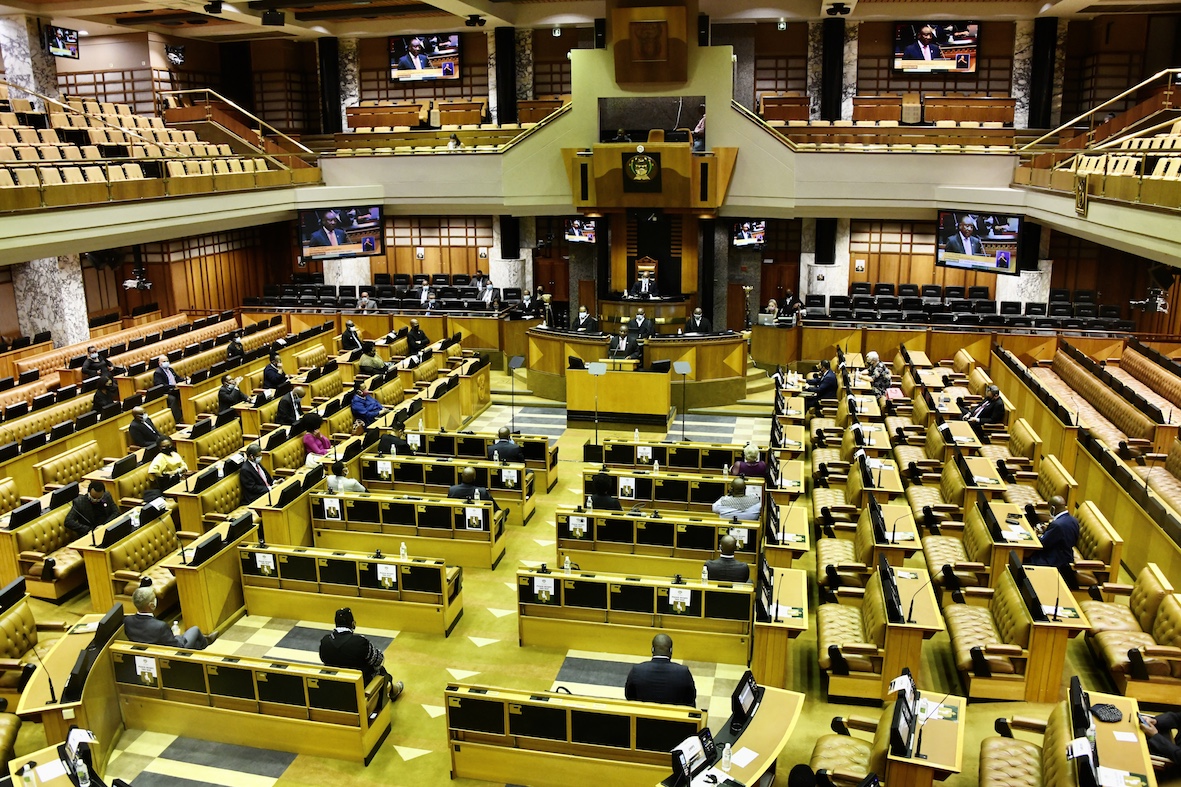
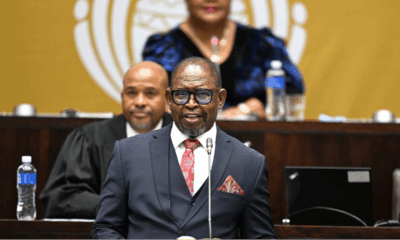
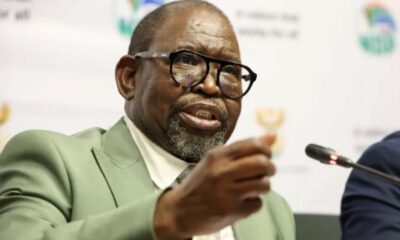
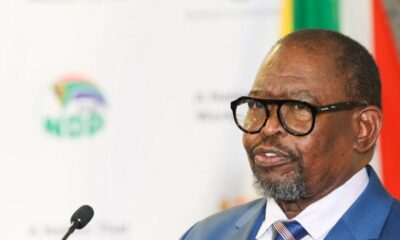
Finance Minister Enoch Godongwana found himself under sharp attack as lawmakers debated the 2026 Special Appropriation Bill a proposal that would unlock billions of rand for rail upgrades, infrastructure projects, elections and rebuilding Parliament.
Supporters described the plan as necessary funding for urgent national priorities. Critics called it a sign of weak planning and yet another example of government returning for more money after the main Budget was already tabled.
At the centre of it all was one question South Africans know well: is this responsible governance, or expensive patchwork?
Godongwana rejects ‘backdoor funding’ claims
Responding to criticism in the National Assembly, Godongwana insisted there was nothing secretive about the allocations.
He argued that the Public Finance Management Act allows the finance minister to tell Parliament when certain projects cannot be funded immediately, then return later if resources become available.
His message was clear: this is not hidden spending, but a transparent legal process.
That defence matters politically. Opposition parties often accuse Treasury of asking Parliament to approve spending after the big decisions have already been made.
Where the money would go
The Bill includes funding for several high-profile areas, many of which touch daily life for ordinary citizens.
Rail and commuter transport
A large portion is directed to Passenger Rail Agency of South Africa for rolling stock renewal.
For commuters in Gauteng, the Western Cape and KwaZulu-Natal, rail delays and unreliable services have become routine. Any serious investment in trains is likely to draw public interest quickly.
Parliament rebuild
Additional money is also earmarked for rebuilding Parliament of South Africa after the devastating fire that damaged the precinct in 2022.
Many citizens support restoring the institution, though others question rising costs while communities battle service delivery failures.
Elections and infrastructure
Funding is also tied to the 2026 local government elections, share purchases in the International Finance Corporation, and infrastructure corridor projects through the Development Bank of Southern Africa.
ANC backs the move
ANC MPs argued the spending would support economic reform efforts, especially in rail, freight and ports.
They also stressed that commuter rail remains one of the cheapest forms of transport for working-class South Africans.
That point resonates in cities like Johannesburg, Pretoria and Cape Town, where transport costs eat into household budgets every month.
Opposition parties hit back
The fiercest criticism came from opposition benches.
MK Party
MK Party MPs said the Bill looked like a bailout for mismanaged state entities rather than a bold economic intervention.
EFF
EFF lawmakers argued the measure exposed failures in planning and questioned rising costs linked to Parliament’s rebuild.
They also warned against infrastructure spending that could ultimately favour privatisation.
DA
The DA said special appropriations should be reserved for genuine emergencies, not become a routine workaround that weakens parliamentary oversight.
That criticism taps into a deeper constitutional concern: who controls the purse strings, Cabinet or Parliament?
Public reaction: practical, not ideological
Outside politics, many South Africans are less interested in party slogans than outcomes.
On social media, reactions were mixed:
- Some welcomed rail funding, saying safer trains would save commuters time and money.
- Others questioned why government can find billions for institutions but not always for potholes, water systems or clinics.
- Many simply asked whether the money would be spent efficiently.
In truth, trust is the missing line item in many budget debates.
Why this debate matters now
South Africa enters another election cycle with slow growth, high unemployment and pressure on public finances.
That means every rand spent carries political weight.
If the rail system improves, roads are less congested and elections run smoothly, government can argue the Bill was justified.
If projects stall or costs spiral, critics will say Parliament approved another expensive promise.
The bigger test ahead
The Special Appropriation Bill is about more than numbers on a spreadsheet.
It is a test of whether government can still use public money to visibly improve public life.
For millions of South Africans waiting for working trains, cleaner audits and smarter spending, that result matters far more than the shouting in Parliament.