News
Tshwane mayor pushes back on “water crisis” label as taps still run dry in parts of the city
Tshwane mayor pushes back on “water crisis” label as taps still run dry in parts of the city
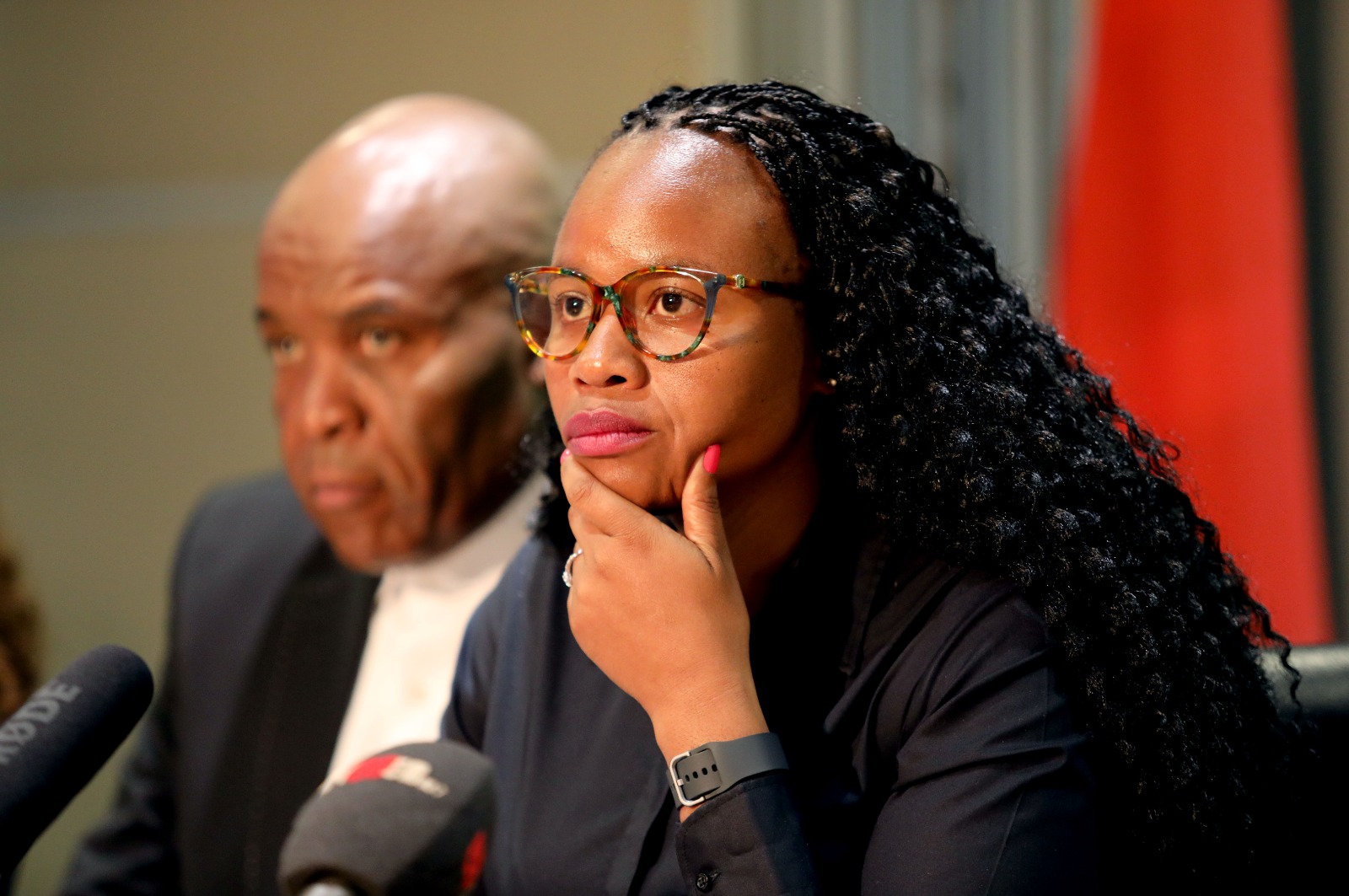
Despite growing frustration in communities across the capital, Tshwane Mayor Dr Nasiphi Moya insists the city is not facing a water crisis even as some areas continue to experience days without running water.
Her remarks came during her second State of the Capital Address at the University of South Africa, where she defended the municipality’s water system and pointed to infrastructure failures, not supply shortages, as the root of the problem.
“There is no water crisis in the City of Tshwane,” Moya said. “The challenge is water losses caused by ageing infrastructure, leaks, and inefficiencies, not a lack of bulk supply.”
For many residents, however, the distinction may feel academic. In parts of the city, empty taps have become a recurring reality.
Where the pressure is being felt
Moya acknowledged that areas such as Hammanskraal and Bronkhorstspruit remain under strain, though she said progress is being made to restore consistent access.
She pointed to infrastructure upgrades that have already improved access to clean water in Hammanskraal, a region long associated with water service challenges.
The mayor also highlighted that Tshwane currently meets a demand of between 800 and 900 million litres of water per day, suggesting that the system is under strain but still functioning at scale.
Where Tshwane’s water comes from
The city’s supply relies heavily on a combination of external and internal sources:
- 72% bulk supply, mainly from Rand Water (over 600 million litres daily)
- Additional supply from Magalies Water
- 28% internal production, sourced from Rietvlei Dam and Roodeplaat Dam
- Groundwater systems including Grootfontein, Fontana and Sterkfontein
According to Moya, this mix is meant to ensure stability across the metro’s expanding population.
The infrastructure problem behind the shortages
Rather than shortage of water, Moya pointed to what she called non-technical losses water that is lost or unaccounted for due to theft, illegal connections, leaks and ageing pipes.
She said these losses were once as high as 39%, particularly in Region 1 areas including Klip-Kruisfontein, Ga-Rankuwa, Mabopane, Winterveldt and Soshanguve.
Much of the infrastructure, she added, is more than 50 years old and struggling to cope with modern demand.
Repair plans and stabilisation efforts
The municipality has introduced what it calls a water stabilisation plan, aimed at tightening control over the system.
The plan includes:
- Repairing leaks and reducing losses
- Managing water pressure across networks
- Improving reservoirs and pump stations
- Strengthening monitoring and metering systems
- Cracking down on illegal connections
Moya said these interventions are beginning to restore control over the system and improve long-term reliability.
She also highlighted improvements in areas like Mamelodi, where communities such as Ikageng and Mahube Valley Extension 3 reportedly went more than six years without stable water supply before recent restoration efforts.
National concerns paint a tougher picture
While Tshwane leadership insists the issue is not a crisis of supply, National Treasury has painted a more worrying national picture.
According to Treasury, water services across South Africa are becoming increasingly unreliable, with widespread infrastructure failure and declining water quality.
Key findings include:
- 105 of 144 Water Service Authorities scored poorly or critically
- 73% of municipalities are experiencing failing water and sanitation systems
- Many authorities have not produced corrective action plans
- Growing risks from population growth, urbanisation and climate change
Treasury also warned that weak municipal governance, ageing infrastructure and poor reinvestment of water revenues are worsening the situation.
A crisis or a system under pressure?
Tshwane’s messaging highlights a key tension playing out across South Africa: whether water challenges should be defined as a crisis of supply or a breakdown in infrastructure management.
On paper, the city says it has enough water. On the ground, many residents continue to experience interruptions that shape daily life from household routines to school attendance and local businesses.
For now, Tshwane’s leadership is standing firm on its position: there is no water shortage, only a system struggling under pressure.
But for communities waiting for taps to run consistently again, the distinction may matter less than one simple question when will the water actually flow without interruption?
{Source: IOL}
Follow Joburg ETC on Facebook, Twitter , TikTok and Instagram
For more News in Johannesburg, visit joburgetc.com