News
Animal activists condemn incident after vervet monkey drenched in bright blue paint
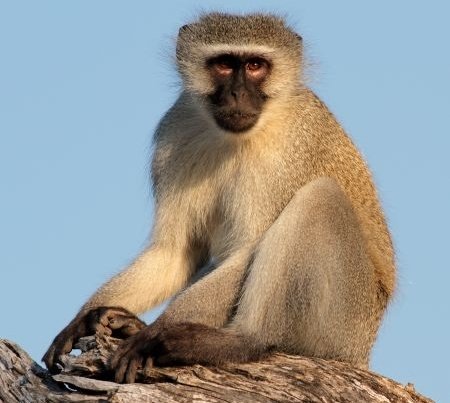
A wild vervet monkey in Nelson Mandela Bay was pinned down, smeared head to tail in bright blue paint and released back into its troop’s territory, animal welfare groups said. The monkey was seen in Deer Park and is reported to be clawing and licking at the coating.
How rescuers learned of the incident
Welfare group Monkey Matters Eastern Cape spotted the drenched vervet in Deer Park on Sunday. The organisation said the monkey was pinned down, smeared head to tail in blue paint and released back into its troop’s territory and warned the paint could poison the animal and cause it harm.
Attempts to catch and treat the animal
The animal has not been caught because, according to Monkey Matters Eastern Cape, it does not stay in one place long enough for rescuers to reach it. The group said the monkey appeared to be doing fine.
Responses from animal welfare workers
Charne van der Mescht, co-founder of Monkey Matters Eastern Cape, who has rescued primates in the province for more than 25 years, described the act as stemming from an old belief that painting a monkey would scare off its troop.
“Some people believe if you paint them white, or now apparently blue, the troop will be scared and be chased off,” Van der Mescht said. “This is not the case and is an old myth.”
Van der Mescht warned the practice is animal cruelty and said it can “cause a slow, agonising death.” She added:
“Painting a monkey white, or any other colour, will not make its troop reject it. That is not science but ignorance dressed up as advice.”
Broader criticism and context
Animal activist Marizanne Kemp Ferreira called the act disturbing and reminded people that, in her words,
“These animals are not invading our space. We have expanded into theirs.”
Ferreira said harassing or harming primates “was neither justified nor humane” and argued that “Compassion and respect for all life are the true measures of a community.”
Historic practice and expert comments
Steve Smit, founder of the Durban-based Monkey Helpline, said painting of monkeys is most common in KwaZulu-Natal and that, in his understanding, the practice originated with settlers who painted baboons to protect crops. He said the belief that a painted animal would drive a troop away is false.
“This fallacy doesn’t work,” Smit said. “The monkey would be targeted and it will also try to clean itself. They [the monkeys] suffer immensely.”
Smit said painted monkeys were sometimes also shot with pellets and that some people treated the abuse as a joke. He added:
“Everyone who does this, or thinks it is funny, should be prosecuted.”
Evidence from past incidents and research
The report notes a similar case in 2020 when a vervet was painted white in the Sardinia Bay area before being rescued, cleaned and released. It also references scientific literature documenting harm caused by painting: a 2024 study of vervet admissions to a Durban rehabilitation centre recorded deliberate harm including painting, which the authors cited as evidence of cruelty in the human–monkey conflict.
Legal and conservation notes
The article states that vervet monkeys are protected in South Africa and listed as least concern on the IUCN Red List, while noting the species is often treated as a pest in some areas. It adds that deliberately painting or harming a wild animal is an offence under the Animals Protection Act.
Authorities or investigators were not quoted in the material provided.
Follow Joburg ETC on Facebook, Twitter, TikTok and Instagram
For more News in Johannesburg, visit joburgetc.com
Source: iol.co.za