News
Joburg-bound Virgin Atlantic jet came within metres of drone flying 13 times legal height
A Virgin Atlantic Boeing 787 bound for Johannesburg nearly collided with a drone flying about 1,676m over Surrey on 8 June 2026; the incident was rated Risk Category A.
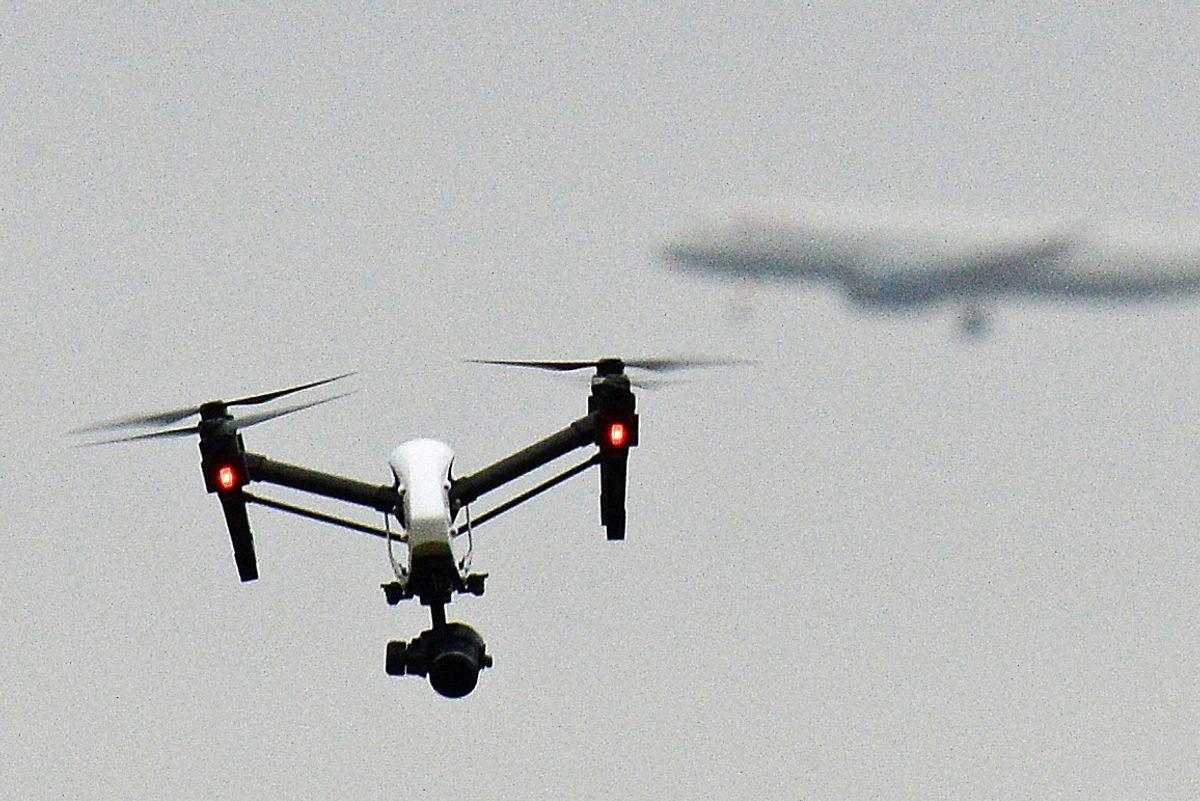
A Johannesburg-bound Virgin Atlantic Boeing 787 passed within a few metres of a drone after departing London Heathrow on 8 June 2026, a safety report shows. The aircraft was climbing over Surrey when crew members sighted the unmanned aircraft at an altitude far above legal limits.
What happened
According to the UK Airprox Board report, the jet was at about 1,676 metres when the First Officer saw the drone near Chobham, Surrey. The report says the drone passed down the right-hand side of the aircraft and was judged to be approximately 5m away, “slightly higher than the flightdeck windows but lower than the top of the tail.”
The Board recorded the drone as roughly 1m in diameter and of “light colour with some dark contrast.” A second commercial aircraft flying behind the Johannesburg-bound jet later spotted the same drone at around 1,524 metres.
Safety assessment and response
The Airprox Board classified the incident as Risk Category A, its highest rating, saying that a “definite risk of collision had existed.” The pilots reported the sighting to air traffic control, which then warned other aircraft in the area. Police were informed but the drone operator was not identified.
Virgin Atlantic told The Mirror:
“The safety and security of our customers and crew is always our priority, and the pilots immediately reported the incident to Air Traffic Control in line with our procedures.”
The report recorded that the flight was carrying 264 passengers.
How this compares with drone rules
The drone’s altitude was more than 13 times the UK statutory maximum for unmanned aircraft, which is 400 feet (about 120 metres). The Airprox Board investigates reports of aircraft coming dangerously close to other aircraft or objects.
The report also noted South African rules for context: the South African Civil Aviation Authority regulates UAVs under Part 101 and sets a recreational maximum altitude of 120m (400ft) above ground level unless otherwise approved. Additional South African requirements cited in the source include keeping UAVs at least 50m from people, buildings and roads; staying 10km clear of airports; operating only within line of sight; and not flying at night. The source also lists no-fly zones including restricted or military airspace, crowds and gatherings, and national parks.
Next steps
The Airprox Board’s classification and the police notification indicate an official safety review and investigation pathway. The drone operator remained unidentified in the published report.
Follow Joburg ETC on Facebook, Twitter, TikTok and Instagram
For more News in Johannesburg, visit joburgetc.com
Source: thesouthafrican.com