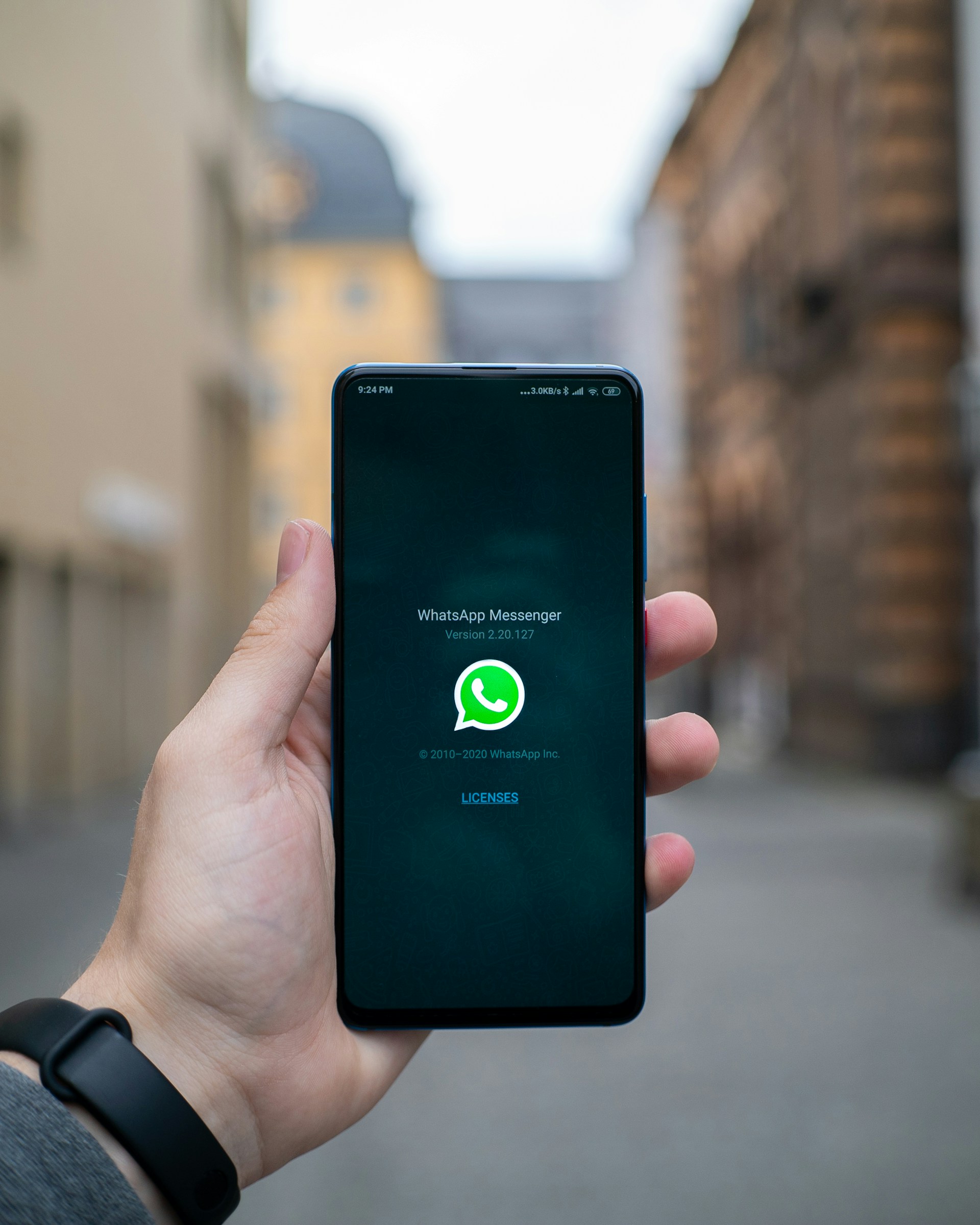
For years, WhatsApp has been the app that quietly powered everyday conversations without asking for much in return. No ads. No subscriptions. Just messages, calls and voice notes flowing across borders and data bundles.
Now, that might be starting to change.
Parent company Meta Platforms has begun testing a paid tier called WhatsApp Plus, introducing optional features that add a layer of customisation to the app millions rely on daily.
What The New WhatsApp Plus Offers
The trial version of WhatsApp Plus has surfaced in Android beta builds, giving a glimpse into what users could expect if the subscription rolls out more widely.
For a monthly fee, early testing suggests around $2.99 or roughly R49, users can unlock extras that lean more towards personalisation than functionality. These include premium stickers with visual effects, custom themes and icons, and expanded chat pinning.
While standard users can only pin a handful of chats, Plus subscribers may be able to pin up to 20, a feature that could appeal to people juggling work groups, family chats and side hustles all in one place.
There are also personalised ringtones for specific contacts and more control over how chats appear and notify you. It is a subtle shift, but one that aims to make WhatsApp feel a bit more tailored to individual users.
The Core Experience Stays Free
Importantly, the basics are not going anywhere.
Messaging, voice calls, video calls and end to end encryption will remain free. According to Meta, the subscription is designed as an add on rather than a replacement.
That distinction matters, especially in countries like South Africa where WhatsApp has become more than just a messaging app. It is a business tool, a community hub and often the main way people stay connected without eating through airtime.
Why This Move Matters For South Africans
In South Africa, WhatsApp is not just popular, it is essential. From stokvel groups to school updates and small business orders, the app has become deeply woven into daily life.
That is what makes this test particularly interesting.
A paid layer, even an optional one, signals a shift in how Meta could start monetising a platform that has largely stayed free since its early days. It also raises questions about how local users will respond.
Will people pay for themes and stickers when data costs are still a concern for many? Or will this remain a niche upgrade for users who want a more personalised experience?
A Broader Strategy From Meta
The introduction of WhatsApp Plus is not happening in isolation. Meta has already begun experimenting with subscription models across its other platforms, including Instagram, with similar tests in select markets.
It is part of a wider push to diversify revenue beyond advertising, especially as user expectations and platform competition continue to evolve.
For now, WhatsApp Plus remains in a limited testing phase, with no confirmed timeline for a South African launch.
A Small Change That Could Signal Something Bigger
At first glance, the features might seem minor. Stickers, themes and extra pinned chats are not exactly groundbreaking.
But the bigger story sits beneath that surface.
This is one of the clearest signs yet that WhatsApp could slowly evolve from a purely free service into a hybrid model, where premium features sit alongside the familiar experience.
For millions of South Africans who open the app multiple times a day, that shift, however subtle, is worth watching.