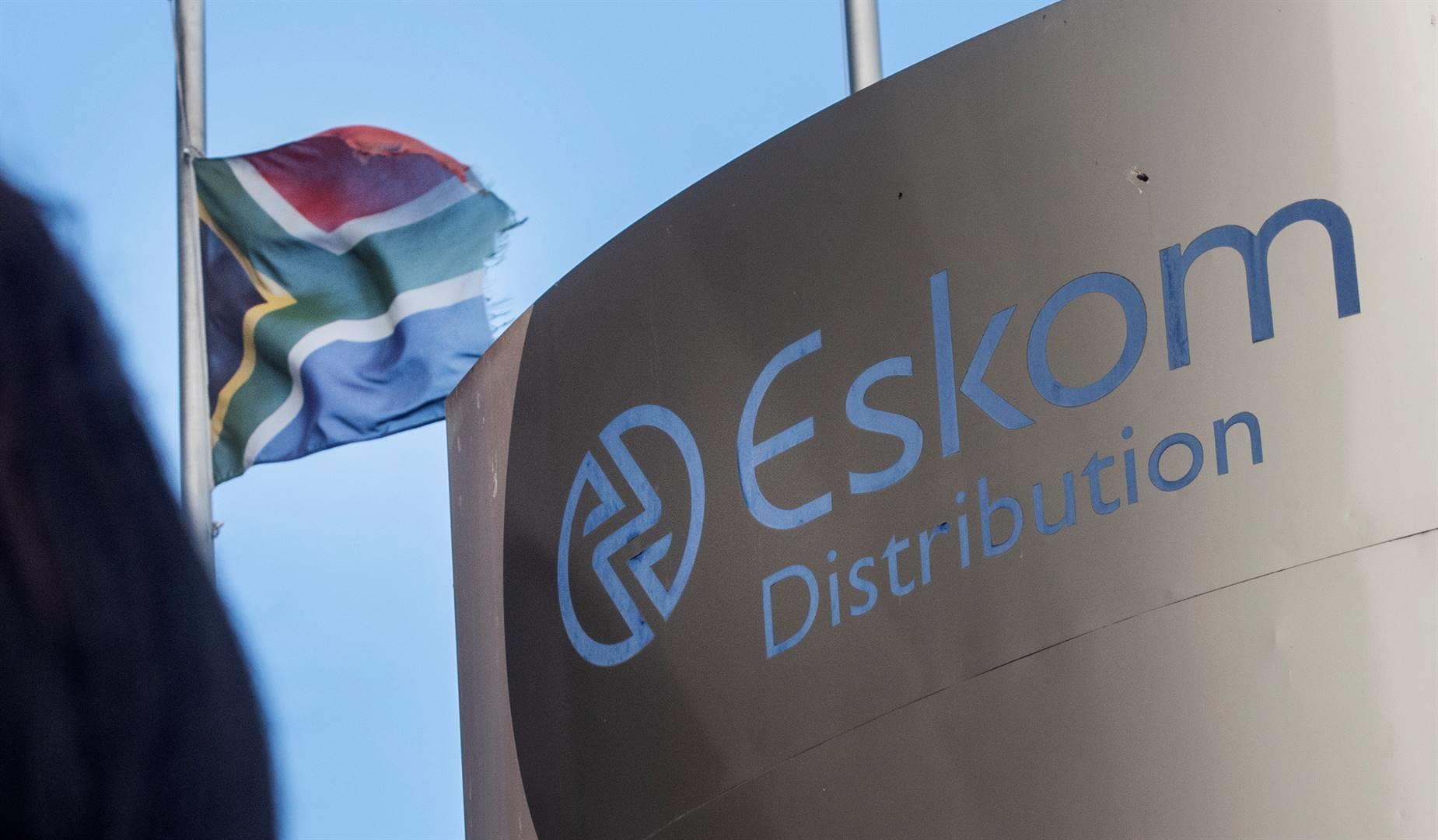
South Africans have grown used to hearing about problems at Eskom. But this latest development pulls back the curtain on just how deep the cracks may run.
The Special Investigating Unit has stepped in with a decisive move, freezing millions in assets linked to alleged corruption tied to the country’s struggling power stations. And at the centre of it all is a network of deals that appear to have turned essential infrastructure into a cash pipeline.
Millions Locked Down In Asset Freeze
The SIU has secured a preservation order from the Special Tribunal, targeting 17 properties and seven luxury vehicles valued at around R76.5 million. These assets have been linked to businessman Siyabonga Moses Goodwill Nkosi and a network of trusts connected to him.
The order, granted by Judge BM Ngoepe, effectively puts a lock on these assets. They cannot be sold, transferred, or hidden while investigations continue. For many South Africans, this is the kind of action they have long been calling for as frustration over corruption continues to simmer.
How Power Station Deals Turned Into Profit
At the heart of the investigation are procurement irregularities at Eskom’s Kusile and Matla power stations between 2021 and 2023. These are not just any facilities. Kusile, in particular, has been central to South Africa’s hopes of stabilising electricity supply, while Matla remains a key contributor to the grid.
According to the SIU, officials allegedly approved inflated purchase orders for relays, critical components used to keep power stations running. But the investigation suggests the system was manipulated.
Purchase orders were reportedly split into smaller amounts to stay below the R1 million threshold. This allowed officials to bypass stricter procurement rules and rely on less formal processes.
Even more concerning, the SIU found that false part numbers may have been used on Eskom’s systems. This meant only certain suppliers could bid, effectively shutting out competition and driving up costs for equipment that was sometimes not even needed.
Following The Money Trail
The SIU alleges that funds from these questionable contracts were funnelled through several trusts linked to Nkosi. These include the Nkosi Royal Trust, Sibongukukhanya Trust, and Siyabonga Kankosi Trust.
From there, the money is believed to have been used to acquire properties and luxury vehicles. This pattern is one South Africans have seen before, particularly during the years of state capture, where public funds were often diverted into private wealth.
What Happens Next
The preservation order is just the beginning. The SIU is now working to have the contracts linked to these deals reviewed and potentially set aside by the Special Tribunal.
If evidence of criminal conduct is confirmed, the matter will be handed over to the National Prosecuting Authority. Civil action may also follow, with the aim of recovering money lost by the state, including payments made for services that were never delivered.
A Familiar Story With High Stakes
This case lands at a time when South Africa is still grappling with the long-term impact of corruption at state-owned entities. Eskom’s challenges have directly affected daily life, from load shedding to rising costs for households and businesses.
What makes this case significant is not just the value of the assets frozen, but what it represents. Every irregular contract and inflated purchase order chips away at the system meant to keep the lights on.
For many, the hope is that this marks a shift from exposure to accountability. Whether that hope is realised will depend on what comes next in the courts and beyond.