News
Wits sociology head steps down after backlash over ‘offensive’ tweet
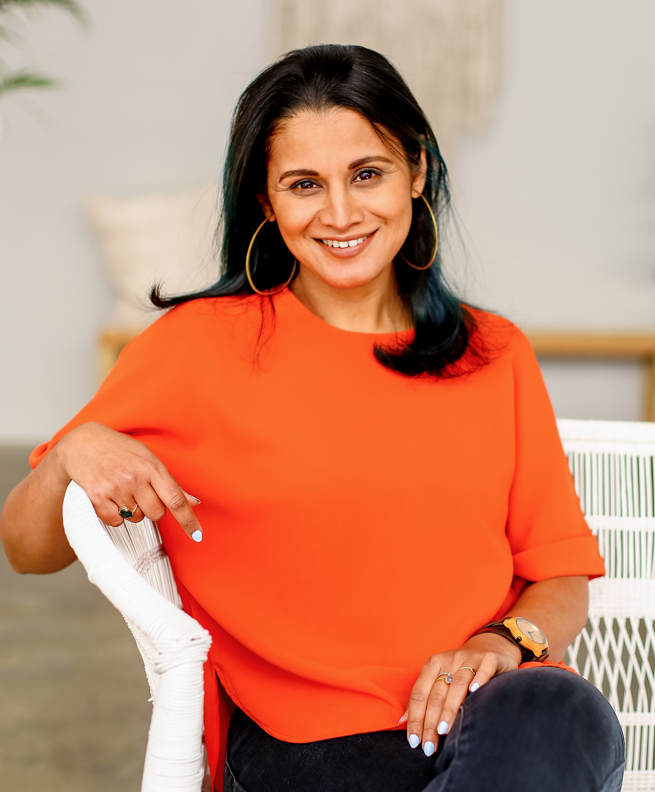
Wits sociology head steps down after backlash over ‘offensive’ tweet
What began as a social media spat has ended in a resignation at one of the country’s most prominent universities.
Professor Srila Roy has stepped down as head of the sociology department at the University of the Witwatersrand (Wits) after a tweet describing South Africans as having “little ambition” and a “poor work ethic” triggered widespread anger.
While she has resigned from her leadership position, the university’s internal investigation into the matter is still ongoing.
A tweet that struck a nerve
The controversy erupted on 19 February, when Roy posted a message on X criticising South Africans in response to discussions about foreign nationals in local universities.
Her remarks came amid debate following concerns raised by Parliament’s Portfolio Committee on Higher Education about the presence of 7.7% foreign nationals in South African universities. Another social media user had defended international staff, saying they contribute significantly to research and global rankings, a sentiment Roy supported.
But her response went further, accusing South Africans of complacency and poor ambition, while suggesting that foreigners endure xenophobia “in silence” as they educate successive generations.
In a country with a painful history of racial stereotyping and ongoing tensions around immigration, the comment landed heavily. Within hours, social media platforms were flooded with criticism. Many users described the tweet as racist and divisive. Others said it reinforced harmful generalisations about Black South Africans.
🚨Statement by the Wits SRC on the Public Remarks and Subsequent Apology by Proffessor Srilla Roy.
-26 February 2026🚨Statement by the Wits SRC on the Public Remarks and Subsequent Apology by Proffessor Srilla Roy.
-26 February 2026 pic.twitter.com/8wWazS0B3j
Wits SRC (@Wits_SRC) February 26, 2026
Department condemns remarks
By Thursday, Wits’ sociology department confirmed Roy had voluntarily stepped down as head of department.
In a strongly worded statement, the department condemned the tweet as “offensive, racist and indefensible.” It acknowledged the “visceral pain” the message caused, particularly among Black South Africans.
The statement also rejected what it described as a damaging narrative that creates division between South Africans and “foreigners”, warning that such framing deepens polarisation in an already fractured society.
The department reaffirmed its commitment to building what it called a public African university that rejects racism, xenophobia, sexism and all forms of discrimination.
Apology and explanation
Earlier in the week, Roy issued a public apology on X.
She admitted the tweet was written in haste and said it was intended as pushback against what she described as xenophobic attitudes directed at international academics.
“Given the painful history of racist stereotyping in South Africa, this tweet was simply wrong,” she wrote. “I take full responsibility for the pain it has caused.”
She acknowledged acting with poor judgment.
But for many, the apology did little to calm the storm.
Students push back
The Wits Student Representative Council (SRC) weighed in, stating that Roy’s record of supervising and mentoring students could not be used as proof that she did not hold prejudicial views.
“Professional interaction with students cannot, in itself, serve as proof of the absence of bias,” the SRC said.
Their intervention reflects a broader generational sensitivity on campuses, where debates around race, identity and belonging are often deeply felt. South African universities have, over the past decade, been central to national conversations about transformation, decolonisation and institutional culture.
For many students, this was not just about one tweet, it was about power, representation and who gets to define narratives about South Africans.
Investigation still underway
Although Roy has stepped down as head of department, she has not resigned from the university.
Wits confirmed that the matter is being handled in line with institutional procedures and that a formal investigation remains underway.
University communications head Shirona Patel reportedly emphasised that posting in a personal capacity does not exempt staff from the university’s anti-discrimination policies.
That distinction, between private opinion and professional accountability, is increasingly under scrutiny in the digital age, particularly in academia where intellectual freedom and public responsibility intersect.
A deeper fault line
The episode has reopened uncomfortable questions about xenophobia, nationalism and academic labour in South Africa.
Foreign academics play visible roles in research output and global rankings, yet conversations about employment and transformation often surface anxieties about opportunity and belonging. The 7.7% statistic cited in Parliament may appear modest, but in a country battling high unemployment and inequality, perceptions can carry emotional weight.
At the same time, sweeping generalisations about South Africans, particularly in a society still healing from institutional racism, strike at deeply rooted sensitivities.
What is clear is that words matter. Especially from leaders.
Roy’s resignation from her leadership post may close one chapter, but the broader debate about identity, accountability and academic freedom at South African universities is far from over.
{Source: The Citizen}
Follow Joburg ETC on Facebook, Twitter , TikTok and Instagram
For more News in Johannesburg, visit joburgetc.com