News
South African groups back Ramaphosa as Israel responds in ICJ genocide case
South African groups back Ramaphosa as Israel responds in ICJ genocide case
Ramaphosa’s announcement sparks public support
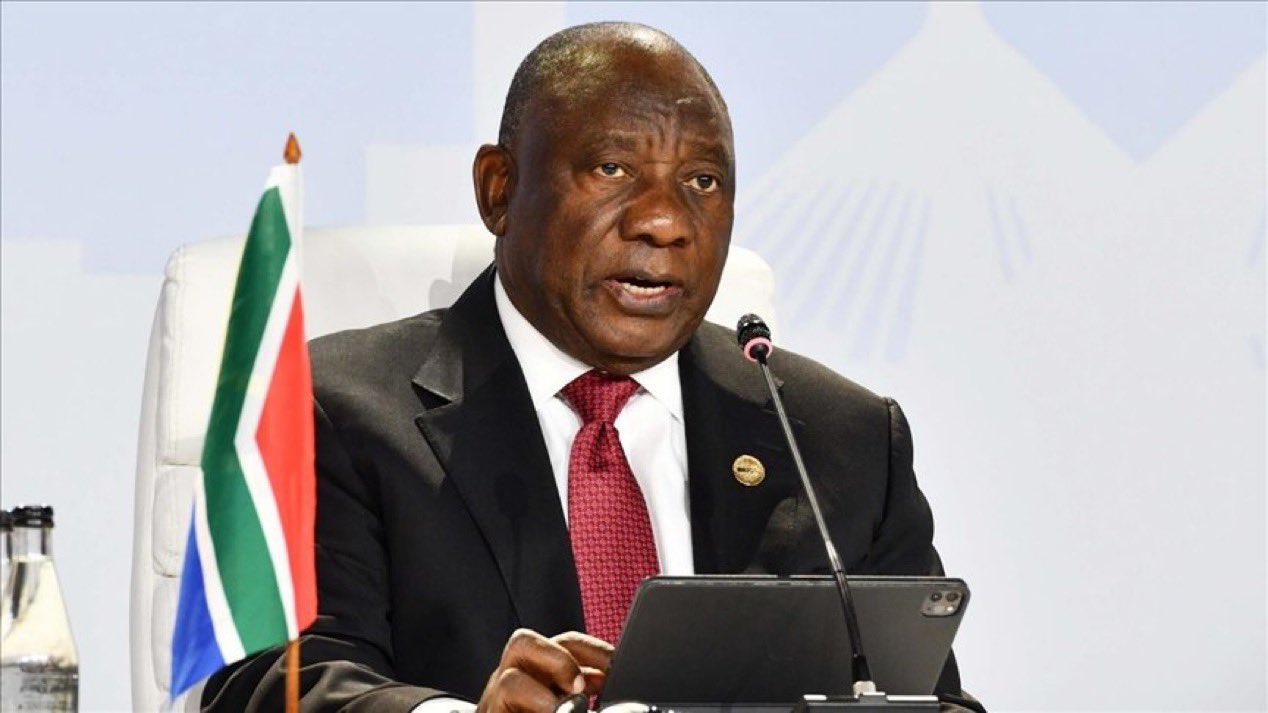
South African organisations have rallied behind President Cyril Ramaphosa following his Sunday night announcement that Israel has filed its response to South Africa’s genocide case at the International Court of Justice (ICJ).
The case, brought by South Africa in 2023, accuses Israel of committing genocide in Gaza amid escalating conflict and widespread destruction. Israel’s response arrived more than a year after Pretoria submitted its detailed arguments. The ICJ had initially set a 28 July 2025 deadline for Israel to respond, but extensions were granted after Israeli requests.
“The situation in Gaza remains dire,” Ramaphosa said. “The ongoing bombardment continues to destroy lives, homes, and infrastructure. At a time of global division, it is an opportunity for humanity to reaffirm shared values.”
Pro-Palestine groups call for further action
South African Jews for a Free Palestine (SAJFP) welcomed Ramaphosa’s statement, urging expedited and effective measures to end the alleged genocide.
“While we support the ICJ case, South Africa remains Israel’s top coal supplier through private companies,” the SAJFP said. “Coal partially fuels Israel’s military operations. We call for an immediate energy embargo, cessation of all trade, and a full severing of diplomatic relations with Israel.”
The Palestinian Solidarity Alliance (PSA) echoed this sentiment, praising South Africa’s legal approach as a principled effort to protect civilians.
“Bringing this case reinforces the rule of law and South Africa’s constitutional commitment to human rights,” the PSA said. They also pointed to growing international support, highlighting that the Netherlands and Iceland joined South Africa’s proceedings.
The PSA called for investigations into South Africans serving in the Israeli military or materially supporting Israel’s military and settlement activities, stressing that accountability must follow where credible allegations of war crimes exist.
Voices opposing South Africa’s position
The South African Zionist Federation expressed concern over the government’s approach. Spokesperson Rolene Marks said the United States’ intervention in support of Israel represented a legal and diplomatic rebuttal to South Africa’s genocide allegations.
“The ICJ proceedings risk politicising law and undermining Israel’s right to defend itself against Hamas,” Marks said. She criticised DIRCO for portraying South Africa’s position as representing all citizens, noting that many South Africans reject the genocide claims.
Marks further warned that South Africa’s credibility in foreign policy historically grounded in constitutional values and human rights could be undermined by taking a highly politicised stance.
Balancing diplomacy and principle
The ICJ case has ignited debate across South African civil society. Pro-Palestine groups emphasise accountability and alignment of trade policies with ethical principles, while pro-Israel groups caution against what they see as legal overreach and politicisation.
As the ICJ process moves forward, South Africa faces a complex balancing act: maintaining its international legal obligations, supporting human rights, and navigating the diplomatic sensitivities of a highly polarised Middle East conflict.