Cape Town’s Formula One dream picks up speed after decades on the sidelines
A comeback Africa has been waiting for
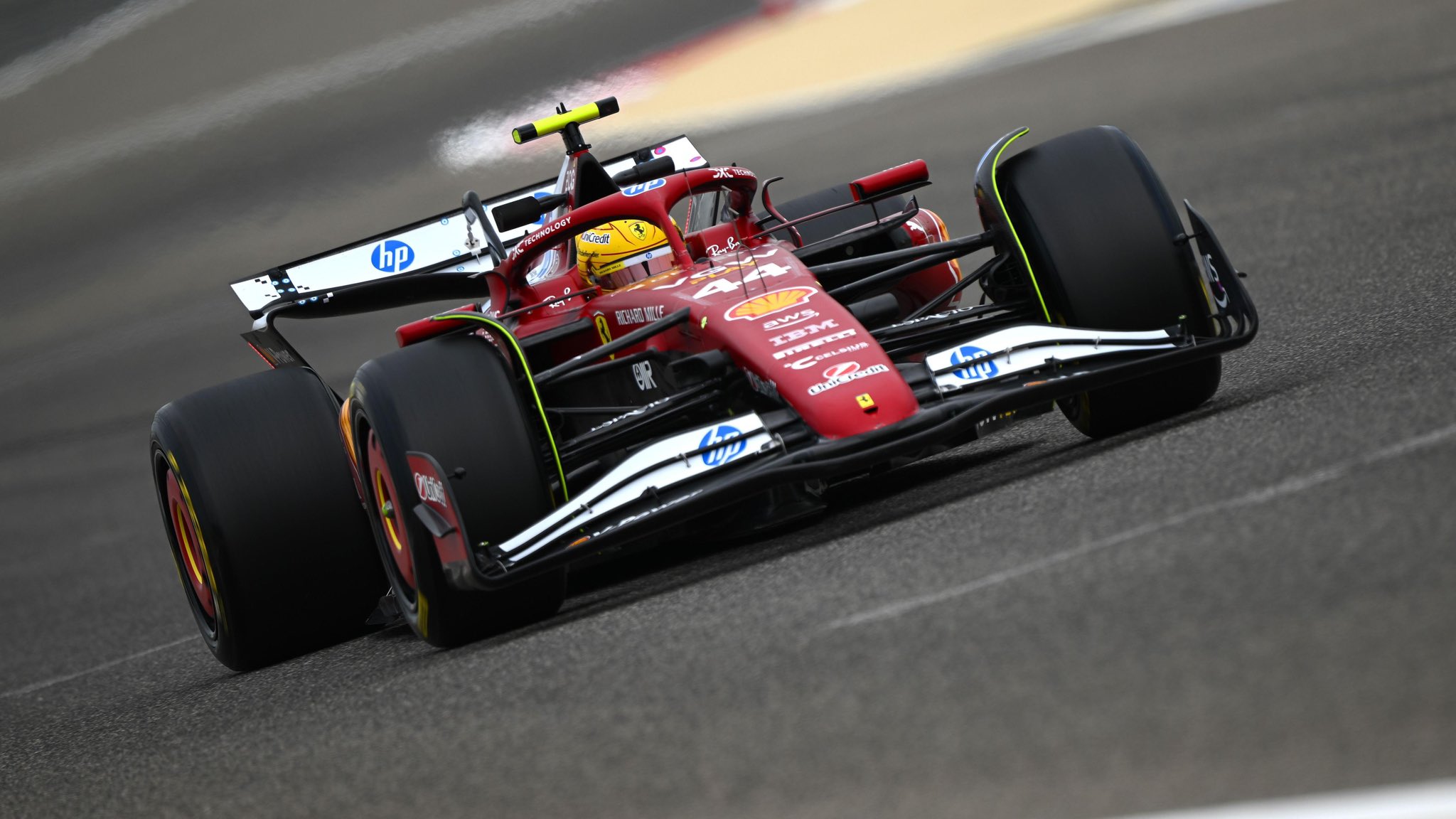
Every Formula One season begins with the same electric energy, engines roaring, lights flashing, and millions tuning in from across the globe. This year kicked off in Albert Park Circuit, but for many South Africans, the excitement comes with a familiar question: when will we be back on the calendar?
It’s been over 30 years since Africa last hosted a race, the iconic 1993 Grand Prix at Kyalami Grand Prix Circuit. Since then, the continent has watched from the sidelines as Formula One expanded into new markets.
Now, Cape Town is quietly but steadily trying to change that.
From a prison island to a global racing vision
The idea didn’t start in a boardroom. It started with a view.
Back in the late ’90s, Igshaan Amlay was working on Robben Island when he noticed the glow of headlights tracing the Atlantic coastline at night.
That image sparked something bigger a vision of a Formula One street circuit weaving through Cape Town’s urban landscape.
Fast forward more than two decades, and that same idea has grown into a full proposal backed by a dedicated team, including strategist Esther Henderson and collaborator Bjorn Buyst.
What started as a thought experiment is now a serious bid.
Why a street circuit could change the game
Unlike traditional racetracks, Cape Town’s proposal leans into the city itself.
The planned circuit would run through the Green Point area, wrapping around Cape Town Stadium with Table Mountain and the Atlantic Ocean as a dramatic backdrop.
Think less “race track in the middle of nowhere” and more Monaco-style spectacle where the city becomes part of the experience.
With a proposed length of 5.2km, high-speed straights, and multiple overtaking zones, the circuit is being designed to meet international standards set by the Fédération Internationale de l’Automobile.
And in a clever twist, organisers want to use existing infrastructure including turning parts of the stadium into pit and paddock areas, reducing costs and aligning with sustainability goals.
More than just a race weekend
For the team behind the bid, this isn’t only about bringing Formula One back for a few days of racing.
There’s a bigger vision at play:
-
A karting academy to nurture young drivers
-
A motorsport school focused on engineering and technical skills
-
Long-term job creation and tourism growth
It’s about building an ecosystem, one that could finally give young South Africans a pathway into a sport that has often felt out of reach.
And in a country where youth unemployment remains a pressing issue, that angle matters.
The price of the dream
Of course, Formula One doesn’t come cheap.
Hosting a Grand Prix can cost between $40 million and $60 million annually in licensing fees alone before factoring in logistics, security, and infrastructure.
That’s one of the biggest hurdles facing Cape Town’s bid.
Amlay and his team argue that the economic ripple effects from tourism to global exposure could outweigh the costs. But in a country dealing with service delivery challenges, the debate is inevitable: is it worth it?
Cape Town vs Kyalami: a battle of visions
Cape Town isn’t the only contender. There’s also a push to revive racing at Kyalami, a venue steeped in South African motorsport history.
It’s a classic showdown:
-
Kyalami offers heritage and an existing track
-
Cape Town offers spectacle, tourism appeal, and a global city backdrop
Government’s bid steering committee will ultimately decide which proposal delivers the most value for the country.
Public reaction: excitement mixed with caution
Online, the idea of a Cape Town Grand Prix has sparked plenty of buzz.
Some South Africans are thrilled at the prospect of seeing Formula One return to local soil especially in a city as visually iconic as Cape Town.
Others are more cautious, questioning whether the money could be better spent elsewhere, particularly given ongoing infrastructure and service delivery challenges.
It’s a familiar South African conversation: ambition versus reality.
Racing toward the late 2020s
The timeline for the bid stretches into the future, with early activation events expected between 2026 and 2027, and a potential race window targeted for the late 2020s.
In other words, even if everything goes right, this is a long game.
A dream that refuses to fade
What makes this story different is its persistence.
For over 20 years, the vision of a Cape Town Grand Prix has refused to disappear carried forward by people who believe South Africa deserves a place back on the Formula One map.
And maybe that’s the real story here.
Not just about fast cars or global attention, but about a country still pushing to prove it can host world-class events and inspire the next generation while doing it.
If it happens, it won’t just be a race.
It’ll be a statement.