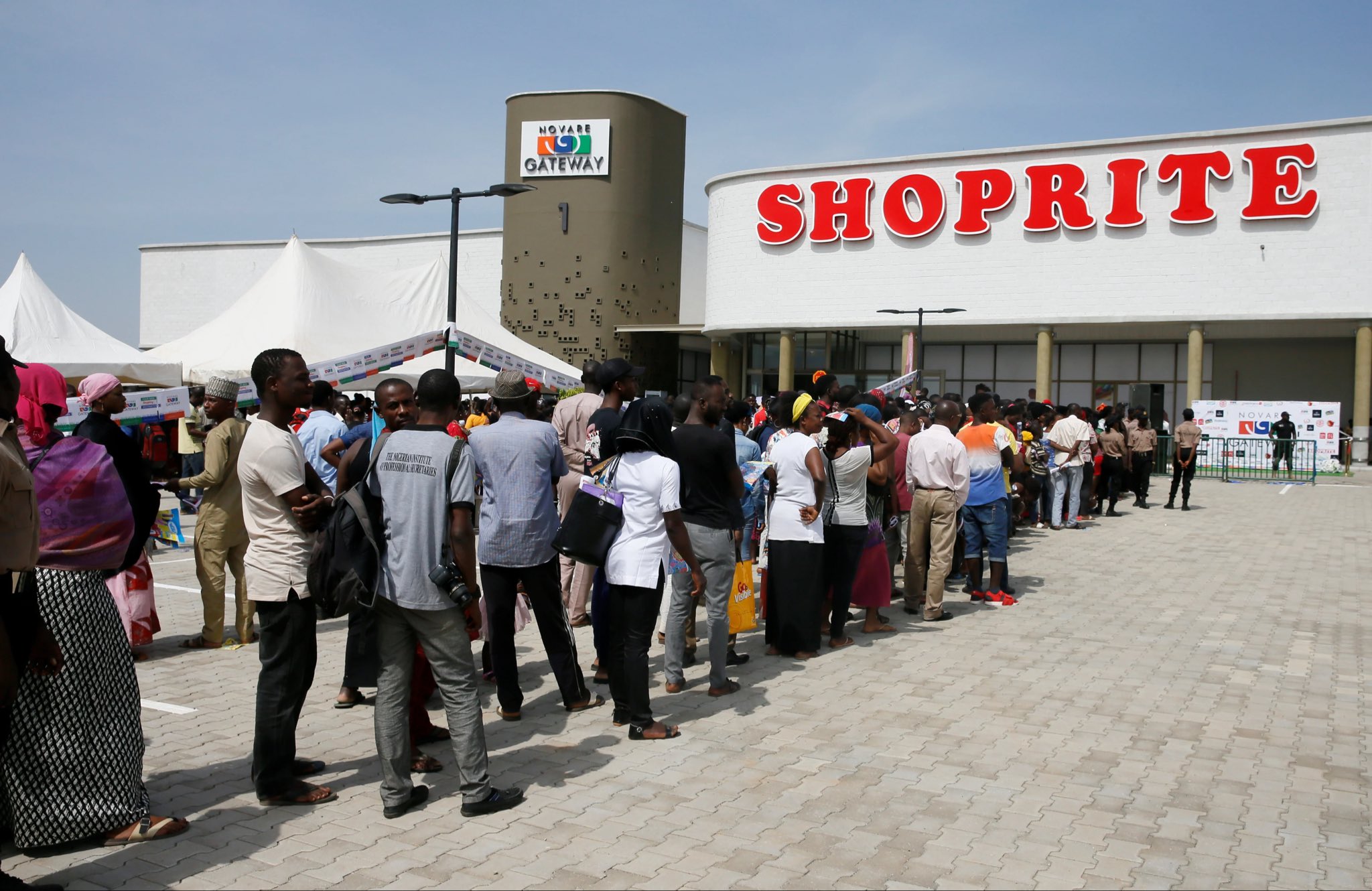
For decades, South Africa’s township economy has operated in parallel to the formal retail sectorvibrant, resilient, and largely ignored by corporate giants. Spaza shops, street vendors, and informal merchants have served their communities without the backing of big business, building trust through daily interaction rather than marketing campaigns. That era is ending. On Monday, South Africa’s largest retailer made a decisive move that signals a fundamental shift in how corporate players view the country’s most dynamic economic space.
Shoprite’s announcement that it plans to acquire a majority stake in R&A Cellular isn’t just another corporate transaction. It’s a strategic pivot toward the R900 billion informal economy that has long been described as “untapped” but rarely genuinely targeted. This deal, subject to regulatory approval, represents a recognition that the future of South African retail lies not in building more shopping malls, but in integrating with the existing fabric of township commerce.
The R&A Cellular Connection: More Than Just Airtime
At first glance, R&A Cellular might seem an unlikely target for South Africa’s retail behemoth. The company operates a point-of-sale platform that allows informal retailers to sell prepaid airtime, electricity, gaming vouchers, and entertainment products. It also enables card-based payments in environments where cash has traditionally reigned supreme. But look closer, and the strategic logic becomes clear.
R&A Cellular has already done the hard work. It has built relationships with thousands of spaza shop owners. Its platform is already embedded in the daily transactions of township life. It has a management team that understands this market intimately. What it lacks is the scale, financial services infrastructure, and balance sheet of a corporate giant. Shoprite brings exactly that.
Jean Olivier, general manager for financial services at Shoprite, put it simply: “R&A Cellular has built a sound business with a strong management team and a platform that is well regarded in the market.” The combination, he said, creates an opportunity to broaden access to financial services in ways neither could achieve alone.
The Customer First Logic: Meeting People Where They Are
Shoprite’s framing of the deal reveals a sophisticated understanding of township consumer behaviour. The group said the acquisition is about meeting customers where they already “live, shop and transact.” This is not about replacing spaza shops with formal outlets. It’s about making formal financial services available through the informal channels that communities already trust.
For customers, the implications are significant. The integration of Shoprite’s financial services into the R&A Cellular ecosystem will allow people to complete more daily transactions closer to home. That means less time and money spent travelling to shopping centres or banking outlets. It means lower barriers to accessing essential services. It means the formal economy extending its reach into spaces where it has historically been absent.
The group’s statement captured this vision: “For customers, the integration of the Group’s financial and value-added services into the R&A Cellular ecosystem will make it possible to complete more daily transactions closer to home, reducing the cost, time and inconvenience of travelling to shopping centres or banking outlets.”
The Spaza Shop Transformation
For the informal retailers themselves, the deal offers a different set of opportunities. The platform provides access to a broader range of services that can increase customer visits and improve cash-flow management. It reduces reliance on cash, with all the security risks that entails. And it strengthens their role as essential service providers within their communities.
Shoprite’s statement emphasised this mutual benefit: “For informal retailers, the platform offers access to a broader, competitive range of services that can increase customer visits, improve cash-flow management and reduce reliance on cash, while strengthening their role as essential service providers within their communities.”
This is not a story of corporate extraction. It’s a story of integrationbringing the efficiency and scale of formal finance to the flexibility and community trust of informal retail.
The R900 Billion Reality
To understand why this matters, consider the numbers. A recent report by Standard Bank valued South Africa’s informal township economy at approximately R900 billion. This is not a marginal sector. It is one of the most significant economic spaces in the country, employing millions and providing goods and services to communities that formal retail has struggled to reach effectively.
Standard Bank described the informal economy as a “vital engine of economic activity and resilience.” Most businesses in this sector operate below the VAT threshold of R1 million in annual turnover, but a sizeable portion generates between R500,000 and R750,000 per year. This is profitable, sustainable commerce operating outside the formal regulatory framework.
The report also highlighted a complicated relationship with formal banking. Many informal business owners rely on personal accounts due to concerns about fees, limited access to credit, and negative past experiences with banks. However, Standard Bank noted that as businesses scale up, there is a noticeable shift toward digital bank transfers. The infrastructure for formal integration is already emerging organically.
The Competitive Landscape
Shoprite is not alone in recognising this opportunity. Competition among major players to capture a greater share of spending in townships and underserved areas has intensified significantly in recent years. Pick n Pay has expanded its Boxer brand specifically targeting this market. Spar has deep roots in community-based retail. Massmart’s various formats compete for the same customers.
But Shoprite’s move is different. Rather than building its own physical presence in every township corner, it’s partnering with the existing infrastructure. It’s not competing with spaza shops; it’s enabling them. This strategy recognises that the trust embedded in spaza shop relationships cannot be replicated by a corporate brand, no matter how well-intentioned.
The Broader Implications
This deal matters beyond Shoprite’s bottom line. It represents a recognition that South Africa’s economic future depends on integrating its formal and informal sectors. For too long, policymakers and business leaders have treated the informal economy as a problem to be solved or a space to be regulated into submission. Shoprite’s approach suggests a different path: partnership, enablement, and mutual benefit.
For the millions of South Africans who rely on spaza shops for daily necessities, this could mean better access to financial services, lower transaction costs, and a more seamless connection to the formal economy. For spaza shop owners, it could mean increased foot traffic, better cash flow management, and enhanced status as community service providers.
For Shoprite, it’s a strategic bet that the future of retail lies not in building more stores, but in building better ecosystems. At R900 billion, the informal economy is too large to ignore. Shoprite has just placed its chips on the table.
The Road Ahead
The deal remains subject to regulatory approval, which is not guaranteed. Competition authorities will scrutinise the implications of South Africa’s largest retailer extending its reach into the informal sector. Questions about market power, data ownership, and the long-term independence of spaza shops will need answers.
But if approved, this acquisition could mark a turning point. It could demonstrate that formal and informal economies are not separate spheres to be managed independently, but interconnected systems that function better together. It could show that corporate scale and community trust are not mutually exclusive, but mutually reinforcing.
Shoprite’s R900 billion bet is more than a corporate transaction. It’s a vision for a more inclusive economyone where the lines between formal and informal blur, where services reach those who need them, and where the township economy finally gets the recognition and investment it has always deserved.