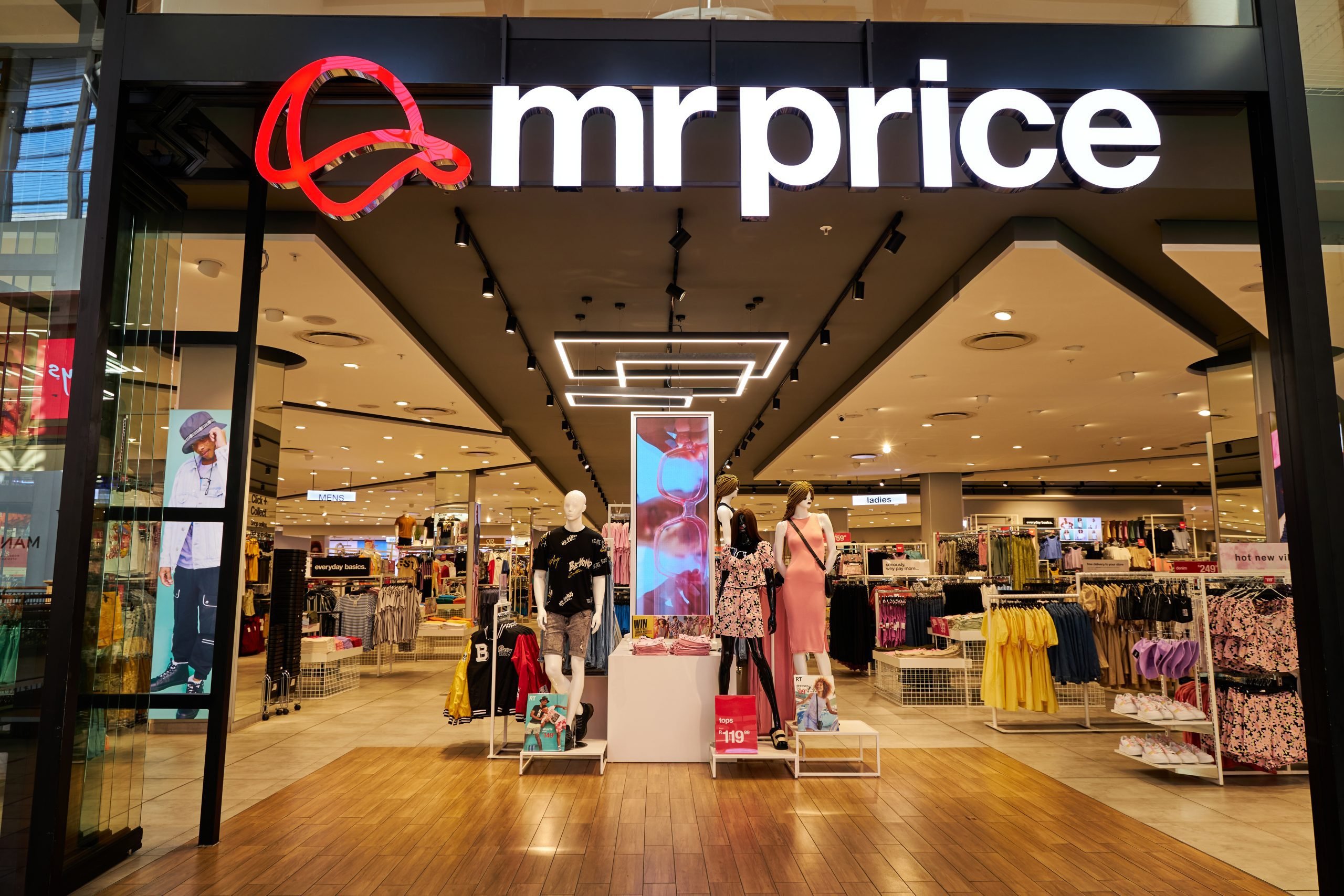
The conference room was filled with investors who had seen this movie before. A South African fashion retailer, flush with cash and ambition, decides to conquer new territory. A European acquisition is announced. The share price tumbles. And somewhere in the background, the ghost of Woolworths’ disastrous R21bn David Jones purchase lingers like a warning from retail hell.
Mr Price executives know the script. They also know they’re being cast in a role they never auditioned for. So when chair Nigel Payne and CEO Mark Blair sat down with investors recently, unshackled from regulatory constraints following approval of their R9.6bn acquisition of German retailer NKD, they came prepared with a different narrative. This time, they insisted, the ending will be different.
The Announcement That Shook the Market
When Mr Price announced in December its intention to buy NKD, a cash-based apparel and homeware retailer with a strong presence in Central and Eastern Europe, the market reaction was immediate and brutal. The share price plunged. Analysts questioned the logic. Investors worried that a retailer known for its disciplined, South African-focused strategy was straying into dangerous territory.
The concern was understandable. South Africa’s fashion retailers have a track record of expensive lessons when venturing offshore. The cautionary tale that haunts every boardroom is Woolworths’ 2014 acquisition of Australian department store David Jonesa largely debt-funded R21bn deal that ultimately resulted in a nearly R20bn loss when the business was sold in 2023. It stands as a monument to the perils of cross-border retail ambition.
But Payne and Blair argue that the hysteria is unwarranted. They believe they have identified something their critics have missed: a business that might turn out to be the group’s long-term earnings driver, not its undoing.
The Studio 88 Parallel: History as Defence
Blair reached for a previous acquisition to make his case. When Mr Price bought Studio 88 several years ago, he reminded investors, there were skeptics then too. Some questioned what a value-focused retailer knew about branded merchandise. Others viewed Studio 88 as an already mature business with limited growth potential.
“Studio 88 was viewed by some as being an already mature business,” Blair told investors. “Some said it is a branded business, and what does Mr Price know about brands? But the Studio 88 acquisition worked brilliantly for our group. Year after year they have performed with good culture and like-mindedness.”
The parallel, in Blair’s telling, is clear. The same skepticism that surrounded Studio 88 now surrounds NKD. And just as Studio 88 proved the doubters wrong, he believes NKD will do the same.
The Earnings Timeline: Patience Required
For investors focused on short-term returns, the NKD deal requires a longer view. Blair was explicit about the timeline: “As things stand now, we are expecting the transaction to be earnings accretion in year two.”
That means the acquisition will likely dilute earnings in its first yeara prospect that unsettles investors accustomed to Mr Price’s consistent performance. But Blair argues that acquiring a large company with scale brings advantages that smaller acquisitions cannot match.
“When you buy a large company with scale, you actually buy a certain level of expertise that you don’t get in small businesses,” he explained. “Some of the smaller businesses we have acquired, we had to change management teams over time. I am very confident this will not be the case in NKD.”
This confidence in NKD’s existing management is central to the deal’s logic. Mr Price is not buying a distressed asset requiring a turnaround. It’s buying a functioning business with proven leadership and operational expertise.
The Homework: Learning from Others’ Failures
Payne emphasized that the decision to pursue NKD was not impulsive. It was the result of extensive research, including careful study of both successful and failed international retail expansions.
“We did a lot of homework, learning from the success and failures of others,” Payne said. “One thing that I am proud of about the board and management is that we are disciplined in saying no. And there have been a lot of decisions to say no.”
That discipline, he suggested, is what sets Mr Price apart. The board has rejected numerous potential acquisitions over the years. They don’t chase deals; they wait for the right opportunity.
The Geographic Logic: Why Central and Eastern Europe
The decision to target Europe, and specifically Central and Eastern Europe, was not random. Payne described a systematic process of elimination that narrowed the group’s focus.
“About three years ago, we realised our South African acquisition runway was probably done and that we needed to start looking internationally,” he revealed. “We started looking for where to play. We looked at the whole world, and we narrowed the geographies down to two places where we thought there were great opportunities.”
The first priority, he confirmed, was Central and Eastern Europeprecisely where NKD operates. The region offers growing consumer markets, familiarity with value retail, and less saturation than Western European markets.
“We are very confident that we are doing the right deal,” Payne concluded.
The NKD Asset: What Mr Price Is Actually Buying
For those unfamiliar with NKD, the business warrants explanation. It’s a cash-based apparel and homeware retailer with hundreds of stores across Germany, Austria, Slovenia, Slovakia, and other Central European markets. Its customer base is value-conscious, its model is simple, and its operations are established.
Mr Price is not buying a turnaround project. It’s buying scale, footprint, and expertise in a region where South African retailers have rarely ventured. The bet is that Mr Price’s sourcing capabilities, operational discipline, and understanding of value retail can be successfully applied to a European context.
The Cultural Question: Can the Fit Work?
One of the most common questions from investors concerns cultural fit. Mr Price is deeply South African in its DNA. NKD is thoroughly European. Can two such different retail cultures successfully integrate?
Blair’s answer returns to the Studio 88 experience. That acquisition, he notes, brought together a value-focused corporate culture with a branded retail business. The combination worked because of “good culture and like-mindedness”a quality he believes exists with NKD as well.
The fact that NKD’s management team will remain in place addresses another concern. Mr Price is not imposing its leadership on an unwilling organisation. It’s acquiring a team that already knows how to succeed in its market.
The Market’s Verdict: Still Out
Despite the executives’ confidence, the market remains cautious. Mr Price’s share price has not recovered to pre-announcement levels. Analysts continue to debate the wisdom of the deal. The ghost of David Jones still haunts the conversation.
But Payne and Blair are playing a longer game. They are asking investors to look beyond immediate share price movements and consider the multi-year potential. They are asking for trusttrust that the discipline that built Mr Price in South Africa will translate to Europe, trust that the lessons learned from Studio 88 apply to NKD, and trust that this time, the ending will be different.
The transaction is set to come into effect at the end of this month. By then, the regulatory hurdles will be cleared, the money will change hands, and Mr Price will officially become a European retailer. The real workand the real proofwill only begin then.
The Bottom Line
Mr Price’s R9.6bn European gamble is either a visionary move that positions the group for decades of growth, or a costly distraction from its core strengths. The executives believe it’s the former. Investors remain skeptical. The coming years will reveal who was right.
For now, Payne and Blair have made their case. They’ve acknowledged the risks, addressed the concerns, and drawn on past successes to justify future ambitions. Whether the market ultimately agrees will depend on what happens nextin German stores, Austrian shopping streets, and the quarterly reports that will reveal whether this acquisition truly was earnings accretive by year two.
The David Jones disaster taught South African retailers that international expansion is fraught with peril. Mr Price is betting it has learned the right lessons. The retail world is watching.