News
EU Steps In As Ukraine Pipeline Dispute Threatens Oil Supply To Hungary And Slovakia
Europe’s energy tensions are once again bubbling to the surface, this time centred on a damaged oil pipeline running through war-torn Ukraine.
The European Union has stepped in to help repair the Druzhba pipeline, a key route that transports Russian oil to landlocked countries like Hungary and Slovakia. The move comes after weeks of growing frustration and political brinkmanship between Kyiv and its neighbours.
A Pipeline At The Centre Of A Political Standoff
At the heart of the dispute is the Druzhba pipeline, one of the longest oil pipelines in the world and a crucial supply line for Central Europe.
The infrastructure was damaged earlier this year during Russian strikes, according to Ukraine. But Hungary and Slovakia have accused Kyiv of dragging its feet on repairs, raising concerns about energy security as global oil markets remain volatile.
Hungarian Prime Minister Viktor Orban has taken a hardline stance, even using the issue as leverage in broader EU negotiations. He has blocked a massive €90 billion financial package for Ukraine, as well as new sanctions against Russia, linking his support directly to the pipeline being restored.
His message has been clear. Without oil flowing, there will be no agreement.
EU Steps In With Support And Pressure
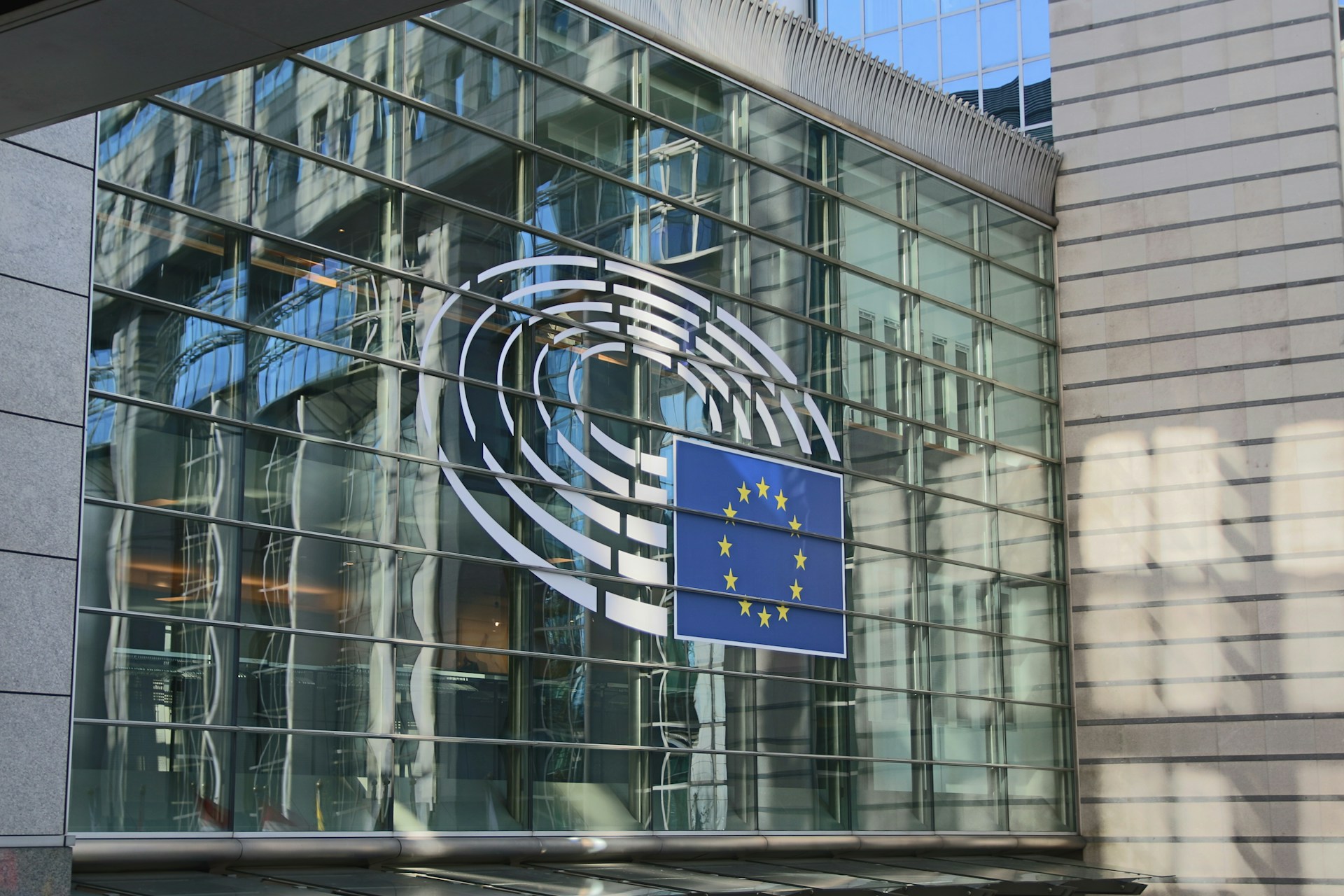
Faced with a growing stalemate, European Commission President Ursula von der Leyen confirmed that the EU is ready to step in with both funding and technical expertise.
European leaders have already reached out to Ukrainian President Volodymyr Zelensky, urging a quick resolution. The offer includes immediate deployment of experts to assist with repairs, signalling how urgently Brussels wants the issue resolved.
In a notable shift, Ukraine has now agreed to accept this support. Zelensky confirmed that his government would work with state energy company Naftogaz to fast-track the repair process.
This marks a turning point after Kyiv initially resisted external involvement, arguing that linking pipeline repairs to wartime financial aid amounted to political pressure.
Energy Politics Collide With War Realities
The situation highlights the complex balancing act facing Europe. On one hand, there is strong political backing for Ukraine in its ongoing war against Russia. On the other, several EU countries remain dependent on Russian oil, particularly those without direct access to seaports.
For Hungary and Slovakia, the Druzhba pipeline is not just infrastructure. It is a lifeline.
The timing has only intensified tensions. Hungary is heading into a closely contested election, and Orban has sharpened his rhetoric against Ukraine while calling for a rethink of sanctions on Russian energy.
At the same time, global oil supply pressures, partly influenced by conflict in the Middle East, have pushed countries to secure every available energy route.
Why This Matters Beyond Europe
While the dispute may seem distant, its ripple effects are global. When oil supply routes are disrupted, prices tend to follow, and that has direct consequences for countries like South Africa, where fuel costs are closely tied to international markets.
Any instability in major supply chains can translate into higher petrol prices locally, adding pressure on households already dealing with rising living costs.
What Happens Next
EU leaders are expected to discuss the issue further at an upcoming summit, where both the financial aid package and sanctions on Russia remain on the table.
Much now depends on how quickly repairs to the Druzhba pipeline can be completed and whether that will ease the political tension between Ukraine and its EU neighbours.
For now, the message from Brussels is clear. Fix the pipeline, stabilise supply, and keep the broader alliance intact.
{Source:EWN}
Follow Joburg ETC on Facebook, Twitter , TikTok and Instagram
For more News in Johannesburg, visit joburgetc.com