News
Gauteng road crackdown leads to arrests and over 2,000 fines in one week
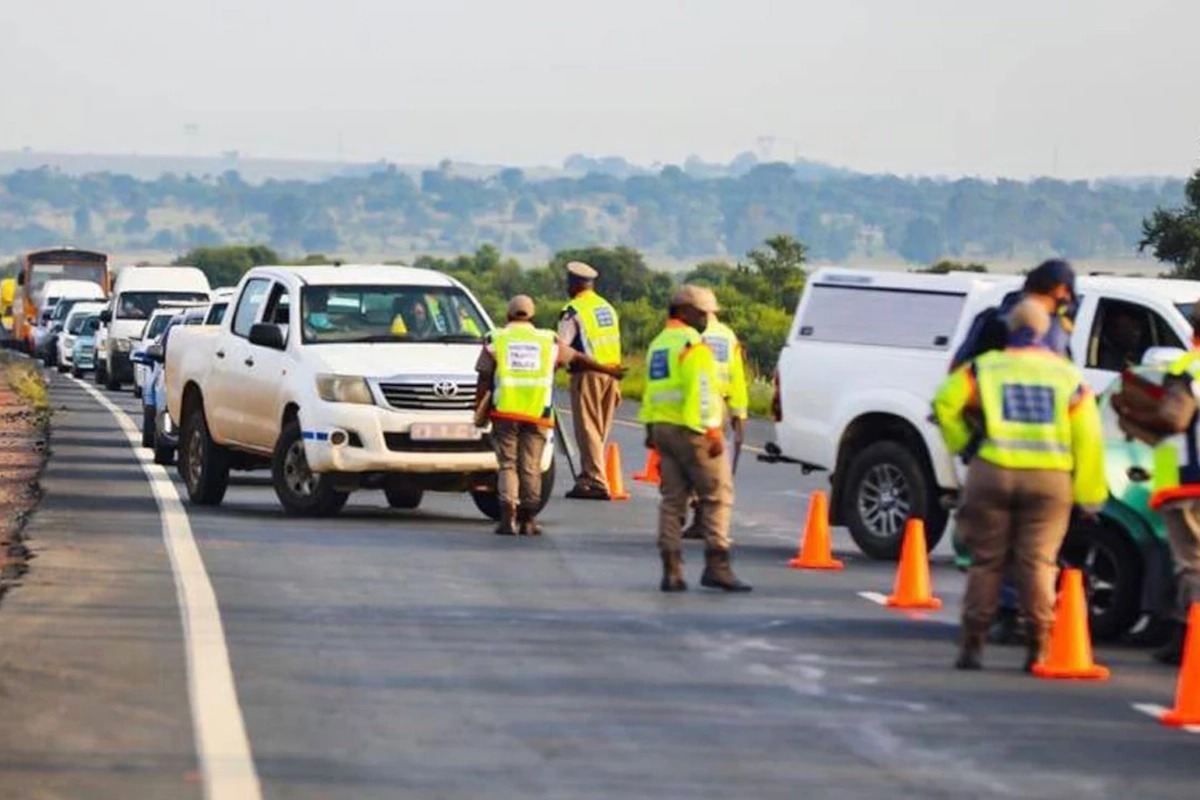
If you’ve been driving around Joburg or Tshwane lately, chances are you’ve noticed it. More blue lights, more roadblocks, more officers stopping vehicles without warning. It is not your imagination. Gauteng’s roads are under a serious spotlight right now.
Between 9 and 15 March 2026, traffic authorities carried out a coordinated crackdown across key routes in the province. The result was immediate and hard to ignore. Eleven motorists were arrested, and thousands more were fined as officials tightened their grip on unsafe and unlawful driving.
A week of intensified enforcement
The operations were led by the Gauteng Transport Inspectorate, working alongside the Road Traffic Management Corporation. Their focus was not random. Officers were deployed along major public transport corridors, the very routes where taxis, buses, and high traffic volumes often create risky conditions.
These are the roads many Joburg commuters rely on daily. They are also where violations tend to spike, from reckless overtaking to overloaded vehicles and drivers cutting corners to stay on schedule.
Authorities say this targeted approach is about being present where it matters most, rather than spreading resources too thin.
Arrests highlight serious offences
The numbers tell a bigger story than just routine traffic stops. Of the eleven motorists arrested, seven were caught driving under the influence. That alone has sparked renewed concern about drinking and driving, a problem that continues to haunt South African roads despite years of awareness campaigns.
Two others were arrested for fraud-related offences, while one motorist was taken in for attempting to bribe an officer. Another was arrested for defeating the ends of justice.
It paints a picture of roads that are not just about speeding fines or expired licences, but a wider web of criminal behaviour that authorities are trying to disrupt.
Thousands of fines issued in parallel
While arrests made headlines, enforcement did not stop there. More than 1,000 manual infringement notices were issued, mainly targeting non-compliant public transport operators.
On top of that, 1,053 electronic fines were processed using the Inspectorate’s e-Force devices. This digital system allows officers to log offences instantly, making it easier to track repeat offenders and build stronger cases over time.
For everyday drivers, it means fewer chances of slipping through the cracks.
A visible shift on Gauteng roads
For many residents, the increased enforcement has become a talking point. On local social media feeds, reactions have been mixed. Some are welcoming the stricter approach, saying it is long overdue in a province where reckless driving often feels unchecked. Others argue that enforcement should be consistent year-round, not just during high-profile operations.
Still, there is a growing sense that authorities are trying to reset the tone on Gauteng’s roads.
The bigger picture behind the crackdown
According to Gauteng’s transport leadership, these operations are not a once-off. They form part of an ongoing campaign to reduce lawlessness, improve compliance, and ultimately make roads safer for everyone.
There is also a clear message behind the numbers. Dangerous behaviour, whether it is drunk driving, fraud, or attempting to bribe officers, will not be overlooked.
For Joburg drivers navigating busy mornings on the N1 or inching through taxi-heavy routes in the CBD, the message is simple. The rules are being enforced more strictly, and the consequences are catching up fast.
Follow Joburg ETC on Facebook, Twitter, TikT
For more News in Johannesburg, visit joburgetc.com
Source: The Citizen
Featured Image: Business Tech