News
“We want water”: Frustration boils over as shortages grip communities
“We want water”: Frustration boils over as shortages grip communities
From leafy suburbs to dry taps
On a street in Greenside, the sound isn’t traffic or birdsong, it’s plastic bottles being banged in protest.
Residents, young and old, gathered with placards, chanting in unison: “We want water!”
It’s a scene that feels almost surreal in northern Johannesburg, an area better known for its tree-lined streets and comfortable homes. But lately, taps have run dry, in some cases, for weeks.
For people like Colin Regesky, the frustration has crossed into fear. No water doesn’t just mean inconvenience; it means hygiene risks, illness, and a sense that something fundamental has broken.
And then there’s the deeper anger: access to water isn’t a luxury in South Africa, it’s a constitutional right.
When shortages become the norm
The crisis isn’t isolated.
In Hammanskraal, more than 100km north of Johannesburg, dry taps are nothing new. For over a decade, residents have faced unreliable access to clean water, often relying on tankers just to get through the day.
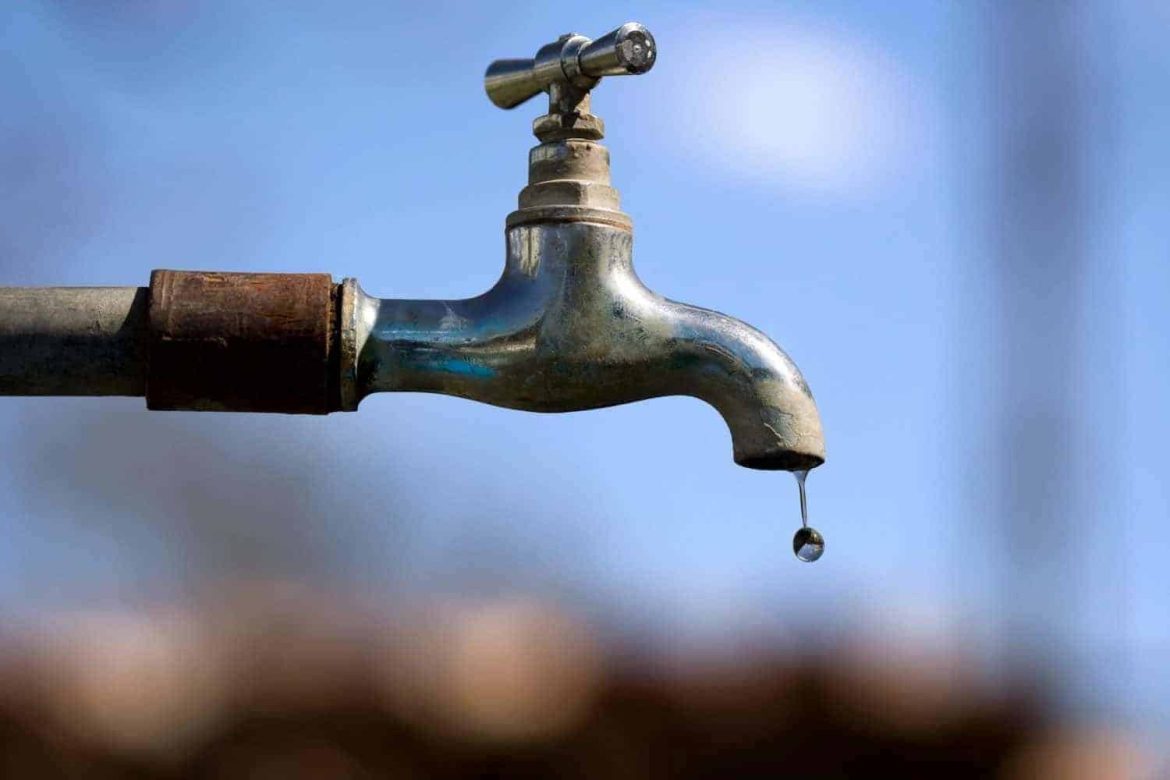
Pastor Tshepo Mahlaule gestures to a tap that hasn’t worked in weeks. Around him, daily life has become a logistical struggle washing clothes, bathing children, even preparing meals now require careful planning and physical effort.
For some, it means walking kilometres with wheelbarrows just to collect water.
A crisis that feels worse than load shedding
Many South Africans are drawing comparisons to the years of rolling blackouts that defined daily life not long ago.
Between 2022 and early 2024, load shedding disrupted homes and businesses for hours at a time. But for many, this water crisis cuts deeper.
Electricity can be worked around generators, inverters, candles. Water, on the other hand, has no substitute.
It’s immediate. It’s essential. And without it, everything stops.
The rise of the so-called “water mafia”
As shortages deepen, so do troubling claims that criminal networks are stepping in to exploit the situation.
According to activists and community voices, some tanker operators hired to supply water are allegedly turning the crisis into a business opportunity.
WaterCAN executive director Dr Ferrial Adam explains that these groups often secure municipal tenders, then have little incentive to see the problem resolved.
In some cases, infrastructure is allegedly sabotaged to keep the demand for tankers alive. In others, residents report being charged for water that is supposed to be free.
For 62-year-old Eric Sebotsane in Hammanskraal, the reality is blunt: if you don’t have money, you might not get water.
Fear and silence in affected communities
What makes the situation more complex is the climate of fear.
Residents in heavily affected areas are often reluctant to speak out. The concern? If they complain too loudly, tanker services might simply stop coming to their street.
It creates a quiet dependency one where access to water feels conditional.
Government response under pressure
President Cyril Ramaphosa has acknowledged the severity of the crisis, calling for action against criminal elements linked to water supply and announcing plans for a National Water Crisis Committee.
He has also warned that municipal officials who fail in their duties could face criminal consequences under the law.
Some political leaders have suggested municipalities should take control of tanker operations themselves to reduce outside interference. But experts argue that this is, at best, a temporary fix.
The real issue: ageing infrastructure
Behind the protests and allegations lies a more familiar problem infrastructure.
Much of South Africa’s water system is ageing, underfunded, and poorly maintained. Years of underinvestment have left pipes leaking, treatment plants struggling, and supply systems fragile.
Climate pressures, including floods in provinces like KwaZulu-Natal and the Eastern Cape, have only made things worse.
Water tankers, once meant to be emergency measures, are now becoming permanent fixtures in many communities.
A breaking point for residents
Back in Greenside, the protest winds down, but the frustration lingers.
For long-time residents like Jenny Gillies, who has lived in nearby Melville for four decades, the situation feels like a turning point.
There’s a sense that people are no longer willing to quietly adapt not when something as basic as water is at stake.
Across social media, the sentiment is similar: disbelief, anger, and a growing demand for accountability.
What comes next?
Solving South Africa’s water crisis won’t be quick or simple. It requires investment, oversight, and long-term planning not just emergency responses.
But for the people living through it, the timeline feels urgent.
Because when the taps run dry, it’s not just about infrastructure, it’s about dignity, health, and the daily reality of millions still waiting for something as basic as water to flow.
{Source: BBC}
Follow Joburg ETC on Facebook, Twitter , TikTok and Instagram
For more News in Johannesburg, visit joburgetc.com