Brace for impact: Treasury signals little relief as fuel prices surge
A warning many drivers didn’t want to hear
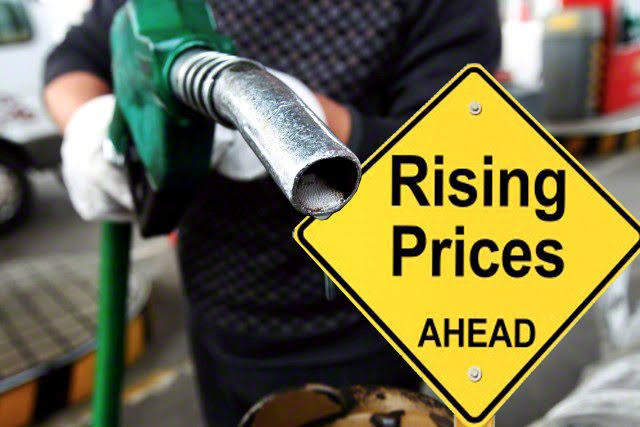
If you’ve been dreading your next trip to the petrol station, you’re not alone and it might get worse before it gets better.
South Africa’s finance officials have delivered a blunt message: when it comes to the next fuel price spike, there’s very little government can do to soften the blow.
At a recent industry event in Johannesburg, Treasury’s top official made it clear, the country simply doesn’t have the financial cushion to step in meaningfully this time.
What’s pushing prices up?
The surge in fuel costs isn’t coming from local issues alone.
Global oil prices have shot up by more than 40%, climbing past $100 a barrel after tensions escalated in the Middle East following military action involving the United States, Israel and Iran.
The ripple effect is already being felt worldwide and in South Africa, where fuel prices are heavily influenced by international markets and the rand-dollar exchange rate, it hits especially hard.
Treasury’s reality check
Duncan Pieterse didn’t sugar-coat the situation.
According to him, offering meaningful relief, like reducing fuel taxes, would cost the government tens of millions of rand. And right now, those funds simply aren’t available.
In practical terms, that means motorists should prepare for either no relief at all or only minimal, short-term assistance.
A look back: when relief was possible
This isn’t the first time South Africans have faced a fuel price shock.
In 2022, during the global fallout from the Russia-Ukraine conflict, government stepped in by cutting the general fuel levy by R1.50 per litre, a move that brought temporary relief at the pumps.
But the economic landscape has shifted since then.
Public finances are tighter, and the same kind of intervention would now have to fit within an already stretched budget.
Why the fuel levy matters
The fuel levy is one of government’s major revenue streams, bringing in around R97 billion in the current financial year.
Cutting it might help consumers in the short term, but it also creates a hole in the budget that needs to be filled elsewhere.
That trade-off is at the heart of Treasury’s dilemma: ease the pressure on households now, or protect long-term fiscal stability.
The knock-on effect on daily life
For ordinary South Africans, rising fuel prices don’t just affect what you pay at the pump.
They push up the cost of transport, food, and goods, everything from taxi fares to grocery bills.
In a country already dealing with high living costs, it’s a domino effect many can’t afford.
Social mood: frustration and resignation
Online, the reaction has been immediate and emotional.
Some users have expressed frustration, saying government should do more to shield citizens from global shocks. Others, more resigned, say they’ve come to expect these price hikes as part of everyday life in South Africa.
There’s also a growing awareness that global events far beyond the country’s borders are increasingly shaping local realities.
What relief could look like
If any support is introduced, Treasury has hinted it would likely follow the same model as before:
In other words, don’t expect a long-term fix just a short-term buffer, if anything at all.
The bigger picture
This moment highlights a tough truth: South Africa’s economy is deeply connected to global markets, but its ability to respond is constrained.
When oil prices spike internationally, the impact lands locally and often hardest on those already struggling.
What now?
For motorists, businesses, and households, the message is simple: prepare.
Whether it’s budgeting differently, cutting back on travel, or bracing for higher costs across the board, the coming weeks may require some adjustment.
Because for now, as Treasury has made clear, there’s no easy relief on the horizon.